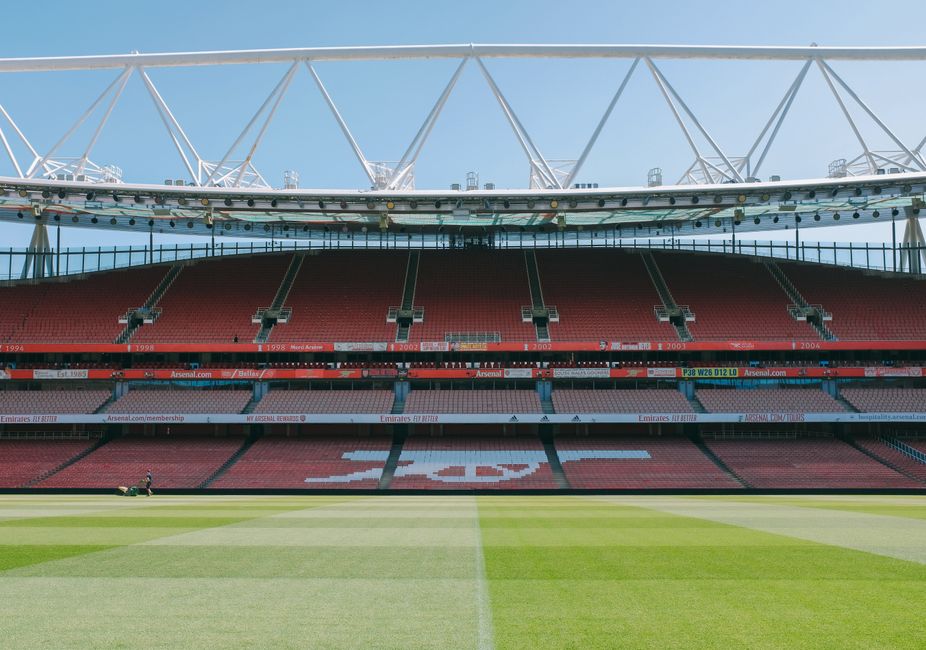
Walk past Hackney Marshes on any Saturday morning and you'll witness a sporting renaissance. Football pitches stretch across the wetlands like a patchwork quilt, with over 80 amateur teams now registered to play there—a 35% increase since 2023. This surge reflects a broader trend across London's recreational sports landscape, where local clubs are experiencing unprecedented growth and becoming unexpected epicentres of community life.
The figures tell a compelling story. According to Sport England's latest participation data, amateur league membership in London has grown by 28% over the past three years, with particular strength in neighbourhood-based clubs. From Clapham Common's thriving volleyball leagues to the cycling clubs launching from shops along Bethnal Green Road, grassroots sports are no longer simply about competition—they're about connection.
Dulwich Harriers Running Club, based near the village's leafy streets, now boasts over 1,200 members, up from 600 in 2021. Weekly meets attract runners of all abilities, transforming Sunday mornings into social occasions. Similarly, badminton clubs in Woolwich and table tennis groups in Islington report waiting lists for membership. The appetite is there, and the benefits extend far beyond fitness metrics.
"Recreational clubs fill a genuine gap," explains one long-standing volunteer coordinator in south London. "They're affordable—most amateur league memberships cost £40-80 per season—and they welcome everyone." This accessibility matters. In areas like Peckham and Walworth, where disposable income can be limited, community sports clubs offer structured activity without the premium price tag of commercial gyms.
The social dividend is equally significant. Southwark Council has documented how residents in amateur sports clubs report higher wellbeing scores and stronger neighbourhood connections. Tennis clubs across Wandsworth, cricket clubs in Ealing, and rowing clubs along the Thames have all observed members developing friendships that extend beyond match days, transforming isolated individuals into connected community members.
Infrastructure investment has helped fuel this growth. The renovation of facilities at Maryon Wilson Park in Charlton and recent upgrades to courts in Streatham have reduced barriers to participation. Meanwhile, digital platforms connecting amateur players have made it easier to find teams and fixtures.
As London navigates post-pandemic social fragmentation, these humble neighbourhood clubs deserve recognition. They're where fitness meets friendship, where strangers become teammates, and where ordinary streets become stages for extraordinary community building. In an age of digital connection and urban isolation, amateur sports clubs remind us that sometimes the most profound belonging happens on a pitch, court, or track closest to home.
This article was compiled by AI from the sources linked above and screened before publishing. See our editorial standards.