As the 2026-27 season looms, London's three Premier League heavyweights are preparing for what could be their most significant European campaigns in a generation. Arsenal, Tottenham Hotspur and Chelsea have all secured Champions League football, setting the stage for a summer of strategic investment and tactical refinement across the capital's football landscape.
The competition for European silverware carries particular weight this year, with Uefa's reformed Champions League format promising more matches and higher stakes for participating clubs. For supporters in Islington, North London and Chelsea, the prospect of consistent European midweek fixtures means packed transport schedules and packed pubs from Highbury Corner to the King's Road.
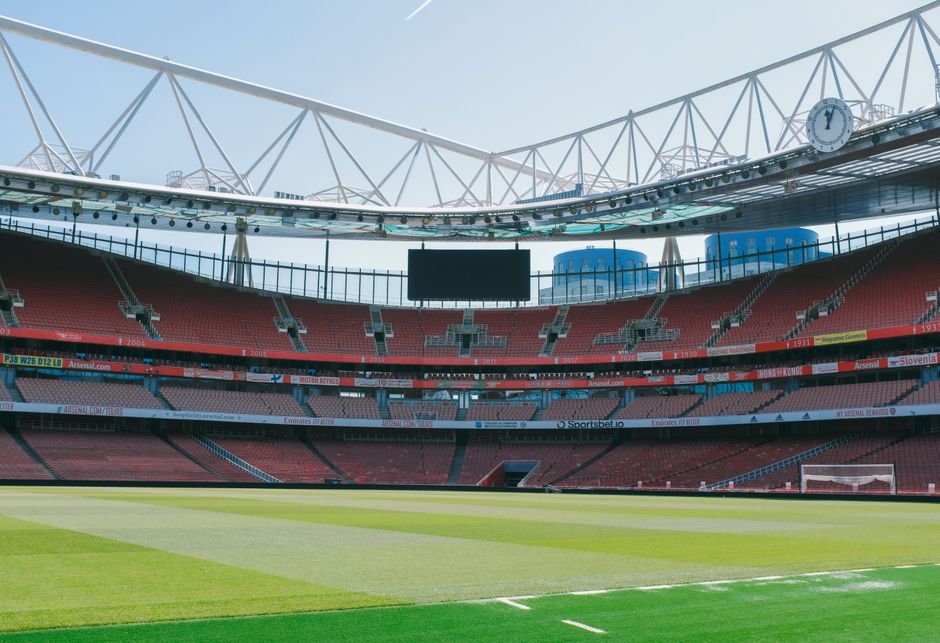
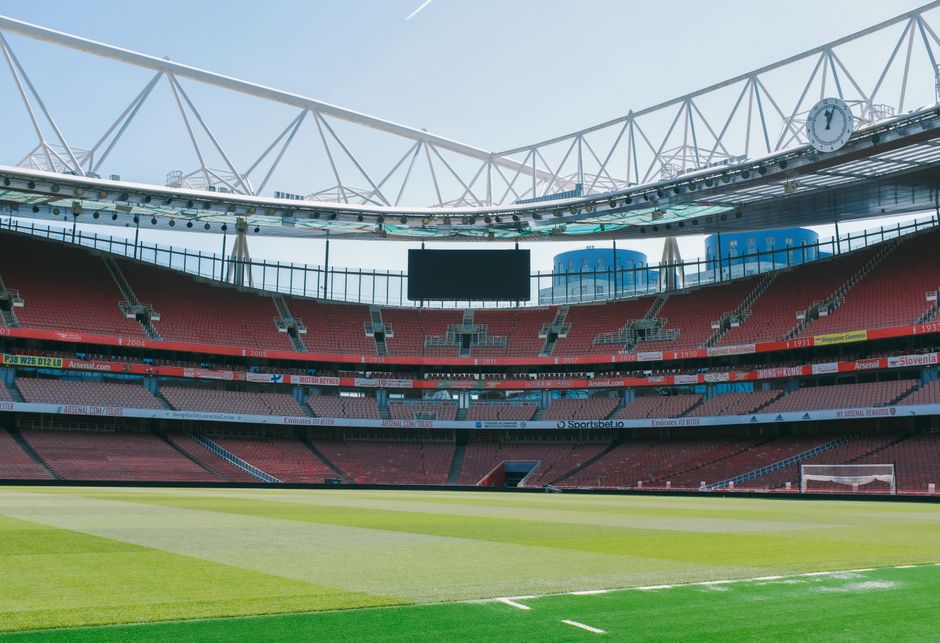
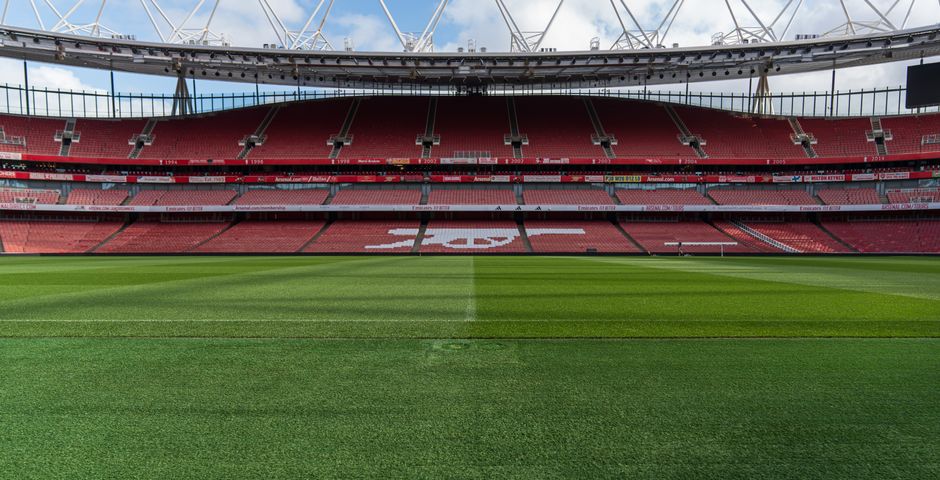
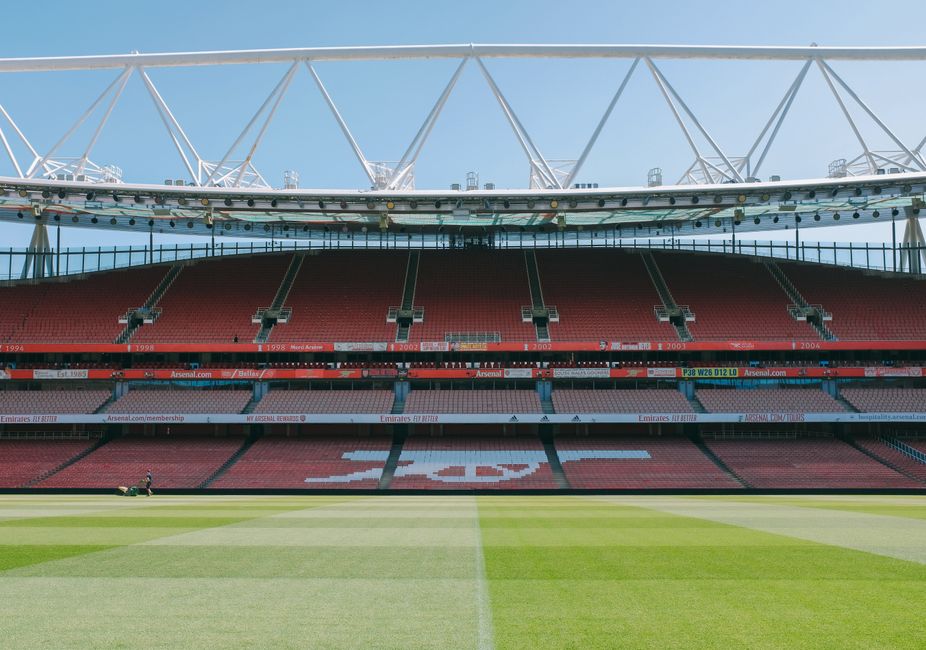
Arsenal's push for European credentials represents perhaps the most compelling narrative. Having invested heavily in their squad depth over recent transfer windows, the Gunners are targeting sustained runs across both domestic and continental competitions. The Emirates Stadium, with its 60,000 capacity, will host a series of European nights that could generate significant revenue for the club's continued development.
Tottenham, meanwhile, have restructured their playing squad with European competition squarely in mind. Spurs fans across Tottenham, Walthamstow and surrounding areas will be hoping for the kind of sustained campaign that eluded the club in recent seasons. The Tottenham Hotspur Stadium's modern facilities position them well for hosting high-profile continental encounters.
Chelsea's European ambitions are equally ambitious, with the club's investment strategy focused on delivering Champions League success. The Blues' infrastructure around Stamford Bridge continues to evolve, with supporters from Fulham to Westminster anticipating another intense season of football.
Ticket prices for European fixtures typically range from £40 for upper tiers to £150 for premium seating, with demand expected to exceed supply across all three clubs. Transport across London's network—from the Victoria Line serving both Arsenal and Tottenham, to the District Line serving Chelsea—will face considerable pressure on match days.
The broader economic impact on local hospitality cannot be understated. Restaurants and bars throughout Islington, Tottenham and Chelsea have reported strong bookings expectations for European match weeks, with many implementing dynamic pricing for European nights.
As the summer transfer window opens, all three clubs will be acutely aware that European success requires squad depth and strategic acquisition. The next few months will determine whether London's big three can genuinely compete at continental level, or whether their ambitions exceed their grasp.
This article was compiled by AI from the sources linked above and screened before publishing. See our editorial standards.