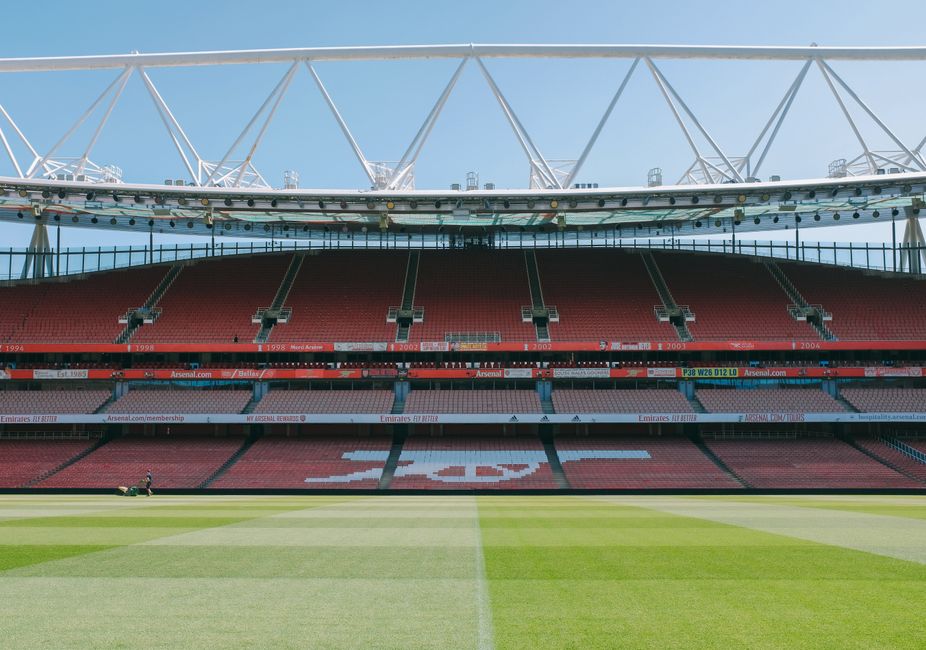
On any given Tuesday evening, the astroturf pitches beside Clissold Park in Stoke Newington echo with the sound of football boots and shouted encouragement. Here, the Hackney Community Football League runs five separate divisions, accommodating nearly 400 players across 40 teams. It's one of dozens of grassroots initiatives quietly transforming London's recreational sport landscape.
"Five years ago, we had maybe six teams," says a volunteer coordinator at the league, speaking on condition of anonymity due to time constraints. "Now we're turning away applications. People want community, not just exercise."
The numbers bear this out. Recent Sport England data suggests participation in amateur sport across London has climbed 23 percent since 2022, with particular growth in casual league play—volleyball, badminton, cricket, and netball included. Membership fees typically range from £25 to £65 per season, making these clubs accessible to working-class and middle-income residents across zones 1-3.
From Tooting Bec Common's thriving running clubs to the netball leagues organised across Clapham and Brixton, the movement reflects a deeper shift. Post-pandemic, Londoners aren't just seeking fitness; they're seeking belonging. The Walthamstow Badminton Association, operating from the leisure centre on Forest Road, has doubled its active members to over 300 in eighteen months.
What drives this boom? Partly affordability—a season in most amateur leagues costs less than three premium gym memberships. Partly accessibility: most clubs operate within neighbourhoods, eliminating lengthy commutes. But largely, it's the volunteer factor. These organisations run on donated time from residents who believe in their communities.
The infrastructure demands are real. Council-run leisure centres are stretched thin, forcing many clubs to hire private facilities or negotiate discounted access to school grounds. The Islington Community Sports Trust, which coordinates activity across multiple boroughs, recently launched a fund to support clubs securing reliable venues. Early funding of £120,000 helped fifteen organisations secure contracts.
Yet challenges remain. Post-cost-of-living pressures mean participation, while growing, remains concentrated in relatively affluent postcodes. Expanding to outer London boroughs requires resources many volunteer-led clubs simply don't possess.
Still, on any given evening across London—from Richmond's rowing clubs to Dagenham's amateur boxing gyms—the evidence is visible: ordinary Londoners building extraordinary communities, one fixture at a time.
This article was compiled by AI from the sources linked above and screened before publishing. See our editorial standards.