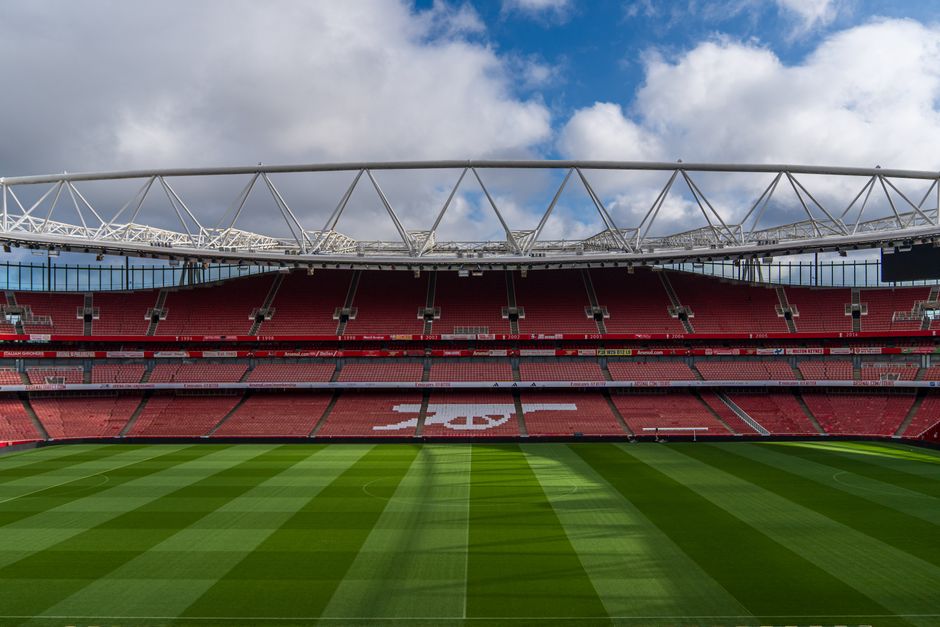
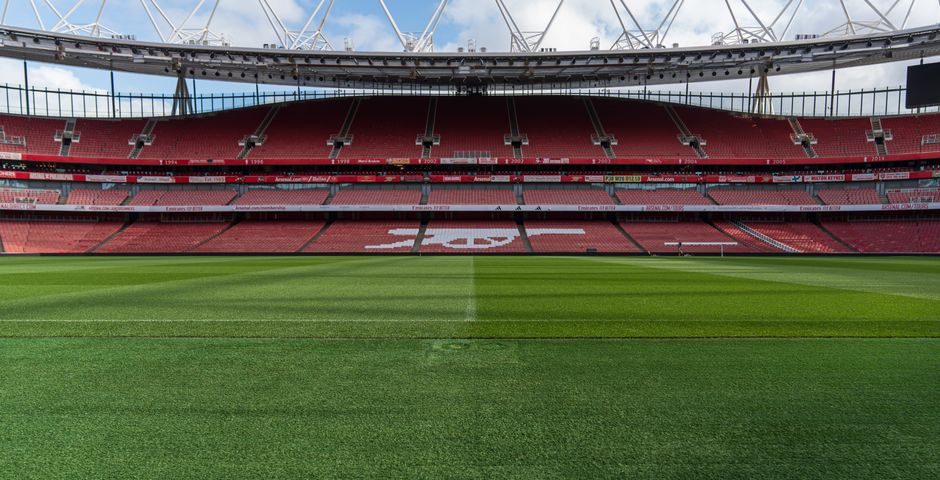
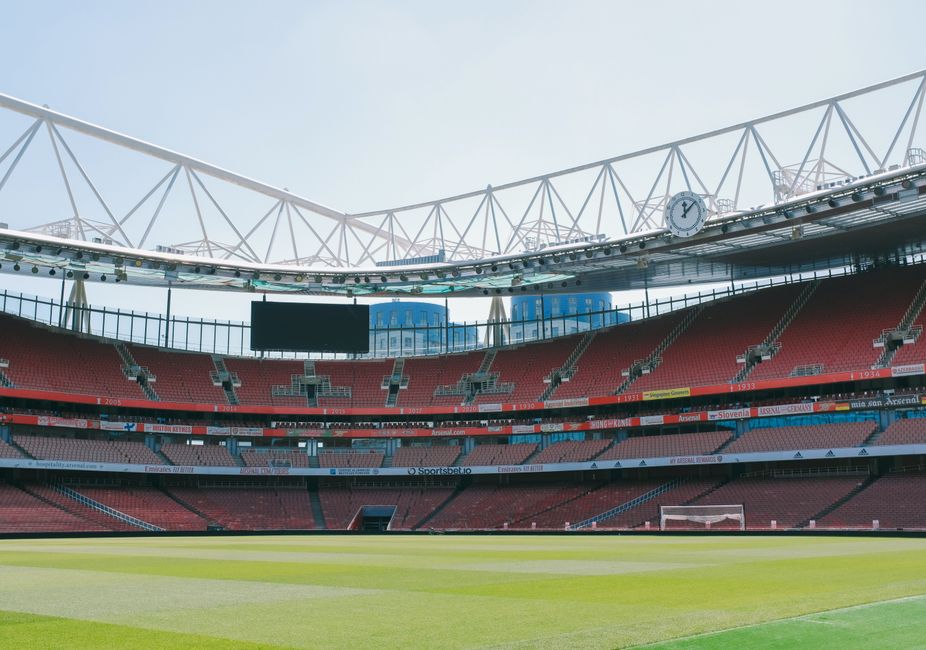
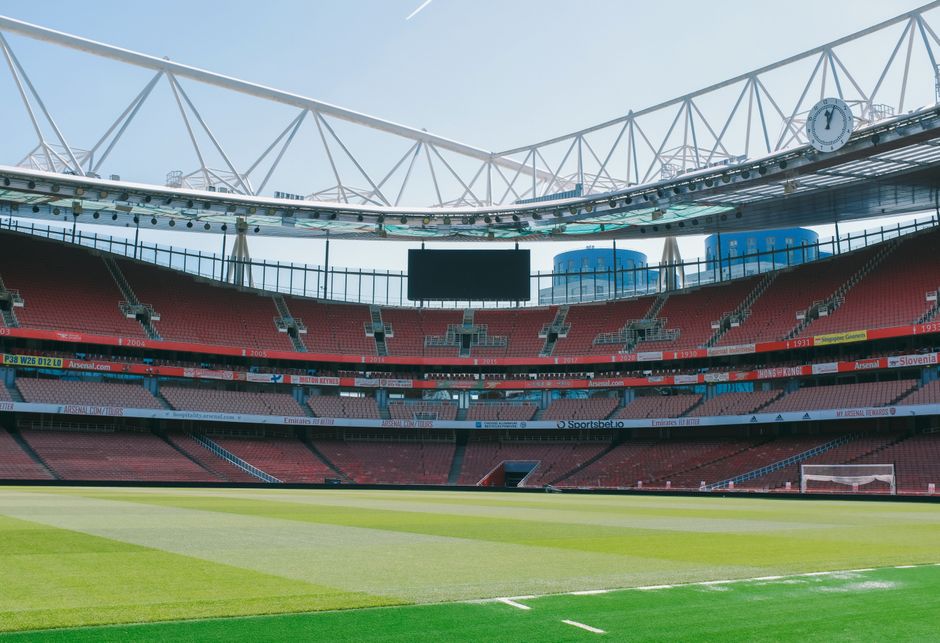
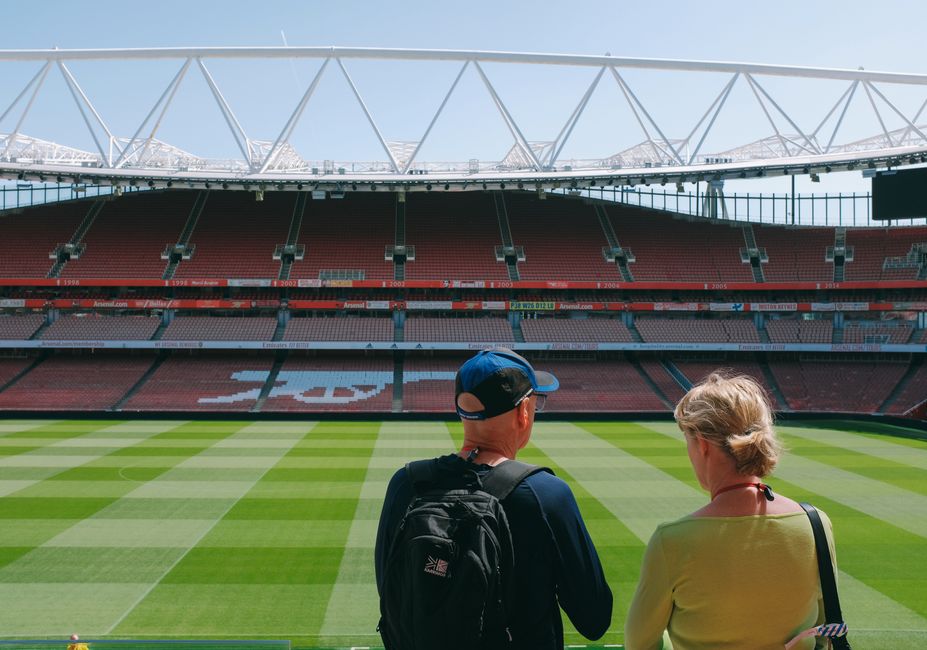
When the Emirates Stadium reported a 23 per cent increase in community fitness programmes this year, it seemed to herald a golden age of grassroots athleticism in North London. Yet dig beneath the headline numbers, and a more nuanced—and troubling—picture emerges about who really has access to London's premium sporting infrastructure.
Data from the Greater London Authority's 2026 Sports Participation Survey reveals a stark postcode lottery. While attendance at structured fitness events at major venues like the Copper Box Arena in Hackney and the Tottenham Hotspur Stadium has climbed, participation rates in outer boroughs like Havering and Barking remain stubbornly flat. The same survey found that membership at council-run leisure centres across Southwark and Lambeth has actually contracted by 8 per cent since 2023, even as private gyms in Canary Wharf report waiting lists.
The numbers tell us something uncomfortable: London's fitness culture is becoming increasingly bifurcated. Those within walking distance of major venues—whether international-standard facilities or purpose-built community hubs—enjoy unparalleled access. For others, the reality is grimmer. A 45-minute bus journey to Stratford's London Stadium for a beginner's running group is simply not viable for parents juggling shift work across multiple jobs.
Consider the data more granularly. Participation in structured programmes at the Oval in Kennington surged 31 per cent year-on-year, yet this masks a demographic reality: average participant income sits at £48,000 annually, roughly 18 per cent above London's median. Similar patterns emerge at Crystal Palace National Sports Centre and the Lee Valley Hockey and Tennis Centre in Waltham Forest.
What's particularly revealing is the participation plateau in genuinely free or low-cost activities. Open-access running groups in Regent's Park and Green Spaces across Peckham attract thousands, yet these unstructured, volunteer-led initiatives barely register in official stadium and venue metrics. They're the real barometer of London's fitness culture—unglamorous, unsponsored, and utterly vital to the city's actual wellness picture.
The lesson is clear: attendance figures at marquee venues offer only a partial truth. They capture the aspirational, the organised, the relatively affluent. True participation data must account for what happens beyond turnstiles—in parks, community centres, and improvised spaces where most Londoners actually move their bodies. Until we measure that reality with equal rigour, we'll remain blind to the real fitness gaps our city must address.
This article was compiled by AI from the sources linked above and screened before publishing. See our editorial standards.