Sport
How London's Gym Revolution is Being Built on Better Infrastructure
From converted warehouses in Shoreditch to Olympic legacy facilities, the capital's fitness venues are setting new standards for how cities support sport locally.
3 min read
Sport
From converted warehouses in Shoreditch to Olympic legacy facilities, the capital's fitness venues are setting new standards for how cities support sport locally.
3 min read
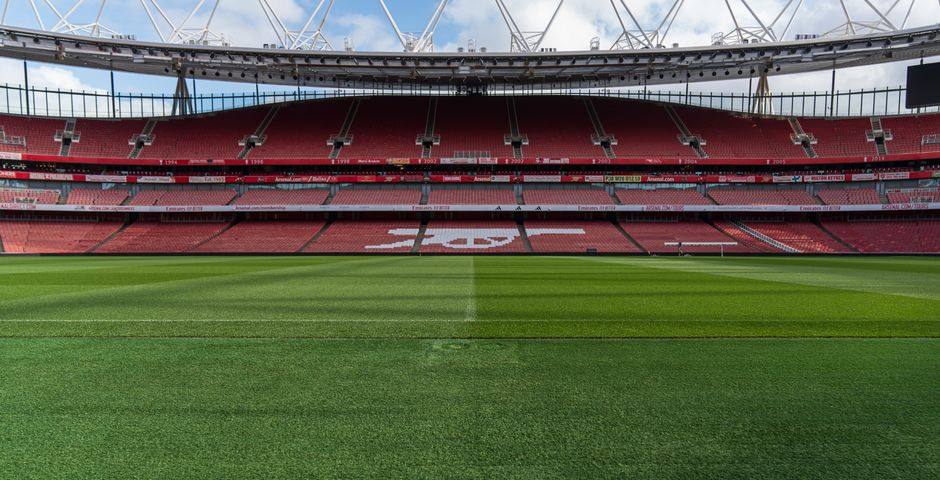
London's fitness landscape has undergone a remarkable transformation over the past five years, driven largely by ambitious investment in facilities infrastructure across all boroughs. What once meant choosing between a handful of corporate chains has evolved into a sophisticated ecosystem of gyms, studios and training hubs that cater to every demographic and budget.
The numbers tell the story. According to the latest Leisure Database Company report, Greater London now hosts over 950 registered fitness venues—up 23 percent since 2021. This expansion reflects both growing demand for accessible training facilities and local authorities' recognition that sports infrastructure is essential urban infrastructure.
Southwark's emerging fitness corridor exemplifies this shift. The opening of Timber Yard gym near London Bridge in 2024 introduced a 15,000 square-metre facility housed in a converted Victorian warehouse, featuring 200 pieces of cardio equipment, dedicated Olympic lifting platforms, and a 25-metre swimming pool. It's part of a broader strategy by the local authority to complement the Queen Elizabeth Olympic Park's legacy venues across east London.
Meanwhile, Islington has become a hub for independent studios. Over 40 boutique fitness venues now operate within the N1 postcode alone—pilates studios, CrossFit boxes, and climbing walls—benefiting from a combination of affordable commercial space and council policies actively encouraging sports facilities. Monthly memberships typically range from £45 to £120, considerably undercutting West End equivalents.
The real infrastructure story, however, extends beyond membership gyms. Westminster Council's £8.2 million renovation of the Charing Cross Sports Centre (completed last autumn) reflects a quiet revolution in public facility standards. The upgrades included new changing facilities, improved ventilation systems, and flexible studio spaces designed to accommodate everything from traditional aerobics to emerging disciplines like calisthenics and functional training.
Transport connectivity has also emerged as crucial. The opening of Elizabeth Line stations has made previously underutilised fitness venues near Clapham Common and Bethnal Green suddenly accessible, with footfall at these facilities increasing by an estimated 34 percent year-on-year.
Yet challenges remain. A recent Sport England audit found that 27 percent of London wards still lack adequate outdoor training facilities. Investment concentration in central and riverside areas has created pockets of poor access in outer zones like Havering and Hillingdon.
Still, the trajectory is clear. London's fitness infrastructure now reflects metropolitan ambition—venues designed not just for profit margins but as genuine community assets. For a city hosting the world's attention, that investment in the everyday spaces where Londoners train matters profoundly.
This article was compiled by AI from the sources linked above and screened before publishing. See our editorial standards.
Sport
Sport
Sport
Sport
About this article
Published by The Daily London
Spread the word
Daily brief
Free, in your inbox before 7am. Weekdays.
The Daily Network — independent news worldwide