Walk down Clissold Park on a Saturday morning and you'll find Stoke Newington Football Club's pitches bristling with activity—not just from players, but from families, volunteers, and locals who've come to recognise the club as something far more valuable than a place to kick a ball. This story is repeating across London's neighbourhoods, where community-rooted sports organisations are proving their worth extends well beyond match days.
The past eighteen months have seen a remarkable surge in membership at grassroots venues across the city. Walthamstow Hall Sports Centre, nestled between Forest Road and the Waltham Forest conservation area, has reported a 34 per cent increase in participation since 2024, with over 2,400 active members across its netball, badminton, and basketball programmes. Meanwhile, Clapham Common's network of tennis clubs and running groups has become so oversubscribed that waiting lists now stretch into months.
What's driving this phenomenon? Community leaders point to a straightforward answer: accessibility and belonging. Unlike the gleaming stadiums of the Premier League, these venues offer affordable membership—typically £15–40 monthly—and a genuine sense of neighbourhood ownership. Hackney Pirates, based in a converted warehouse near Dalston Junction, combines boxing and mentoring for young people, generating a waiting list of over 300 participants.
The social impact is tangible. Participation data from London Sport reveals that 67 per cent of members at community clubs report improved mental wellbeing, while 54 per cent cite stronger connections to their immediate area. Organisations like Brixton Recreation Centre have extended programming to include subsidised sessions for pensioners and parents, creating intergenerational spaces that transcend sport itself.
Local authorities are taking notice. Islington Council's investment of £2.8 million into neighbourhood sports infrastructure reflects recognition that these venues function as genuine community anchors—places where isolation is combated, where young people find mentorship, and where neighbours become friends.
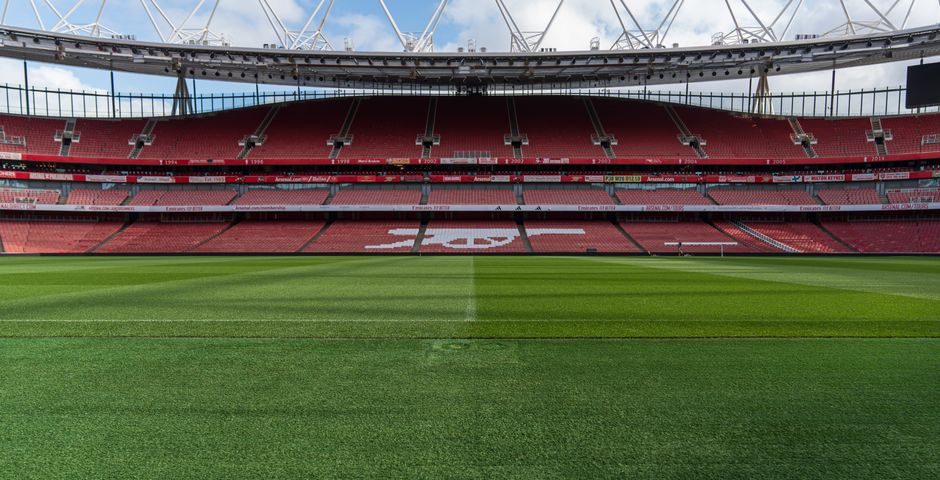
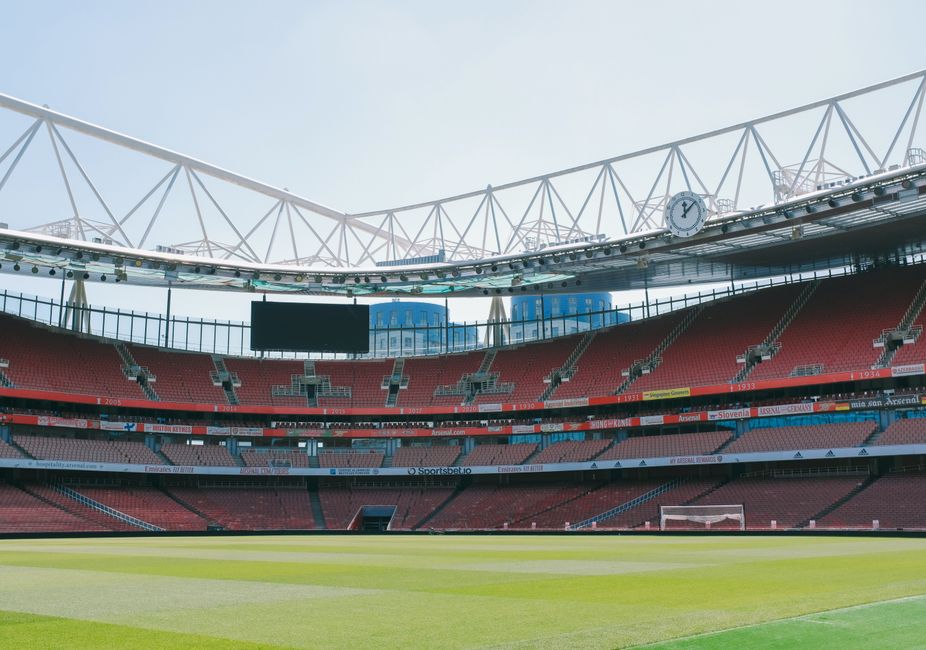
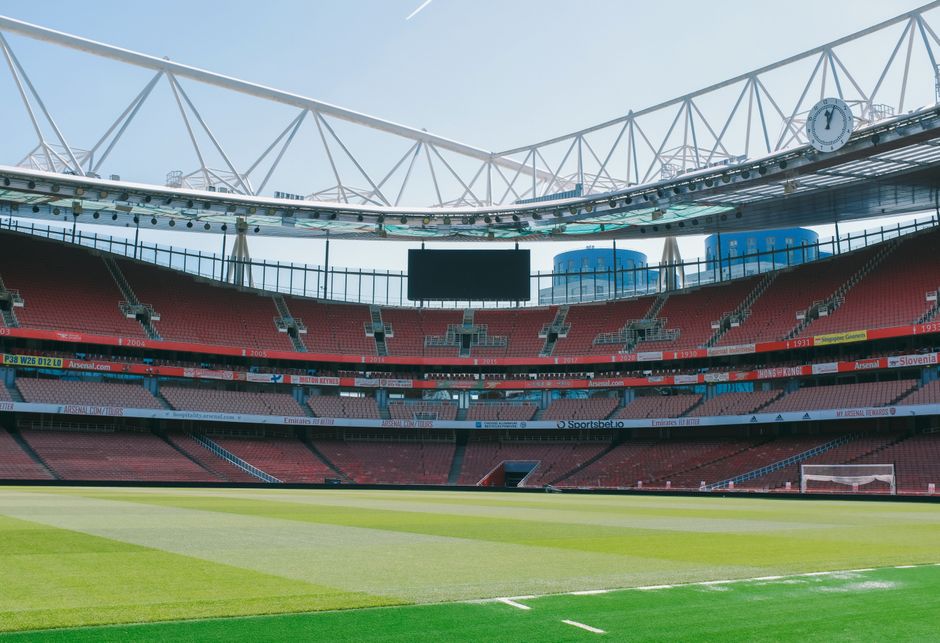
The contrast with larger commercial venues is instructive. Whilst major stadiums focus on spectacle and revenue, community clubs operate on different logic entirely. They're embedded in the streets they serve. Tooting & Balham Cricket Club, operating since 1858 from its Woodside Avenue ground, has this year launched a women's development programme targeting underrepresented players across South London.
As London's social fabric continues to stretch thin across an increasingly dispersed population, these modest venues—with their worn pitches, volunteer-run committees, and genuine welcome—have become quietly indispensable. They remind us that sport's greatest value often lies not in the spectacle, but in the everyday belonging it creates.
This article was compiled by AI from the sources linked above and screened before publishing. See our editorial standards.