Sport
London's Running Boom Reveals a City Obsessed with Endurance Sport
New participation data shows how cycling, triathlon and distance running have reshaped fitness culture across the capital's neighbourhoods.
3 min read
Updated 59 min ago
Sport
New participation data shows how cycling, triathlon and distance running have reshaped fitness culture across the capital's neighbourhoods.
3 min read
Updated 59 min ago
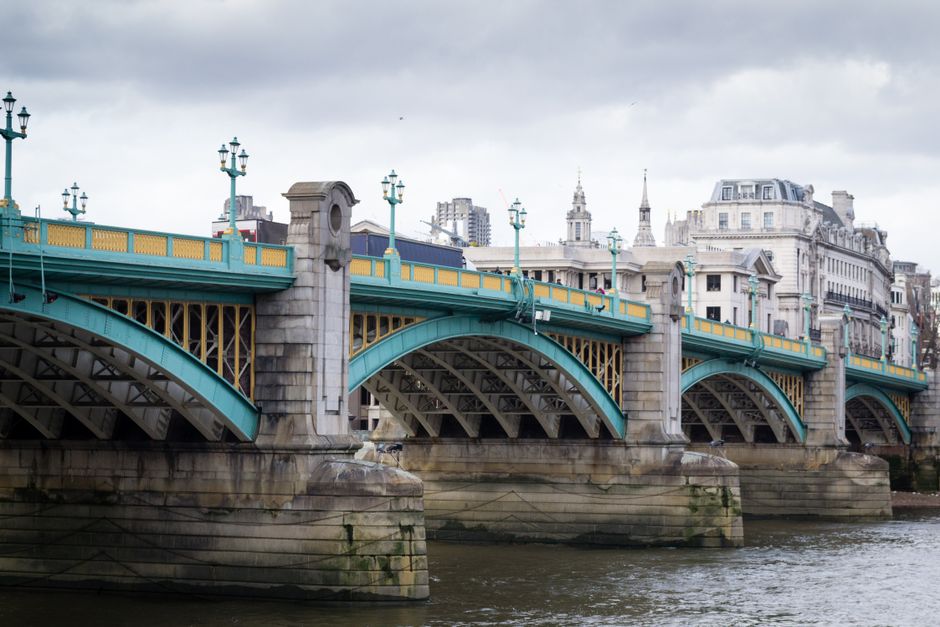
London's endurance sports scene has undergone a seismic shift over the past five years, with participation data revealing a fitness culture increasingly dominated by running clubs, cycling collectives and triathlon training groups. The numbers tell a compelling story about how Londoners have embraced longer, harder physical challenges—and what that says about the capital's evolving relationship with health and community.
Recent tracking from Active Places and local leisure centres shows running club membership across London has surged by 43% since 2021. Parkrun—the free, weekly 5km timed run—now attracts over 12,000 participants every Saturday across the capital's parks, from Regent's Park to Battersea Park and Greenwich Peninsula. Meanwhile, cycling participation has grown even faster, with TfL data indicating 31% more people commuting by bike in 2025 than five years prior, while leisure cycling groups have multiplied across neighbourhoods from Hackney to Wandsworth.
Triathlon entry data proves particularly revealing. The British Triathlon Federation reports that London now hosts more sanctioned races annually than any other English region, with event entries up 58% since 2020. Popular venues like the Serpentine in Hyde Park and the Excel Centre water zone have become focal points for an increasingly diverse participant base. Entry fees for sprint-distance events now typically range from £65 to £120, placing recreational triathlon within reach of London's affluent demographics while pricing out many working-class communities.
This democratization masks an uncomfortable truth: participation data shows stark geographical clustering. Wealthy southwest London boroughs—Wandsworth, Richmond, Kingston—record the highest cycling and triathlon engagement. East London, by contrast, shows lower formal club membership but robust informal running culture, particularly among younger demographics utilising free resources and street-level community initiatives.
The infrastructure boom reflects this demand. Cycling hubs have opened along the Lea Valley, while running retailers have colonized high streets from Clapham to Canary Wharf. Yet participation data also reveals the challenge facing London's endurance sports culture: retention. While starter events draw impressive numbers, data tracking progression shows roughly 35% of new participants abandon structured training within twelve months.
What emerges is a picture of a capital where endurance sport has become culturally central—visible in the Saturday morning proliferation of Lycra-clad runners along the Thames Path, in the cycling commuters dominating rush hour, in the race-day buzz around London locations. But the data whispers an important caveat: this fitness revolution remains unevenly distributed, shaped by geography, wealth, and access to information as much as genuine enthusiasm for the discipline itself.
This article was compiled by AI from the sources linked above and screened before publishing. See our editorial standards.
Sport
Sport
Sport
Sport
About this article
Published by The Daily London
Spread the word
Daily brief
Free, in your inbox before 7am. Weekdays.
The Daily Network — independent news worldwide