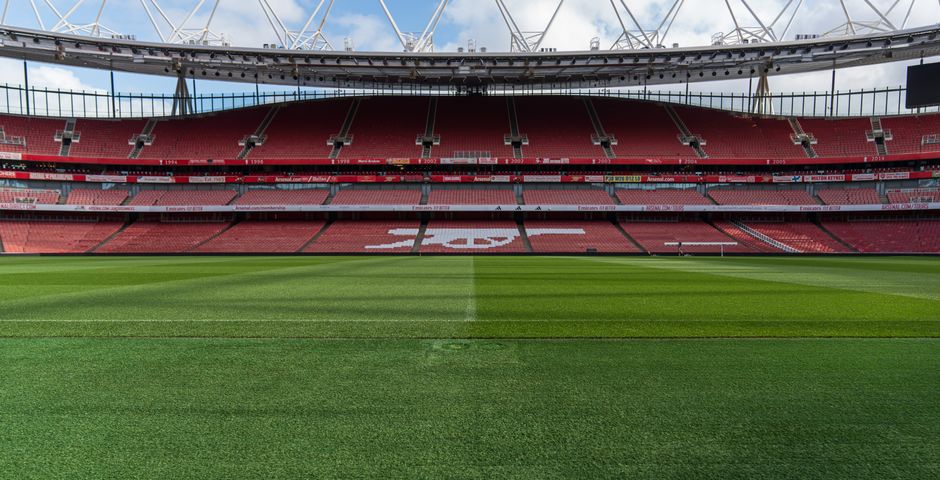
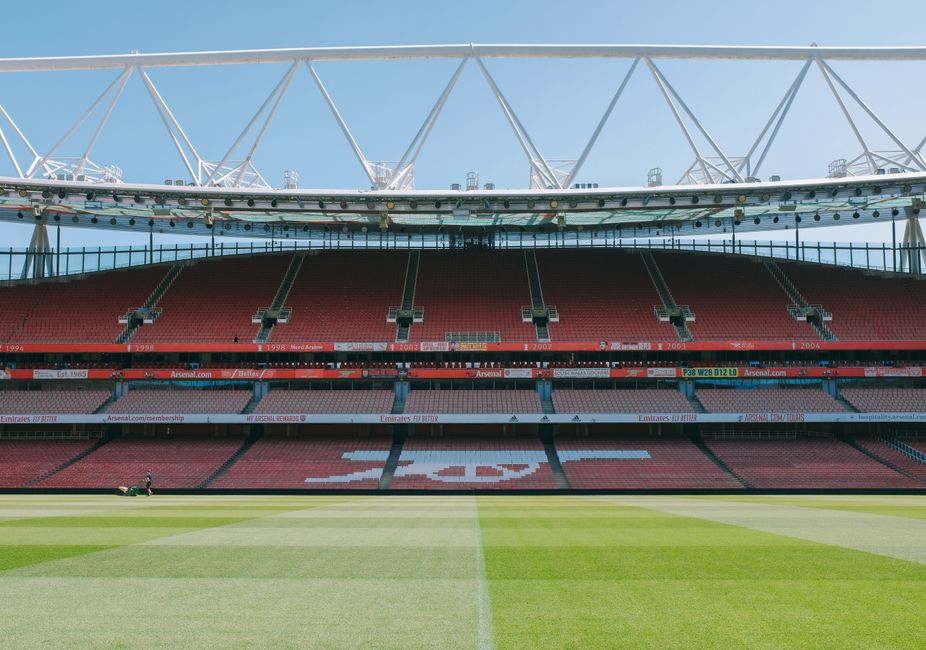
Walk down Clissold Park on a Sunday morning in Stoke Newington, and you'll find the pitches alive with activity. Clissold Park FC, a grassroots club serving the neighbourhood for over a century, now boasts fifteen teams spanning youth and adult divisions. It's a microcosm of what's happening across London: while international tournaments capture attention and major venues like the Tottenham Hotspur Stadium and Emirates dominate the sporting landscape, local clubs are experiencing a renaissance that's quietly reshaping communities from Hackney to Hounslow.
The numbers tell the story. Non-league football clubs across London have seen participation surge by nearly 28% since 2023, according to data from the London Football Association. But it's not just football. From rowing clubs along the Thames in Putney and Mortlake to basketball leagues in Croydon's leisure centres, neighbourhood organisations are filling a crucial gap. These aren't just places to play sport—they're anchors for social connection in an increasingly fragmented city.
Consider what's happening at Hackney Pirates on the Hackney Downs estate. This boxing club, operating from a modest converted warehouse, has transformed dozens of young people's lives through mentorship, fitness, and community engagement. Membership costs as little as £2 per session, deliberately keeping participation accessible. The model is replicating across London: affordable, local, and genuinely rooted in neighbourhood needs.
The success stems from a simple formula. These clubs invest in their immediate surroundings rather than chasing global prestige. West London's Brentford FC Community Foundation has expanded youth programmes serving schools across Ealing and Hounslow, while Leyton Orient's community initiatives reach deep into East London's most underserved areas. Each pound generated stays local, funding development and building intergenerational bonds.
Infrastructure matters too. The recent renovation of council-run sports centres in Lambeth and Wandsworth has enabled clubs to expand. Meanwhile, community-led initiatives like the Clapham Common Tennis Club have attracted new members by prioritising accessibility over exclusivity, charging competitive rates while maintaining quality coaching.
The impact extends beyond sport. These venues serve as neutral ground where diverse communities meet. In a city sometimes fractured by geography and demographics, a shared passion for sport—whether Sunday league football in Tooting, netball in Newham, or badminton in Barnet—creates genuine connection.
As London's major stadiums continue hosting elite events that attract global audiences, the real story of the city's sporting health lies in these neighbourhood clubs. They're not competing for headlines; they're competing for something more valuable: the hearts and commitment of their communities.
This article was compiled by AI from the sources linked above and screened before publishing. See our editorial standards.