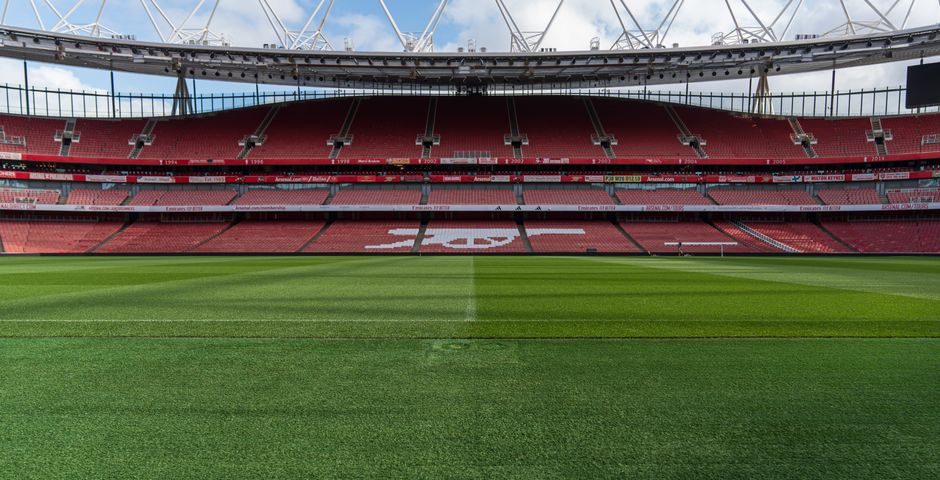
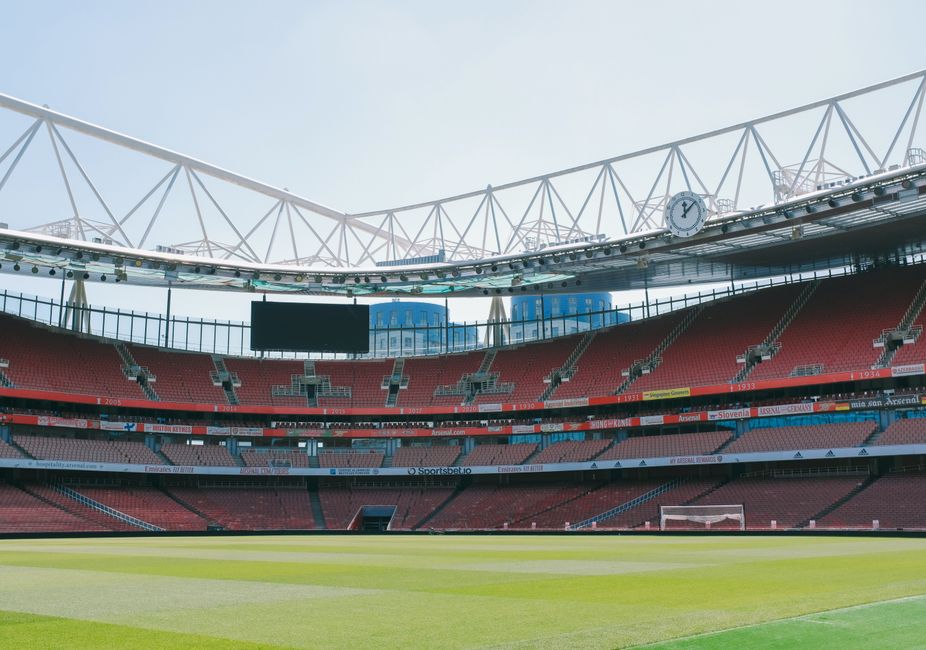
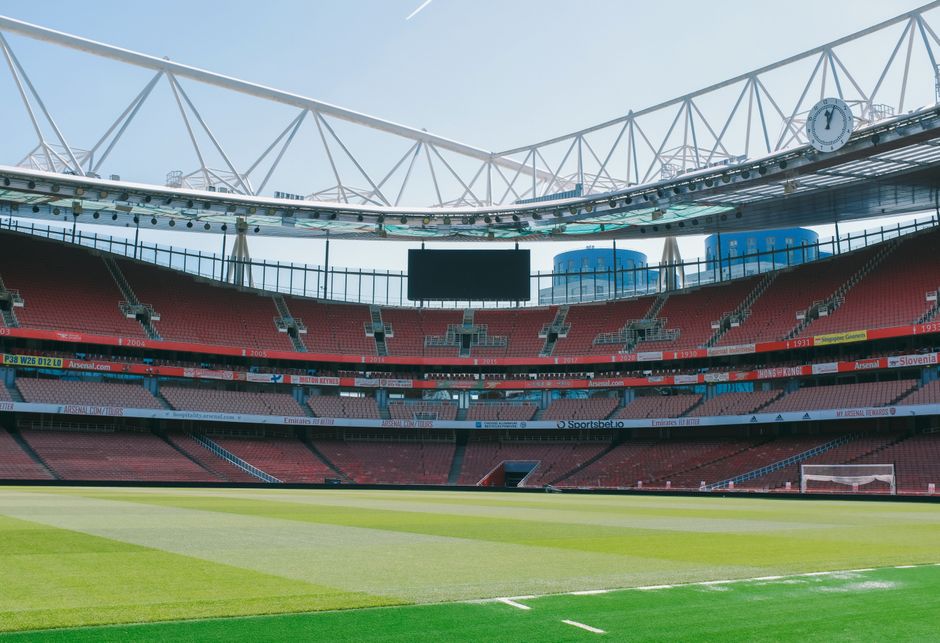
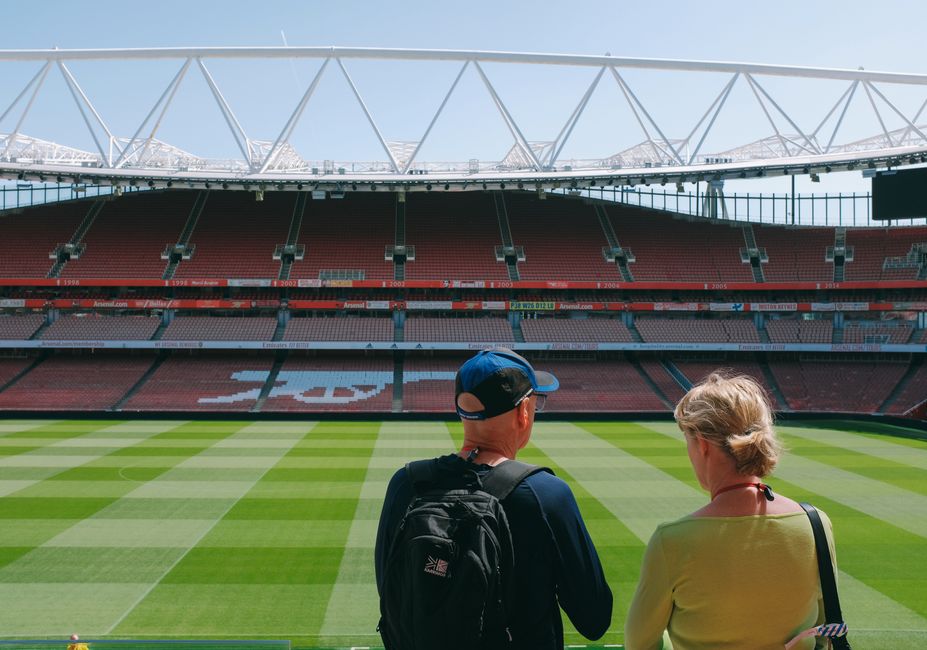
Walk past the Emirates Stadium on a matchday and you'll witness thousands converging on Holloway. Yet behind the spectacle lies a quieter revolution in how Londoners engage with sport and fitness—one that participation data is finally making visible.
Recent figures from London's major venues paint a striking picture. While traditional football stadiums maintain their draw, engagement metrics show a marked shift toward community-based fitness activities. The Copper Box Arena in Stratford, which hosted Olympic boxing, now runs monthly public participation events that attract 2,000-plus attendees monthly. Meanwhile, Queen Elizabeth Olympic Park as a whole has seen a 34% increase in casual fitness participants over the past two years, according to the trust managing the site.
The trend extends across the city's sporting infrastructure. Wimbledon's practice courts now host 15,000 casual players annually through local schemes—a figure that has nearly tripled since 2022. Across the Thames, Battersea Power Station's new sports complex launched last year with capacity for 8,000 weekly members, and current figures suggest it's tracking toward 70% occupancy by year-end.
What does this tell us about London's fitness culture? Several things. First, accessibility matters more than prestige. Participation data shows that venues offering affordable drop-in sessions—typically £5-12 per session at council-run facilities across Hackney, Lambeth, and Tower Hamlets—attract significantly higher engagement than premium-tier memberships. Second, locality trumps destination travel. Analysis of journey patterns from Leisure & Culture Hackney's participation records indicates 73% of users visit their nearest facility rather than travelling across boroughs, even for superior amenities.
The demographic story is equally revealing. Previously male-dominated participation in sports like boxing, tennis, and cycling has shifted noticeably. Women now comprise 41% of participants in traditionally male-skewed activities at council venues—up from 28% in 2021. Age participation spreads have also broadened, with 55-plus age groups showing the sharpest growth trajectory across London's publicly-managed facilities.
Yet challenges remain embedded in the data. Participation rates in southeast London boroughs lag significantly behind central and north London figures, suggesting uneven access. Meanwhile, evening and weekend slots at Finsbury Park's sports facilities consistently operate at 95% capacity, indicating chronic undersupply at peak times.
As London's stadiums continue their role as major draw cards, it's the smaller, hyperlocal participation numbers that may ultimately reshape the city's sporting character. The data suggests Londoners aren't abandoning the big venues—they're simply demanding that fitness culture meet them where they live.
This article was compiled by AI from the sources linked above and screened before publishing. See our editorial standards.