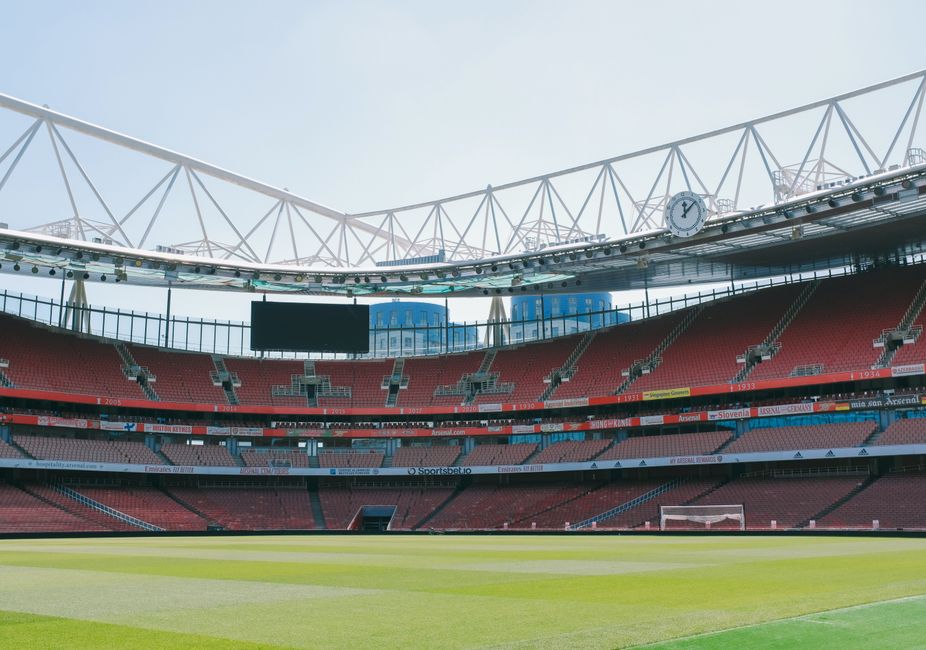
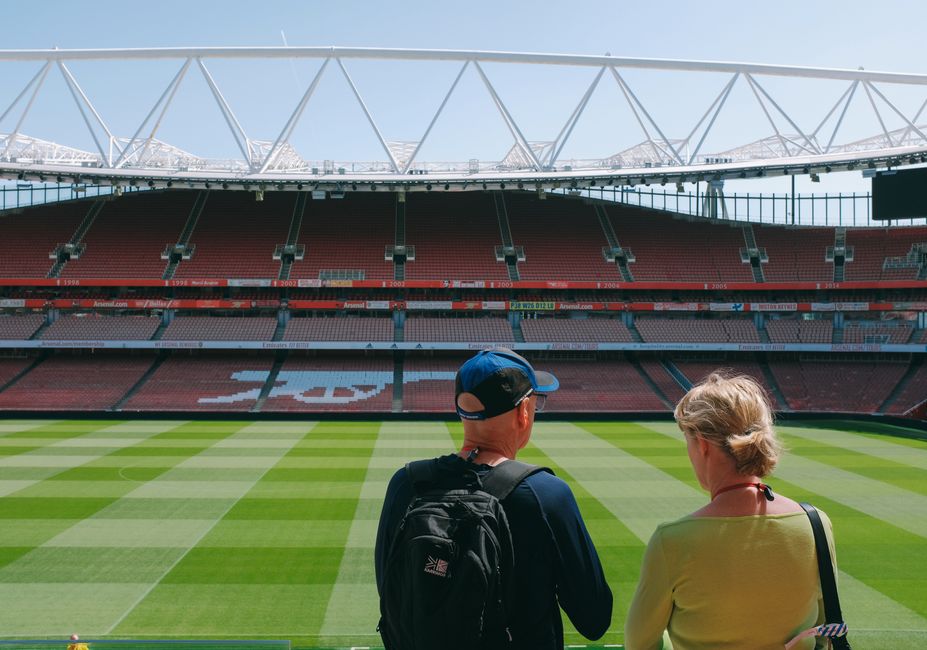
Walk past Battersea Park on any Saturday morning and you'll see the full spectrum of London's youth sports ecosystem: junior rugby teams warming up on the fields, tennis coaching in full swing, and a steady stream of families arriving for weekend fixtures. But step back and examine the numbers, and a more complicated picture emerges.
Recent data compiled from Sport England's Active Lives survey, combined with membership returns from local authorities and independent clubs, reveals that London's grassroots sports participation has shifted markedly over the past three years. While overall youth engagement remains relatively stable at around 47% of under-16s participating in organised sport at least once weekly, the geographical distribution tells a striking story.
South London boroughs—Wandsworth, Merton, and Croydon—have seen membership surges of between 12-18% since 2023, driven partly by investment in facilities and partnership schemes between schools and independent clubs. Meanwhile, several north and east London venues report stagnation or decline. Hackney's youth participation dipped 6%, whilst Tower Hamlets has struggled to maintain consistent numbers despite population growth.
The cost barrier remains the elephant in the room. At clubs along the Thames in Richmond and Kingston, junior memberships average £380-420 annually, creating natural selection. Community schemes offering subsidised places exist, but take-up suggests awareness remains patchy. Waltham Forest's discounted programme for under-18s costs £120 yearly, yet fewer than 400 families have enrolled despite serving a borough of over 280,000 people.
What's particularly telling is the sport-by-sport shift. Traditional team sports—football, rugby, netball—have held steady, but there's explosive growth in individual pursuits: badminton clubs in Clapham and Wimbledon report 30% rises in junior membership, whilst climbing gyms across zones 1-2 have waiting lists. This mirrors national trends suggesting young Londoners increasingly favour flexible, self-directed participation over structured league commitments.
The data also exposes a demographics puzzle. Participation among girls aged 11-14 in south London suburbs (59%) significantly outpaces their north London peers (41%), a gap that persists across most team sports. Sport England's researchers point to facility density and after-school transport logistics as contributing factors.
For grassroots development officers, the message is clear: London's fitness culture isn't uniform. Success requires localised strategies that address cost, accessibility, and actual neighbourhood demand. The clubs thriving from Balham to Beckenham aren't simply better-run—they've adapted to who's actually there, with what resources, and what they actually want to do. That's the real game-changer.
This article was compiled by AI from the sources linked above and screened before publishing. See our editorial standards.