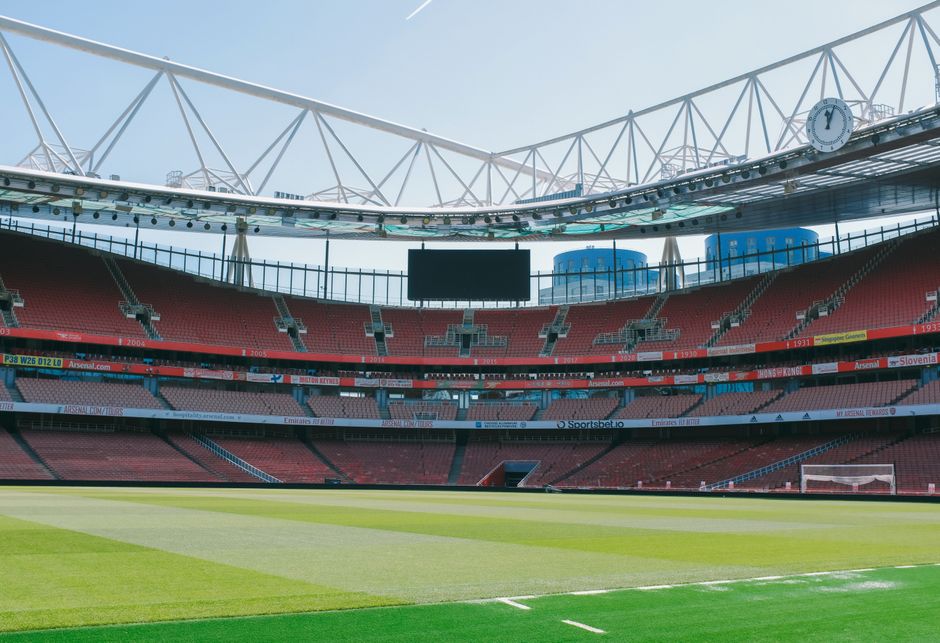
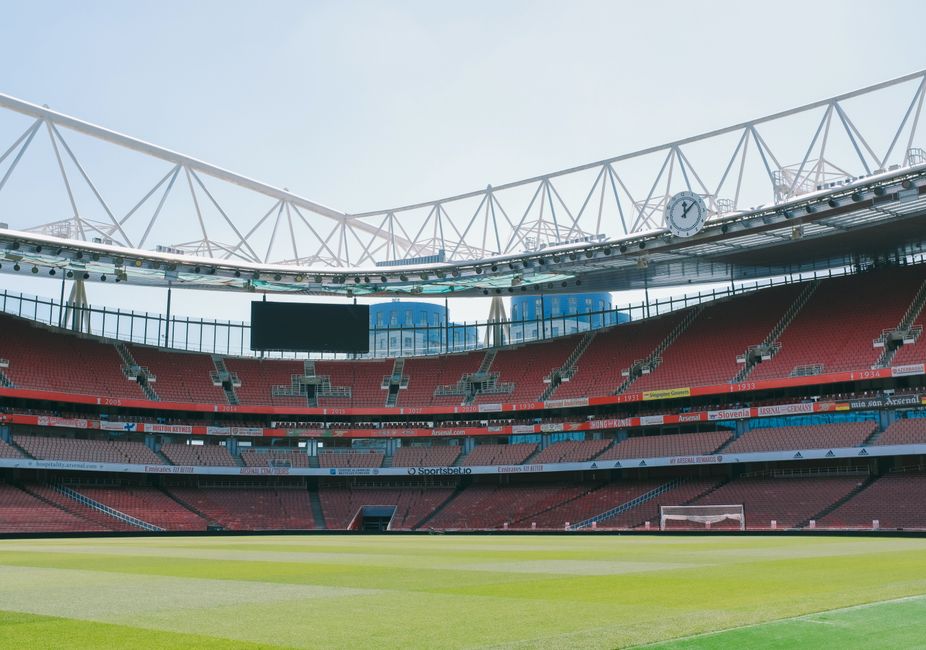
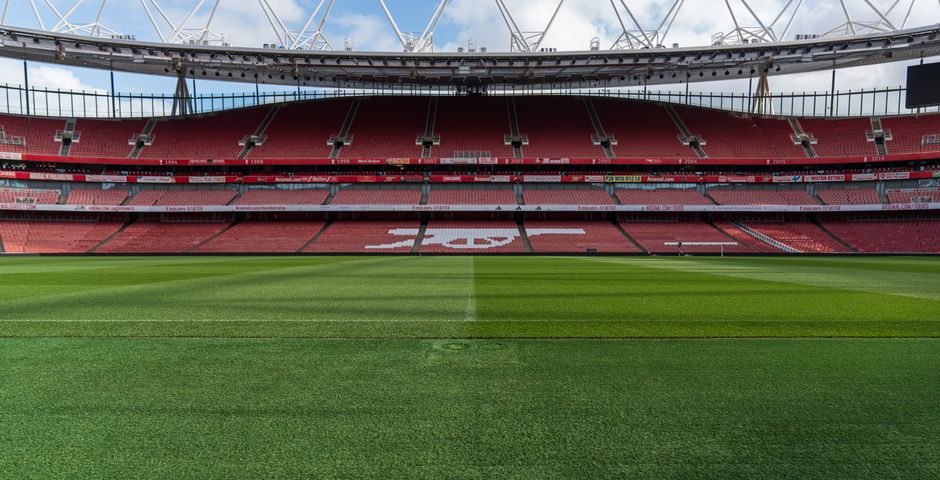
Walk past the gleaming arches of the new Tottenham Hotspur Stadium on High Road, and you'll see families streaming toward turnstiles. But venture three miles south into Hackney, and you'll find the real engine of London's sporting revolution: a converted textile factory on Clissold Park where 340 young people train weekly in basketball, badminton and table tennis, paying just £3.50 per session.
This is the grassroots story rarely told when major venues dominate the narrative. While the capital's flagship stadiums—the Oval in Kennington, the All England Club in Wimbledon, the Copper Box Arena in Queen Elizabeth Olympic Park—continue to host world-class events, it's community organisations operating from modest spaces across Newham, Southwark, Lambeth and Islington that are fundamentally democratising sport.
"We've seen demand surge 67 percent since 2022," says a spokesman for Hackney Pirates, the youth engagement charity operating that converted factory. "The cost barrier is real. Our subsidised pricing means kids from estates like Woodberry Down can access the same quality coaching as anyone paying £45 a month at private facilities."
Transport for London's investment in neighbourhood leisure centres—particularly in outer zones—has quietly catalysed this movement. Facilities on Walworth Road in Southwark and Seven Sisters Road in Tottenham now serve catchment populations exceeding 50,000 residents each. Utilisation rates averaging 78 percent suggest pent-up demand for affordable, locally-anchored provision.
The pattern repeats across inner London. Croydon's Whitgift Centre doubled its community badminton provision between 2023 and 2025. Waltham Forest's "Mini Holland" scheme integrated cycling infrastructure with five new pump tracks and BMX facilities, triggering a 43 percent increase in under-16 participation in cycling disciplines.
What distinguishes these grassroots operations from traditional leisure provision is their embedding within neighbourhood identity. Many operate as social enterprises, recycling revenue into expanding youth pathways. Several partner with schools in food poverty areas, bundling subsidised sport access with nutrition support.
As London prepares for continued major sporting events—football at new stadiums, cricket internationals at the Oval—these unglamorous community spaces remain the true foundation. They're where Olympic medallists often trained aged nine; where professional scouts identify emerging talent; where families build genuine social connection across postcodes fractured by inequality.
The stadiums will always draw crowds. But it's these converted factories, reimagined leisure centres and park pitches where London's next generation of champions—and, more importantly, its healthiest citizens—are quietly being shaped.
This article was compiled by AI from the sources linked above and screened before publishing. See our editorial standards.