Walk through Hackney on a Saturday morning and you'll find Clapton Football Club's Spotted Dog Ground buzzing with activity—not just matches, but community barbecues, youth academies, and social events that have transformed a modest East London pitch into a genuine neighbourhood hub. This is the story unfolding across London's local sports landscape, where small clubs are punching well above their weight in building meaningful community ties that rival the spectacle of the capital's Premier League giants.
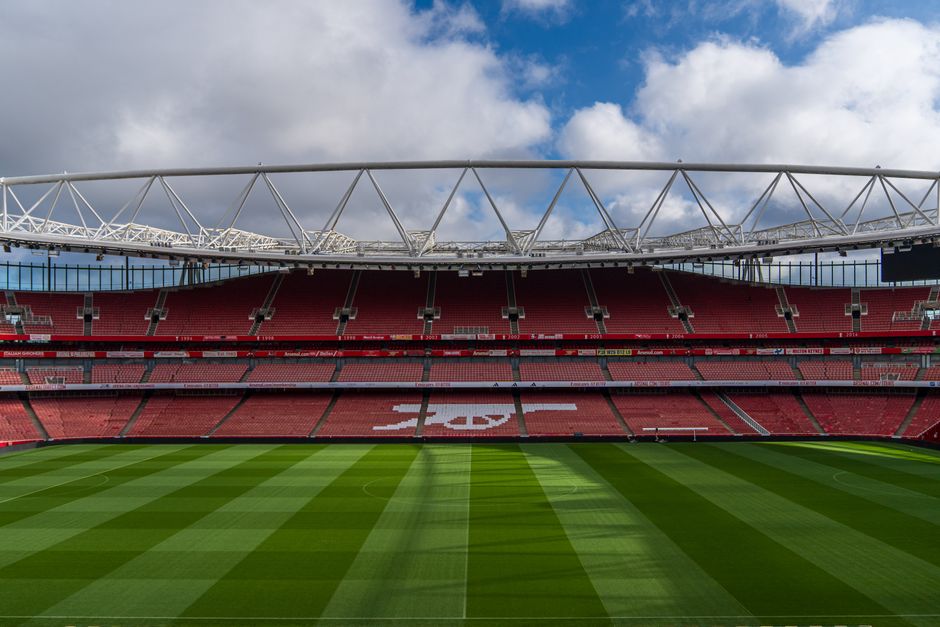
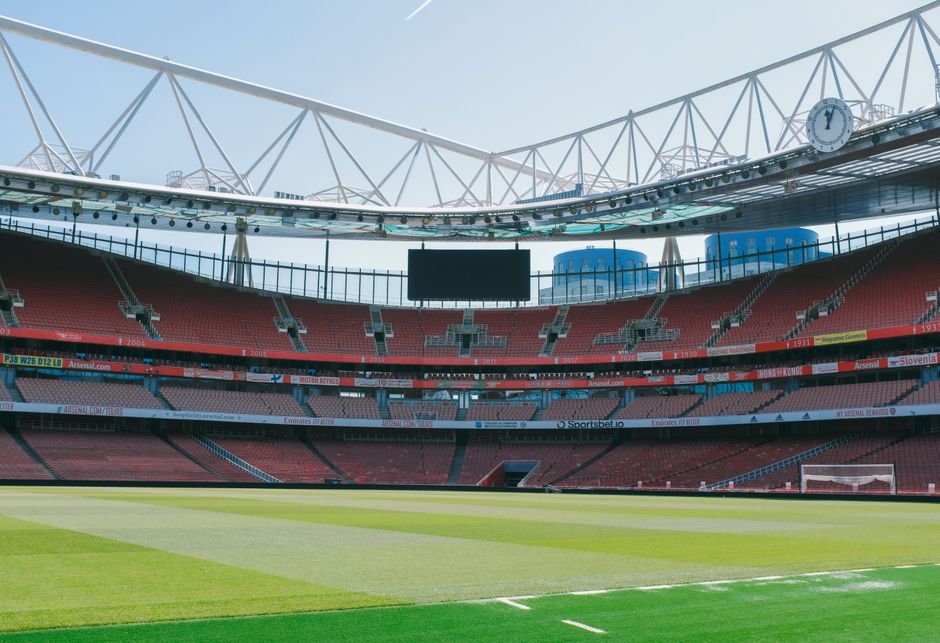
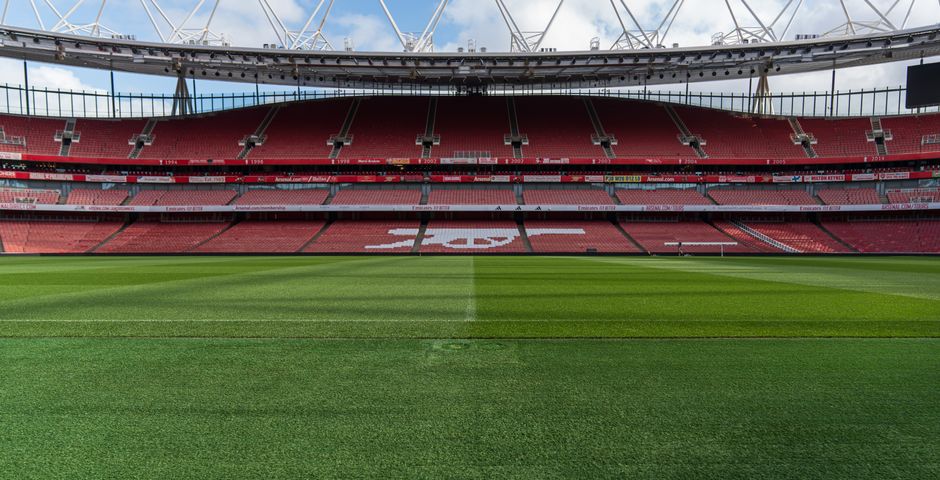
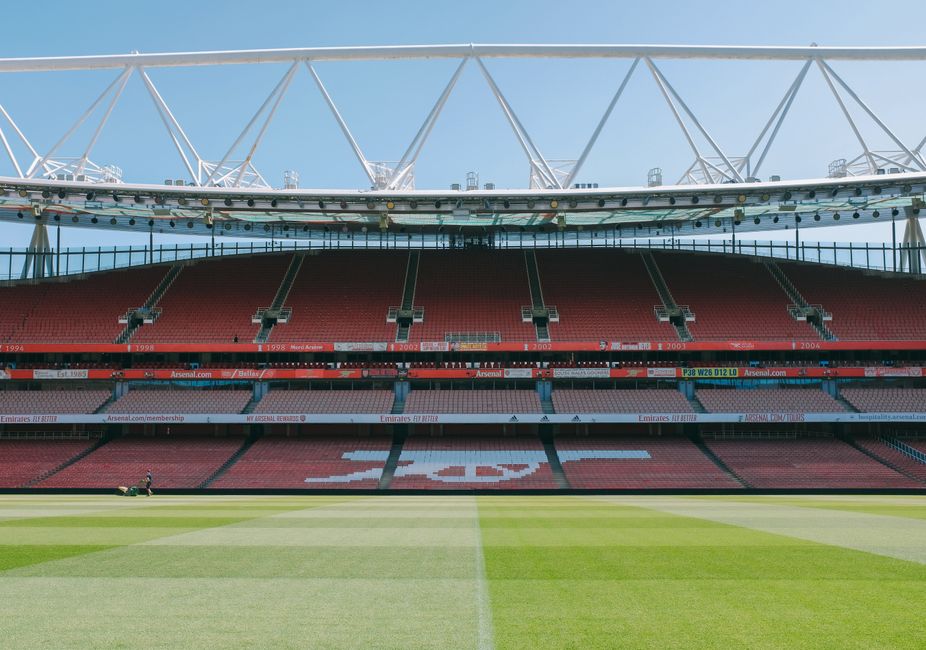
The contrast is striking. While Arsenal's Emirates Stadium and Tottenham's gleaming new ground in North London draw international crowds, grassroots organisations like Tooting & Mitcham United are quietly revolutionising how sport functions as a social anchor. Their ground on Streatham Road has become a focal point for south London residents, hosting not only football but community mental health initiatives, free coaching sessions for disadvantaged youth, and local employment schemes. Monthly attendance at matches has grown by 34% over three years, with the club now engaging over 2,000 active members.
Across the capital, similar patterns emerge. Walthamstow-based Waltham Forest Council has invested £3.2 million in upgrading local leisure facilities, recognising that thriving communities need accessible venues. Greenwich's smaller rugby clubs report membership up 18% since 2023, driven largely by grassroots outreach rather than media coverage. Even in affluent areas, neighbourhood venues prove invaluable—Dulwich Sports Club's various grounds serve 4,000+ active members across multiple sports, generating local employment and reducing youth antisocial behaviour by fostering structured activity.
The economics matter too. While match days at major stadiums generate tourism revenue, local clubs circulate money within communities. A typical Hackney or Croydon sports club spends £40,000-£80,000 annually on ground maintenance, coaching staff, and equipment—money that stays local. Youth membership fees, where charged at all, typically cost £5-15 monthly, making sport genuinely accessible across income brackets.
Technology has amplified these efforts. Clubs use social media to build followings, online ticketing systems to streamline operations, and data analytics to understand community needs better. Yet the fundamental appeal remains timeless: belonging to something bigger than yourself, knowing your coach's name, and understanding that your participation directly supports your neighbourhood's wellbeing.
As London continues hosting world-class sporting events, these smaller venues represent something equally important—the democratisation of sport, where community thrives not through spectacle but through genuine connection, accessibility, and shared purpose rooted firmly in local streets and identities.
This article was compiled by AI from the sources linked above and screened before publishing. See our editorial standards.