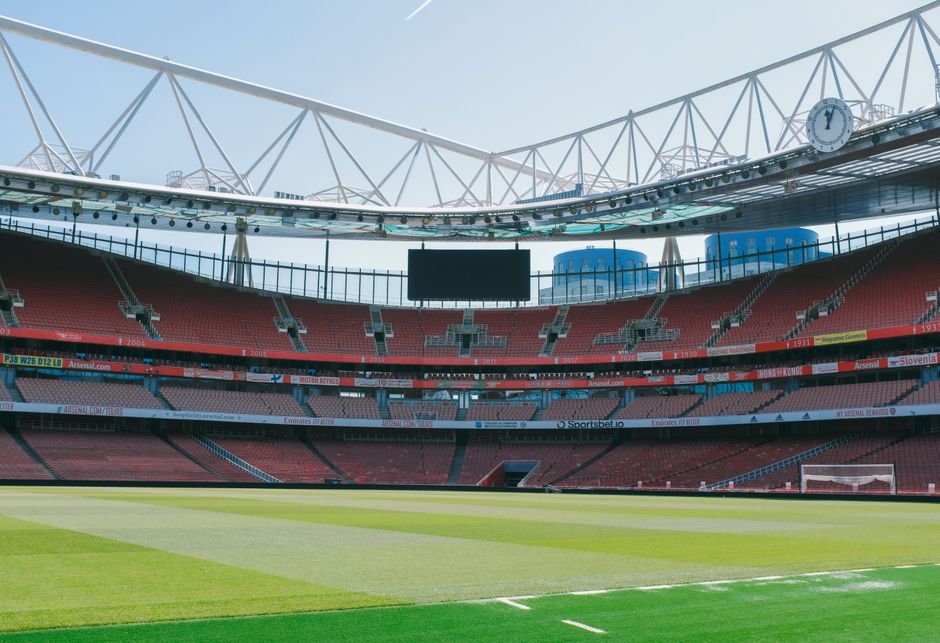
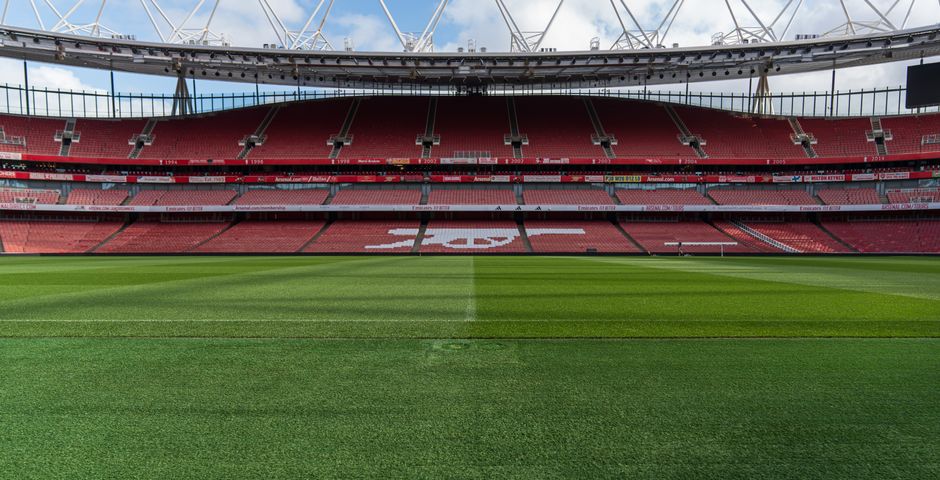
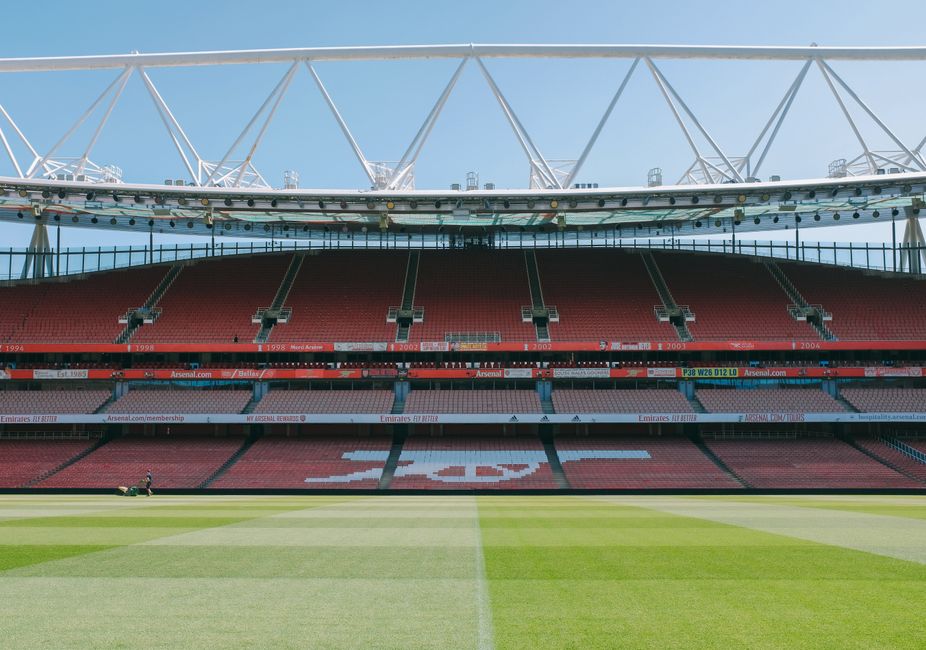
As London continues to host world-beating athletes across multiple disciplines, the city's commitment to maintaining cutting-edge sporting facilities has become increasingly vital. The infrastructure underpinning the capital's thriving sports scene extends far beyond the iconic stadiums that dominate the skyline, encompassing a network of training centres, academies, and specialist venues that enable excellence at every level.
The Queen Elizabeth Olympic Park in Stratford remains a cornerstone of London's sporting legacy. Since its transformation following the 2012 Games, the East London complex has evolved into a multi-use facility hosting Premier League football at the London Stadium, competitive swimming at the Aquatics Centre, and basketball at the ArenaL. The park's annual visitor figures exceed 12 million, demonstrating its sustained relevance beyond its Olympic heritage.
Yet the capital's sporting infrastructure extends across all boroughs. Wimbledon's All England Lawn Tennis and Croquet Club, sprawling across 42 acres in southwest London, represents perhaps the most exclusive facility, while Twickenham Stadium in Richmond continues its £370 million redevelopment programme to enhance capacity and visitor experience. Across the Thames, Chelsea's redevelopment plans for Stamford Bridge promise to modernise one of English football's most historic grounds, with construction beginning alongside continued competitive play.
Beyond the household names, community infrastructure proves equally essential. Facilities like the Copper Box Arena, also in Stratford, provide accessible training and competition spaces for local athletes. Meanwhile, the University of East London's sports complex on the Docklands Campus offers state-of-the-art coaching facilities available to aspiring performers across gymnastics, boxing, and weightlifting.
Investment in sports infrastructure isn't merely about maintaining traditions. Data from Sport England indicates that London's active sports participation rate stands at 67%, higher than the national average of 60%, with modern facilities directly supporting this engagement. The introduction of artificial pitches across London boroughs—from Hackney to Hounslow—has democratised access to quality training grounds previously unavailable to grassroots clubs.
Looking forward, London's sporting infrastructure faces both opportunity and pressure. Rising property costs threaten smaller venues, whilst demand for multi-use facilities continues climbing. The capital's ability to balance Olympic-standard venues with accessible community spaces will determine whether London's sporting excellence remains truly inclusive or increasingly concentrated among elite institutions.
For a global city competing against rivals like Barcelona and Singapore, infrastructure investment isn't optional—it's fundamental to maintaining London's position as sport's capital.
This article was compiled by AI from the sources linked above and screened before publishing. See our editorial standards.