This article was generated by AI from the linked public sources. The Daily London is independently owned and covers London news free from advertiser or sponsor influence. Read our editorial standards →
Swimming pools across London are busier than ever. Recent Sport England participation figures reveal that water-based activities have surged 23% among London adults over the past three years, outpacing the national average of 16%. What was once a utility—something people did on holiday or to rehabilitate injuries—has become central to how the capital's residents approach fitness culture.
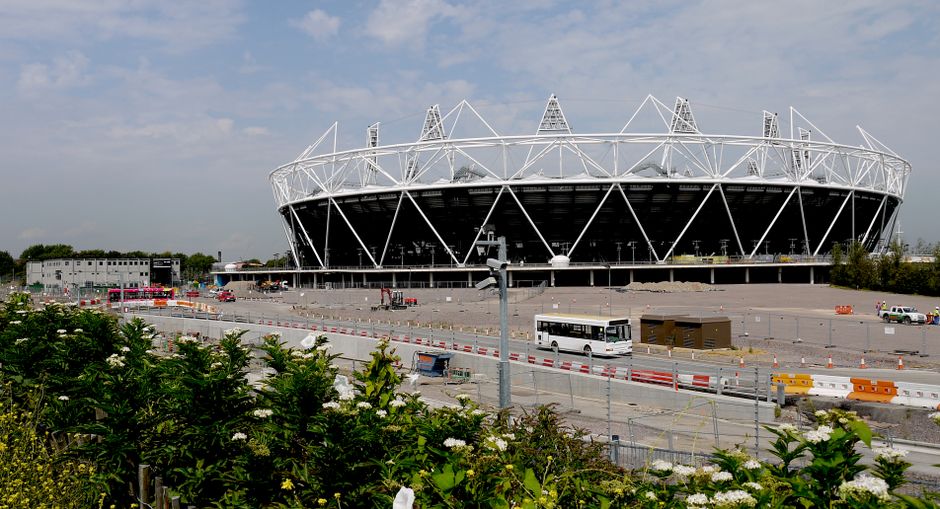
The Serpentine in Hyde Park now hosts over 2,000 winter swimmers annually, while Hampstead Heath's Parliament Hill Ponds attract year-round devotees. Yet the real story isn't confined to these iconic open-water venues. Leisure centres in less celebrated neighbourhoods tell a more intriguing tale. Stratford's Aquatics Centre, legacy infrastructure from 2012, runs at near-capacity most evenings, with waiting lists for some lane-swimming slots. Similarly, Islington's Ironmonger Row Baths—one of London's few remaining Victorian swimming establishments—has seen membership requests climb 31% since 2023.
What explains this shift? Cost is part of it. A monthly unlimited membership at many council-run leisure centres costs between £35-£50, substantially cheaper than gym alternatives while offering lower-impact exercise. The wellness narrative matters too. Open-water swimming has been legitimised by growing evidence of mental health benefits, while triathlon participation—which requires aquatic competence—has become increasingly fashionable among London's professional classes. Local running clubs in areas like Clapham and Dulwich now routinely schedule pool sessions as cross-training.
Yet participation data also reveals stark inequalities. Affluent postcodes like SW7 (Kensington) and W8 (Knightsbridge) show participation rates nearly double those of outer East London. Deptford and New Cross residents face longer commutes to quality facilities, and childcare—essential for parent participation—remains inconsistently available. Women's participation in competitive aquatic sports stands at just 38% in London, despite swimming being the one discipline where gender participation in recreational settings approaches parity.
Council cuts threaten this momentum. Four leisure centres have closed in outer London since 2023, and facility investment remains patchy. The data is clear: demand exists. The question is whether the capital's patchwork of pools, ponds, and lidos can accommodate it equitably. As Londoners increasingly view water as their preferred fitness medium, infrastructure decisions made now will define who gets access to this growing wellness trend.
This article was compiled by AI from the sources linked above and screened before publishing. See our editorial standards.
Covering sport in London. This article was generated by AI from the linked sources and was not reviewed by a human editor before publishing. See our editorial standards.