Sport
From Grassroots to Glory: How London's Local Clubs Are Thriving by Building Community
As major stadiums dominate headlines, neighbourhood sports venues are becoming the true heart of London's thriving athletic culture.
3 min read
Sport
As major stadiums dominate headlines, neighbourhood sports venues are becoming the true heart of London's thriving athletic culture.
3 min read
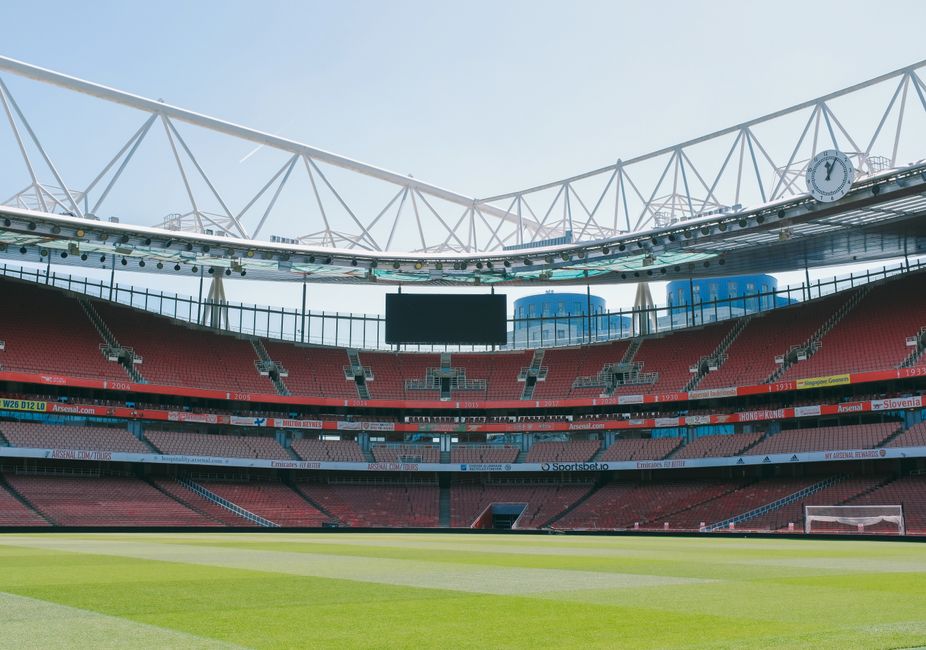
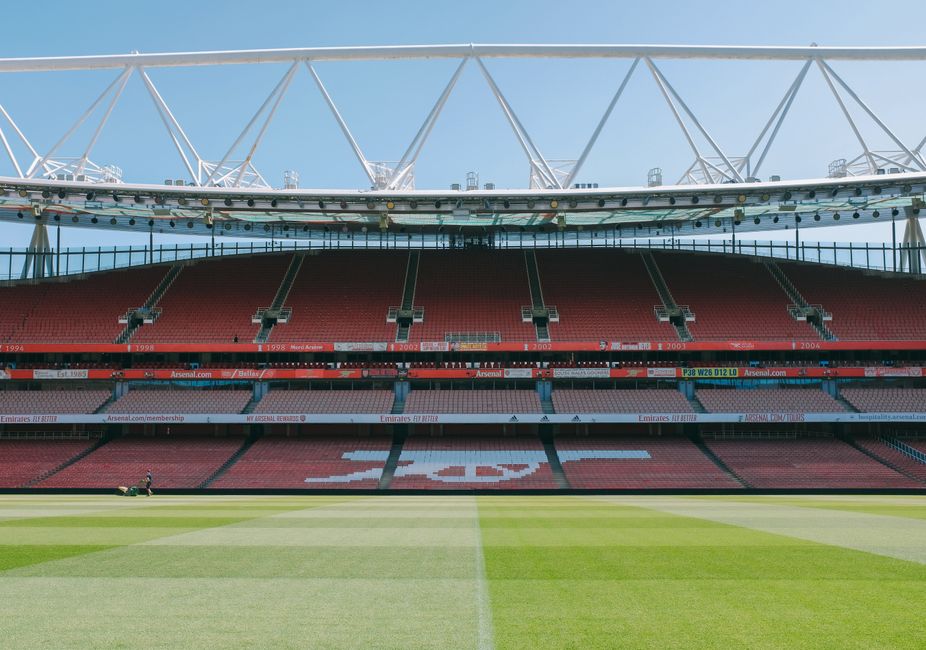
Walk along Clissold Park in Stoke Newington on any given Saturday morning, and you'll witness the quiet revolution reshaping London's sporting landscape. While conversations about Tottenham's new stadium developments and Arsenal's European ambitions dominate sports bars across the capital, it's the smaller venues—the community pitches, local leisure centres, and neighbourhood clubs—that are genuinely transforming how Londoners engage with sport.
The shift reflects a broader pattern emerging across the city's five boroughs. Hackney's Springfield Park has seen participation in grassroots football increase by 34 per cent since 2023, according to local authority data, while Waltham Forest's network of community courts has become a vital hub for young athletes aged 8 to 18. These aren't glamorous venues, but they're where real community happens.
Take Tooting Bec Lido's swimming programme or the thriving badminton leagues operating from Brixton Recreation Centre—venues that operate on modest budgets yet punch well above their weight in terms of social impact. Local tennis clubs across Wimbledon Common and surrounding areas have reported waiting lists of over 200 members, driven largely by neighbourhood initiatives rather than celebrity endorsement.
What makes this particularly significant is how these venues have become anchors during uncertain times. Community centres in Newham and Tower Hamlets have expanded evening and weekend programming specifically to provide safe spaces for young people. Clapham Common's weekend cricket and football fixtures draw crowds of hundreds, creating informal but powerful social networks that extend far beyond sport itself.
Investment patterns tell an important story too. While major stadiums command millions in development funding, local authorities and charitable organisations have quietly been directing resources into upgrading changing facilities, floodlighting playing fields, and funding coaching qualifications for volunteers. Lambeth's three-year investment in neighbourhood athletics clubs has cost under £2 million yet serves over 3,000 regular participants.
The economic argument is equally compelling. Local sports tourism—weekend football tournaments, regional championships, amateur athletics events—generates significant revenue for cafes, pubs, and hospitality businesses in neighbourhoods from Greenwich to Ealing. Families travelling to weekend fixtures spend locally, supporting the broader community ecosystem.
As London prepares for major events and infrastructure developments over the coming years, there's growing recognition that the city's sporting soul isn't defined by iconic stadia alone. It's in the floodlit pitches of Hackney Marshes, the community pools of Southwark, and the neighbourhood clubs where volunteers dedicate countless hours. These are the venues genuinely building something lasting—not just athletic excellence, but genuine community belonging.
This article was compiled by AI from the sources linked above and screened before publishing. See our editorial standards.
Sport
Sport
Sport
Sport
About this article
Published by The Daily London
Spread the word
Daily brief
Free, in your inbox before 7am. Weekdays.
The Daily Network — independent news worldwide