Cape Verde's World Cup Dream Has London's Stadiums Buzzing
As the African nation's historic tournament run captures hearts across the capital, questions mount about how the city's venues could host similar underdog stories.
This article was generated by AI from the linked public sources. The Daily London is independently owned and covers London news free from advertiser or sponsor influence. Read our editorial standards →
The streets around the Tottenham Hotspur Stadium in North London have rarely felt this electric for a nation that isn't even competing on home soil. Yet for weeks now, Cape Verde's improbable World Cup journey has created a palpable energy across the capital, with diaspora communities gathering in pubs from Elephant and Castle to Islington, turning modest viewing parties into celebrations of continental pride.
Cape Verde's path to the tournament—their first ever World Cup appearance—has captivated London's vibrant African communities in ways few expected. The island nation's run through qualifying defied every statistical probability, and as their matches have unfolded, local venues have scrambled to accommodate the surging demand for viewings. The Copper Box Arena in Stratford, typically home to basketball and volleyball, has hosted overflow gatherings, whilst smaller establishments in Peckham and Hackney have become unofficial headquarters for supporters.
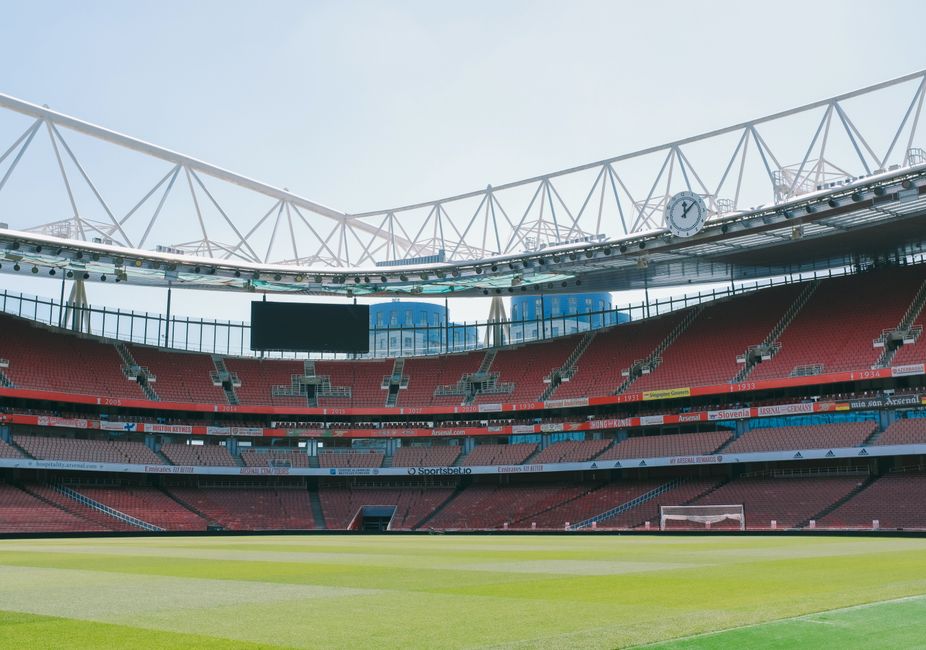
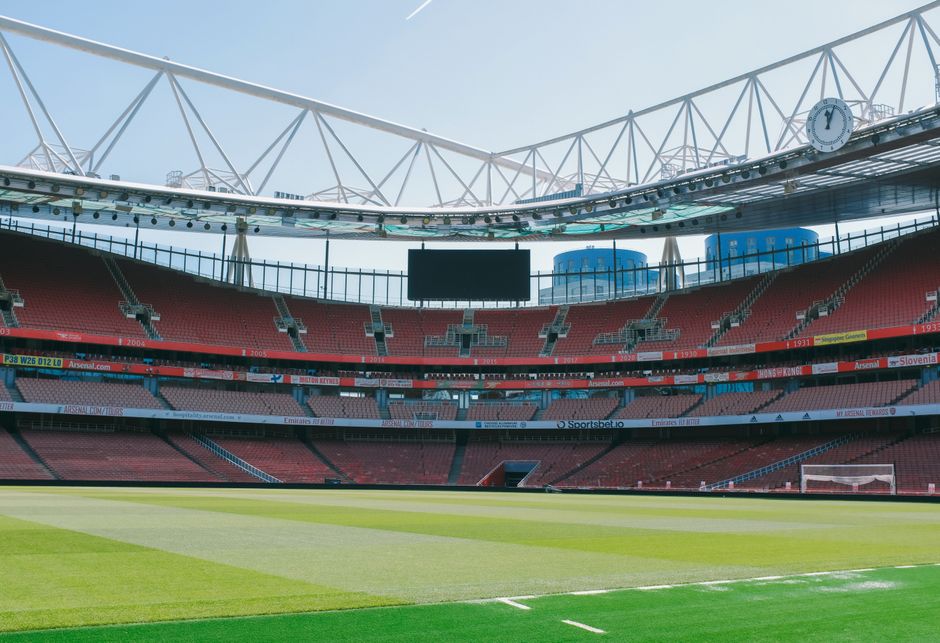
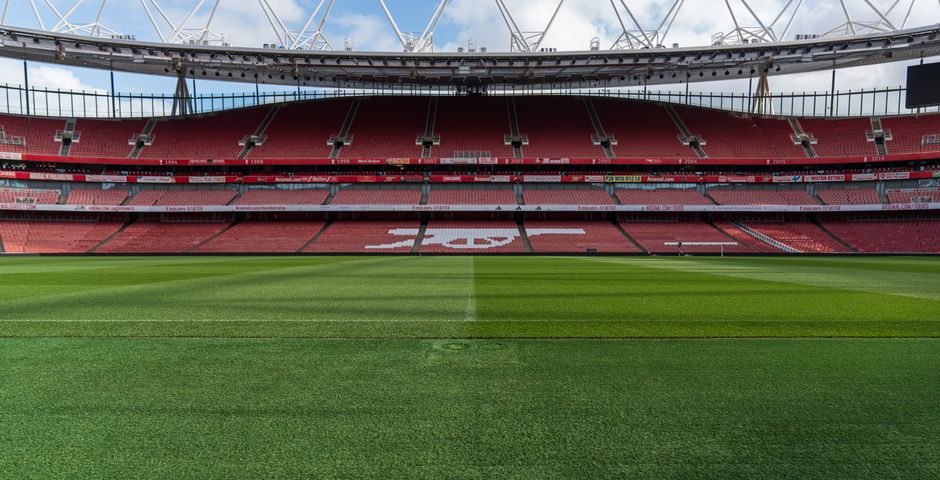
The story has prompted wider conversations about London's sporting infrastructure and its role in nurturing global talent. The capital boasts world-class facilities—the Tottenham Stadium itself cost £1.1 billion and opened in 2019—yet the venues most closely associated with community sport often operate on shoestring budgets. Hackney's Clissold Park, where countless young athletes train, receives a fraction of the investment channelled into elite stadiums. The contrast is stark: whilst the Emirates Stadium in Highbury commands matchday revenues of up to £2 million, grassroots facilities across Newham and Tower Hamlets face ongoing funding shortfalls.
What Cape Verde's moment reveals is that major sporting infrastructure doesn't necessarily predict where the next underdog story emerges. The nation's success has been built on infrastructure and investment far more modest than London's sprawling array of stadiums. Their players developed in modest conditions, yet now they're competing on the world's biggest stage.
For London's sports venues, the Cape Verde effect offers a timely reminder. The Oval in Kennington, Wimbledon in the south-west, and the Tottenham and Arsenal stadiums dominate sporting headlines and investment discussions. But it's the smaller clubs, the community centres, and the municipal pitches that often nurture the talent that surprises the world. Cape Verde's World Cup run, now being celebrated in viewing parties across Brixton, Whitechapel, and beyond, suggests London's sporting future may depend less on its most famous grounds and more on reconnecting elite infrastructure with grassroots development. As the tournament progresses, that conversation grows louder.
This article was compiled by AI from the sources linked above and screened before publishing. See our editorial standards.
Covering sport in London. This article was generated by AI from the linked sources and was not reviewed by a human editor before publishing. See our editorial standards.