Sport
Women's Rugby Club London: Clapham RFC Breaks 40-Year Record
Clapham RFC women's team achieves historic league promotion in South London, drawing record crowds to amateur rugby and inspiring recreational sports across the capital.
3 min read
Sport
Clapham RFC women's team achieves historic league promotion in South London, drawing record crowds to amateur rugby and inspiring recreational sports across the capital.
3 min read
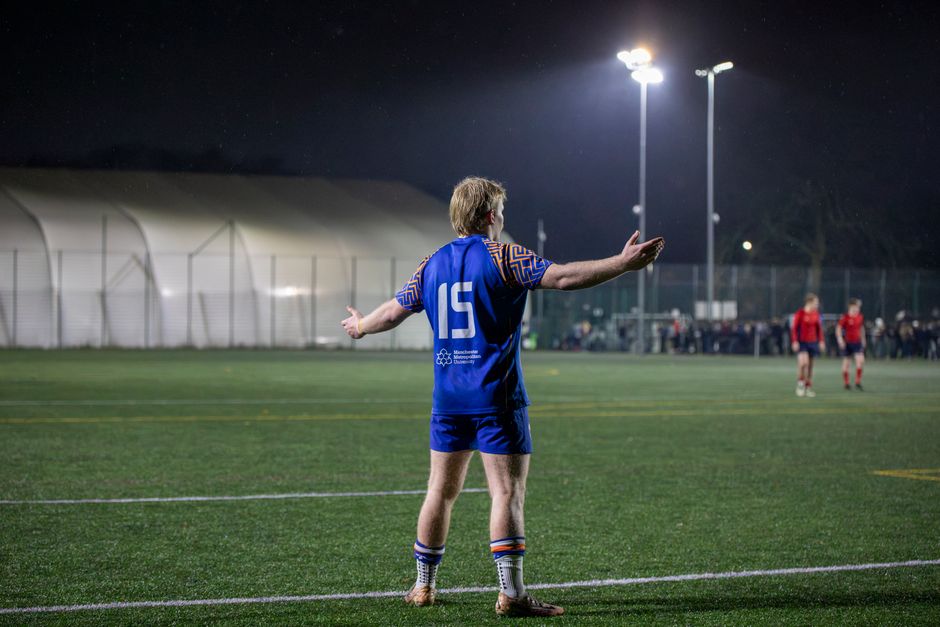
Clapham RFC Women's team has become the unlikely darling of London's amateur sporting calendar, with their recent promotion to the second division of the national league sparking unprecedented interest in recreational rugby across the capital. On Saturday, their final playoff match at the club's ground on Bolingbroke Grove drew 847 spectators—a record for the club's women's programme and a testament to how recreational sport can captivate a community when given visibility and investment.
Founded in 1983, the club spent the majority of its four decades in the fourth division, operating on modest budgets and competing for attention in a city where rugby union has traditionally been dominated by wealthy private schools and elite clubs. Yet over the past three seasons, under a restructured coaching model and renewed emphasis on inclusive recruitment, the team has climbed steadily through the leagues.
What distinguishes this story from typical sporting success is the grassroots momentum. Membership fees have remained deliberately low—£180 annually—keeping the club accessible to players from across South London, from Battersea to Brixton. The club now runs five competitive women's teams, including a development squad that welcomes complete beginners. Weekend training sessions on the Common attract up to 60 participants.
Neighbouring recreational clubs have noticed. Wandsworth Borough Council's sports development team reports a 34% increase in women's rugby inquiries across south-west London since Clapham's promotion was confirmed in May. Other amateur leagues—from the Thames Valley Football League to Brixton Cycling Club—are reportedly examining their own visibility strategies.
The club's success reflects broader shifts in London's recreational sports landscape. Post-pandemic, amateur clubs have learned that community engagement isn't ancillary to sport; it's fundamental. Clapham RFC's social media presence, modest by professional standards, has garnered genuine local investment. Their match-day operations now include commentary from parents, highlight reels edited by volunteers, and a WhatsApp group that doubles as a social organiser and tactical discussion forum.
Yet challenges remain. The promotion means fixtures against clubs in Reading and Bath—requiring travel budgets the club has historically stretched. Sponsorship, currently limited to three local businesses, will be crucial. The committee is exploring grants through Sport England and working with local councillors to secure improved facilities at their ground.
For now, Clapham RFC Women's rise represents something increasingly rare in London's crowded sporting ecosystem: a story where investment in community sport, rather than elite development, has created genuine momentum. Their second-division campaign begins in September.
This article was compiled by AI and screened before publishing. See our editorial standards.
Sport
Sport
Sport
Sport
About this article
Published by The Daily London
Spread the word
Daily brief
Free, in your inbox before 7am. Weekdays.
Before you go
The day's London news in a 2-minute read. Free, weekday mornings.