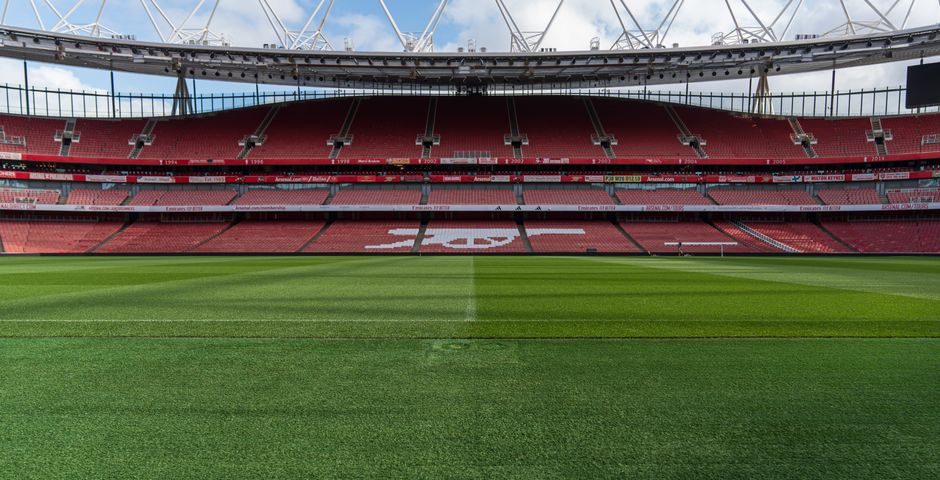
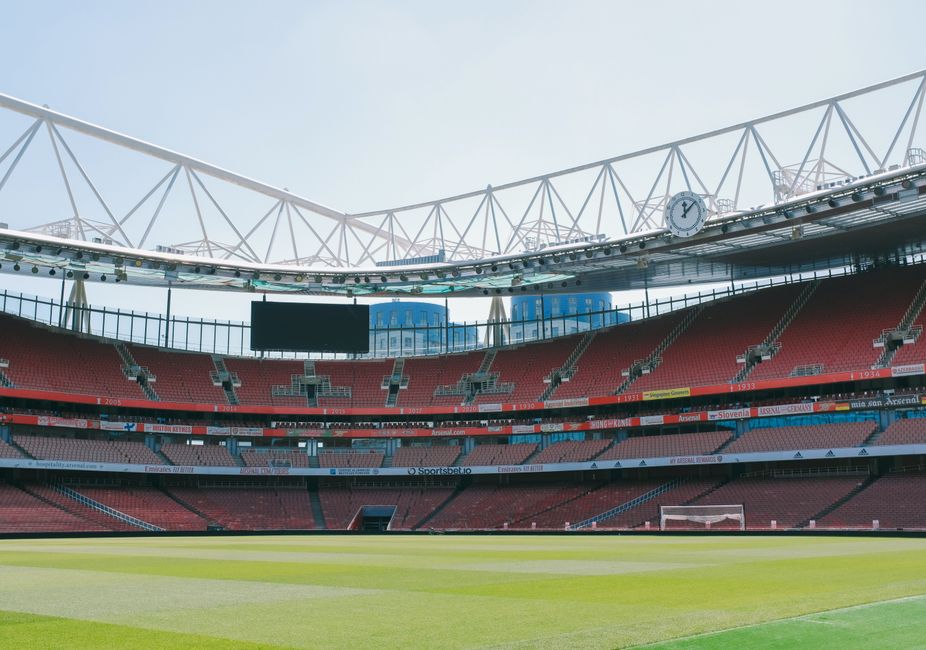
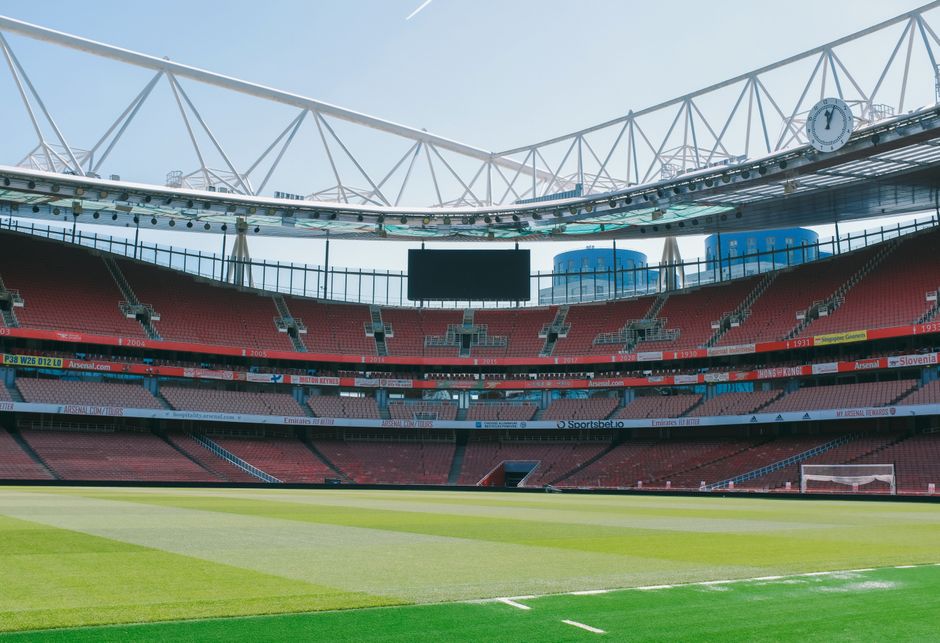
While international media focuses on London's glittering stadiums—the Tottenham Hotspur Stadium in North London, the Olympic Park in Stratford—a quieter revolution has been unfolding across the city's overlooked neighbourhoods. In Hackney, Peckham, and Elephant and Castle, community sports organisations are running the infrastructure that feeds professional talent pipelines, often on budgets that wouldn't cover a single Premier League player's weekly wages.
The story of London's grassroots movement is written not in corporate sponsorships but in the determination of volunteers managing cracked asphalt courts in Clapham Common, floodlit pitches in Newham, and multipurpose facilities across Tower Hamlets. These spaces—many built by local councils in the 1970s and 80s—now serve over 40,000 young Londoners weekly, according to Sport England's latest participation data.
Consider Roundshaw in Croydon, where a single community hub manages football, basketball, and athletics programmes for kids aged 5-18. Annual membership costs £45—a fraction of private club fees—yet the facility has produced athletes competing at county and regional level. Similar stories repeat across Eltham, Brixton, and Whitechapel, where organisations like Laureus Sport for Good and local leisure trusts operate on razor-thin margins.
The paradox is stark: London hosts world-class venues like the Copper Box Arena and Lee Valley Hockey Centre, legacies of the 2012 Olympics, yet many neighbourhood pitches lack basic maintenance budgets. A 2024 survey by the London Sport Foundation found that 67% of grassroots facilities require significant investment, while youth participation in organised sport has declined 8% since 2020.
Yet volunteer coaches and community organisers persist. In Walthamstow, the Waltham Forest Table Tennis Club operates from a converted warehouse, charging £3 per session. In Southwark, street basketball courts along the South Bank have spawned semi-professional players. These aren't footnotes to London's sporting success—they're the foundation.
The real stadium, it seems, isn't built of concrete and steel. It's built daily by volunteers, stretched resources, and communities who understand that sport transforms lives. As major venues pursue profit and prestige, London's grassroots movement remains uncompromising in its mission: to keep sport accessible, local, and genuinely inclusive. That's the headline the corporate world rarely covers—but it's the one that matters most.
This article was compiled by AI from the sources linked above and screened before publishing. See our editorial standards.