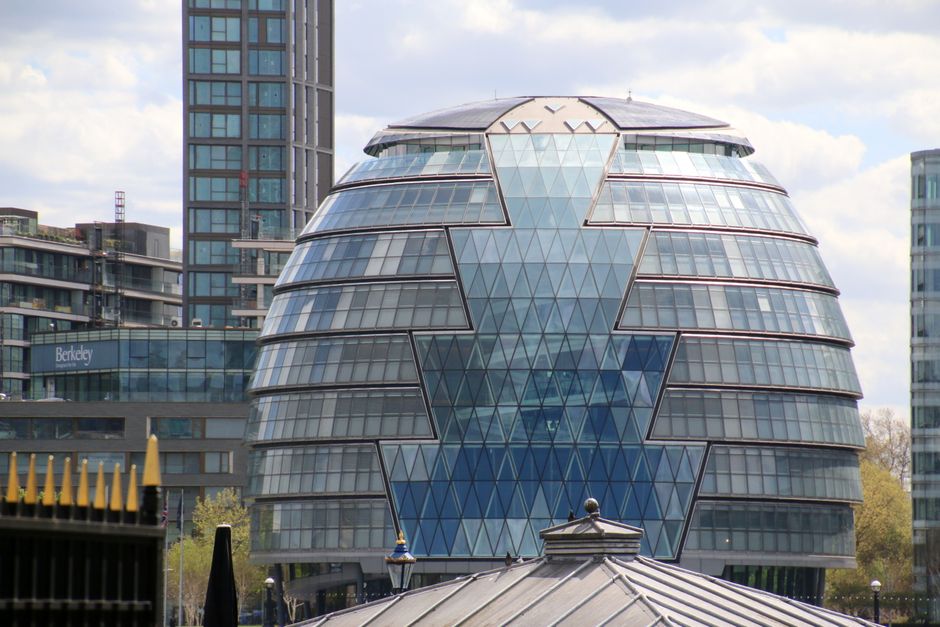
Walk through the glass-fronted office parks of King's Cross or the converted Victorian warehouses of Shoreditch, and you'll spot the visible markers of London's tech dominance: the logos of scale-ups that have become unicorns, the recruitment posters hunting for machine learning engineers, the venture capital firms operating out of converted townhouses in Mayfair. But what truly distinguishes London's innovation ecosystem from San Francisco, Singapore, or Berlin isn't just the infrastructure—it's a constellation of factors that prove stubbornly difficult to replicate elsewhere.
Start with financial infrastructure. London's position as a global financial capital means the city attracts roughly £15 billion in venture capital annually, according to recent industry data. But more importantly, it attracts the *kinds* of investors who understand complex, regulated sectors. Fintech thrives here not despite regulation but because of it. Companies operating out of the East End's tech corridor benefit from proximity to the City, where legacy banking institutions increasingly partner with startups rather than simply compete with them. The FCA's regulatory sandboxes—pioneered in London—have become a template globally.
Then there's talent density. London hosts the UK's largest concentration of STEM professionals, with over 850,000 working across all sectors. The city's universities—Imperial College, UCL, LSE—feed a continuous stream of specialists into the ecosystem, whilst immigration policies favouring skilled workers mean the talent pool is genuinely global. Walk into any Canary Wharf AI lab or Bethnal Green robotics workshop and you'll hear a dozen accents before lunchtime.
What really separates London, though, is institutional diversity. Silicon Valley has venture capital; London has venture capital *and* corporate R&D labs from multinationals, government-backed innovation bodies, academic spin-outs, and heritage companies undergoing transformation. DeepMind in King's Cross, the Alan Turing Institute near the British Library, the sprawling tech corridors along Old Street—these represent different models of innovation operating within close proximity, cross-pollinating ideas. Google, Facebook, and Amazon all maintain significant research operations here, as much for talent acquisition as market presence.
Finally, London benefits from something less quantifiable but increasingly valuable: regulatory courage. The city's approach to crypto, AI oversight, and data governance attracts founders seeking to build legitimately at scale. You cannot simply move fast and break things when operating from London; you must move fast and *build things right*. For certain sectors—fintech, healthtech, AI ethics—this is increasingly the only way that matters.
In a world fragmenting into regional innovation hubs, London's distinctive edge lies not in any single advantage but in this layered ecosystem: financial depth, human capital, institutional variety, and regulatory sophistication working in concert.
This article was compiled by AI from the sources linked above and screened before publishing. See our editorial standards.