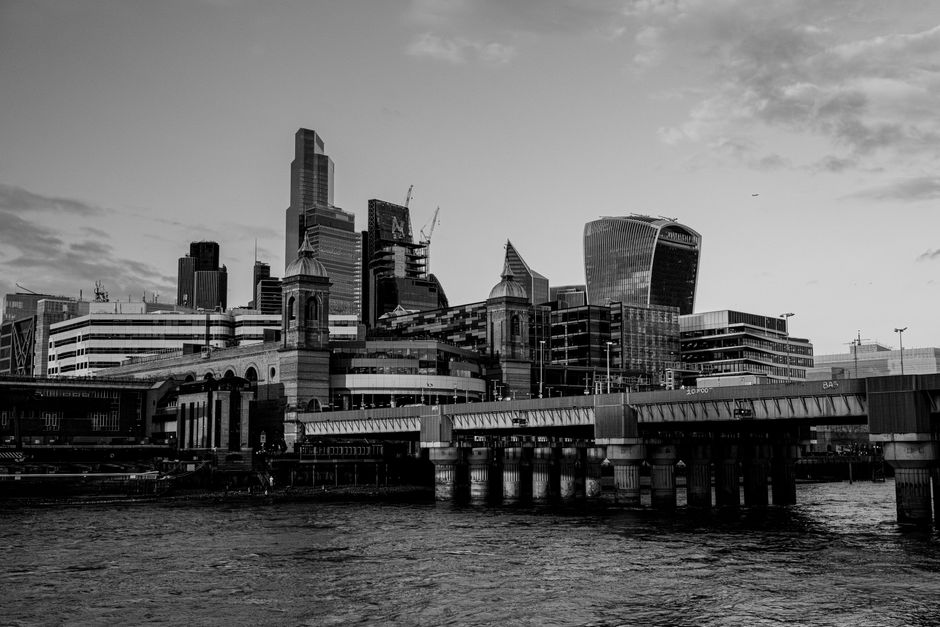
Walk into Notes Coffee on Leather Lane in Clerkenwell on a Tuesday morning, and you'll notice something subtle: the barista knows exactly how busy it will be in twenty minutes. The café's AI system predicts foot traffic based on weather, local events, and historical patterns, allowing staff to prepare accordingly. This isn't anomalous. Across London's neighbourhoods, from Brixton to Bethnal Green, artificial intelligence has woven itself into the fabric of everyday commerce and civic life—often without residents realising it.
The shift is most visible in transport. TfL's upgraded Journey Planner now uses machine learning to anticipate delays on the Central, District, and Northern lines with 87% accuracy, helping the 1.3 million daily commuters shave precious minutes off their journeys. For those navigating Elephant and Castle or King's Cross, real-time AI-powered crowd management systems are reducing congestion by up to 15%, according to transport analysts.
In healthcare, the impact feels more personal. At Barts NHS Trust in Whitechapel, diagnostic AI systems now assist radiologists in identifying early-stage cancers, reducing average detection time from weeks to days. Meanwhile, pharmacies across Hounslow and Richmond are using AI-driven inventory systems to ensure that medication stock matches predicted demand—a practical benefit that's eliminated the frustration of requested drugs being unavailable.
The retail sector has transformed too. Independent bookshops on Charing Cross Road and Borough Market vendors increasingly rely on predictive analytics to order stock. One Soho boutique owner reported that AI-assisted purchasing decisions reduced unsold inventory by 30%, freeing up capital for expansion.
But not everyone celebrates this quietly. Privacy advocates worry about the data collection underpinning these systems. The Information Commissioner's Office has received 247 complaints in Greater London over the past eighteen months regarding AI-driven personal data use—a 34% increase year-on-year.
The technology has also raised employment concerns. Automated customer service systems in restaurants and hotels across Westminster have reduced entry-level positions, though new roles in AI maintenance and monitoring have partly offset losses.
For most Londoners, however, AI remains largely invisible—a helpful ghost in the machine. Whether queuing at a supermarket on Oxford Street, booking a TfL journey, or waiting for a prescription in Lambeth, residents are benefiting from smarter systems designed to anticipate their needs. As 2026 progresses, the question is no longer whether AI will change London—it already has. The question now is whether the city can manage that change fairly.
This article was compiled by AI from the sources linked above and screened before publishing. See our editorial standards.