Why London's Green Tech Ecosystem Is Writing the Rules for the World
From Shoreditch to the South Bank, this city's clean energy innovators are solving problems at scale—and proving that sustainability and profit can thrive together.
3 min read
From Shoreditch to the South Bank, this city's clean energy innovators are solving problems at scale—and proving that sustainability and profit can thrive together.
3 min read
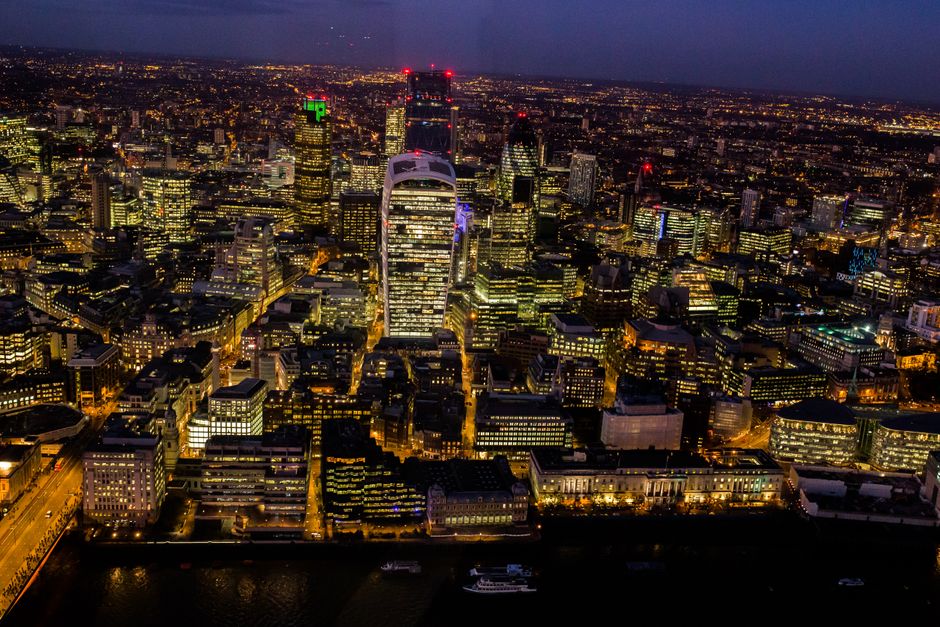
Walk through Shoreditch on any given Tuesday and you'll pass more cleantech startups than traditional ad agencies. It's a seismic shift that has transformed East London's tech culture, but it's not happening by accident. London's distinctive advantage in green technology lies in a convergence of factors that most competing hubs simply cannot replicate: regulatory ambition, academic firepower, venture capital appetite for climate solutions, and a genuine civic commitment to net-zero living.
The numbers tell the story. In 2025, London-based cleantech companies attracted £2.3bn in venture funding—more than any European city and representing 18% of all UK venture capital. That concentration has created something akin to a climate tech monoculture where founders, engineers and investors operate in close proximity. Coding labs along Old Street, accelerator programmes near Borough Market, and corporate innovation hubs scattered across Canary Wharf now form an ecosystem where water technology, carbon capture, renewable energy systems and circular economy solutions are discussed as routinely as mobile apps once were.
What distinguishes London from Silicon Valley or Beijing is the regulatory tailwind. The UK's legally binding commitment to reach net-zero by 2050, coupled with London's mayoral mandate for a zero-carbon city by 2030, creates a natural testing ground. Companies can pilot solutions here with genuine government buy-in. The Greater London Authority's commitment to retrofit 1.5 million homes has already spawned dozens of building-tech firms racing to solve thermal inefficiency at scale.
But regulation alone doesn't explain the ecosystem's dynamism. Imperial College's Grantham Institute and UCL's Energy Institute pump out world-class research while directly feeding talent into nearby startups. This university-to-startup pipeline is unusually frictionless compared to other cities where academic and commercial worlds remain siloed.
The financial architecture matters too. Institutions like the British Business Bank and specialist funds such as Pale Blue Dot Energy have proven willing to back capital-intensive, long-cycle cleantech businesses that traditional venture capitalists shun. That appetite for patient capital is rare globally and has allowed London firms to tackle harder problems: grid-scale battery storage, industrial heat decarbonisation, and sustainable aviation fuels.
For investors and founders globally, London's cleantech ecosystem signals something profound: the future of technology isn't confined to consumer apps or cryptocurrency. It's in solving the existential challenges that cities face. And in 2026, London isn't just participating in that shift—it's writing the playbook.
This article was compiled by AI from the sources linked above and screened before publishing. See our editorial standards.
About this article
Published by The Daily London
Spread the word
Daily brief
Free, in your inbox before 7am. Weekdays.
The Daily Network — independent news worldwide