London's Green Tech Promise Meets Hard Ethical Reality
As the capital races to meet net-zero targets, questions loom over labour practices, mineral extraction and who truly benefits from the clean energy revolution.
2 min read
Updated 2 h ago
As the capital races to meet net-zero targets, questions loom over labour practices, mineral extraction and who truly benefits from the clean energy revolution.
2 min read
Updated 2 h ago
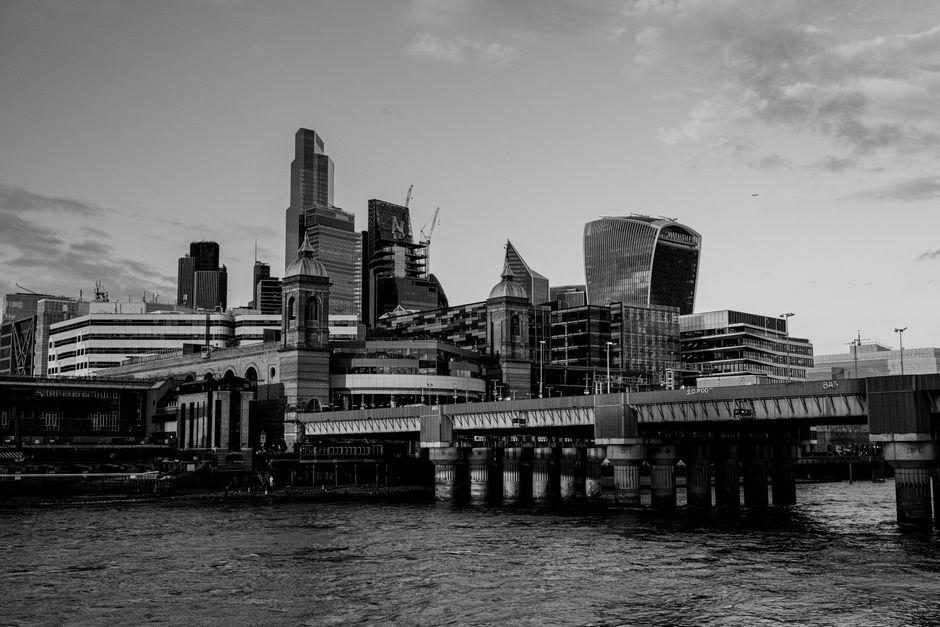
Walk through Shoreditch or King's Cross on any given week and you'll encounter the gleaming promise of London's green tech future: sleek battery startups, renewable energy firms backed by billions, offices pledging carbon neutrality by 2030. The capital has positioned itself as Europe's clean technology hub, with venture capital flowing into sustainable ventures faster than the Thames at flood stage.
Yet beneath this optimistic narrative lies a more complicated reality. The Infrastructure and Projects Authority estimates London needs to retrofit over 2 million buildings to meet the city's 2030 climate targets—a colossal undertaking that raises uncomfortable questions about affordability, displacement and who bears the cost of decarbonisation.
Consider the lithium mining required for London's electric vehicle revolution. While Tesla and luxury EV makers tout zero-emission credentials, the extraction process in South America and Southeast Asia often devastates local water supplies and exploits vulnerable communities. A London-based sustainability consultancy recently reported that cobalt sourcing for battery production frequently involves problematic labour practices—realities that rarely feature in the glossy pitches emerging from venture capital firms clustered around Canary Wharf.
Solar panel recycling presents another murky challenge. London's ambitious rooftop solar installations—particularly in boroughs like Lambeth and Southwark—will eventually require decommissioning. Yet the UK currently lacks adequate infrastructure to responsibly recycle the panels, with much material shipped to developing nations where workers process toxic components without adequate protection.
The gentrification risk is equally stark. Green retrofitting in Hackney, Stratford and other transitional neighbourhoods often precedes sharp rent increases. Residents who've built community roots face displacement when landlords capitalise on energy-efficient upgrades and environmental cachet to attract affluent tenants.
These tensions don't invalidate the necessity of London's green transition—they complicate it. The city's tech sector has proven adept at building solutions, but significantly less interested in interrogating the human and environmental costs of those solutions elsewhere.
Genuine progress requires moving beyond the marketing. It demands transparency about supply chains, investment in ethical extraction standards, and ensuring that London's journey to net-zero doesn't simply export environmental and social damage to countries with weaker regulatory frameworks. The clean energy future is essential. But a future that remains unequal and exploitative simply repackages old injustices in green packaging.
This article was compiled by AI and screened before publishing. See our editorial standards.
About this article
Published by The Daily London
Spread the word
Daily brief
Free, in your inbox before 7am. Weekdays.
Before you go
The day's London news in a 2-minute read. Free, weekday mornings.