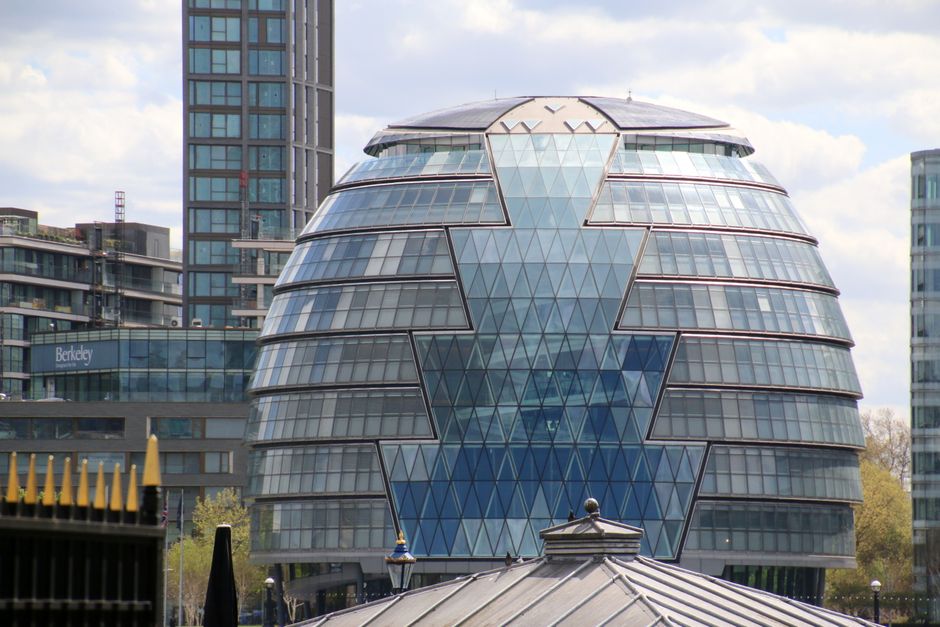
Walk through King's Cross or Canary Wharf and you'll see the future London wants to project: solar panels glinting off regenerated warehouses, electric vehicles humming through gleaming streets, renewable energy pledges adorning corporate glass facades. By 2030, the city aims for a 60% cut in carbon emissions. It's ambitious. It's necessary. It's also, increasingly, complicated.
The renewable energy sector is booming. London's cleantech industry now employs over 45,000 people, with venture capital pouring into startups clustered around Old Street and the Tech City corridor. Yet beneath this glittering narrative lie questions that rarely make it into sustainability reports or investor decks.
Take the lithium and cobalt mining required for battery technology—essential for electric vehicles and grid storage. Most comes from the Democratic Republic of Congo, where labour practices remain deeply troubling, and from lithium-rich regions in Argentina and Chile, where water extraction for processing has devastated local communities. When a Londoner charges their Tesla overnight in Shoreditch, they're participating in a supply chain they likely don't see.
Then there's the social equity problem. London's wealthier boroughs—Kensington, Chelsea, Westminster—have disproportionate access to green retrofit schemes and subsidies. Meanwhile, residents in Newham or Barking, already bearing the worst air quality and highest energy costs, struggle to afford even basic efficiency improvements. Government grants for heat pumps and solar installations favour homeowners over renters, excluding millions from the green transition.
The push for corporate net-zero commitments, meanwhile, has birthed an entire offset industry of questionable merit. Carbon credits, forestry schemes, and renewable energy claims often amount to sophisticated greenwashing—allowing corporations to claim progress while outsourcing their emissions to developing nations.
Even circular economy principles—recycling, reuse, repair—carry hidden costs. E-waste exported from London's recycling centres to West Africa and South Asia often ends up poisoning communities rather than genuinely recovering materials. The tech that promises to save the planet frequently exports its consequences to those least responsible for causing the climate crisis.
London's cleantech sector isn't wrong to be optimistic. But maturity means acknowledging hard truths: that our green future cannot be built on the backs of invisible workers, that carbon accounting tricks fool no one except ourselves, and that unless we centre justice alongside emissions reductions, we're simply designing a greener version of inequality. Real sustainability isn't a startup pivot—it's systemic transformation.
This article was compiled by AI from the sources linked above and screened before publishing. See our editorial standards.