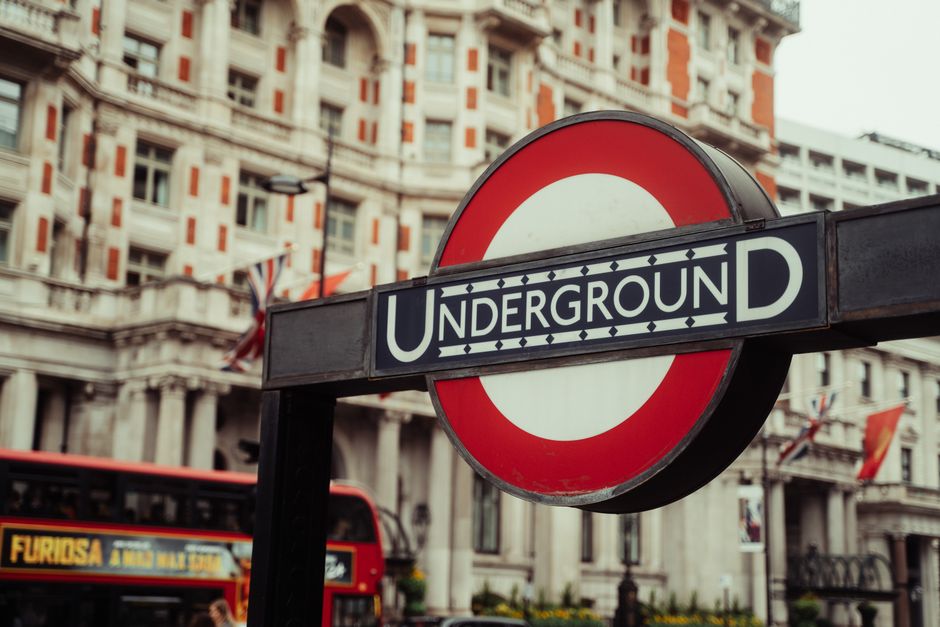
Sleep deprivation has become the unofficial badge of London living. Between demanding work schedules, the constant hum of the city, and endless screen notifications, many of us are operating on far less rest than our brains require. But emerging research is reshaping how we understand sleep's role in overall wellness—and it's far more critical than previously thought.
Recent studies published by the Sleep Research Society reveal that chronic sleep deficit directly impairs cognitive function, immune response, and metabolic regulation. For Londoners managing demanding careers across the City, Canary Wharf, and beyond, this isn't theoretical. The British Sleep Society has documented a 34% increase in sleep-related consultations since 2023, with GPs across NHS trusts reporting surge in referrals to sleep clinics.
The science is clear: our bodies operate on circadian rhythms—biological cycles governed by light exposure and consistent routines. Research from King's College London's Sleep Lab demonstrates that irregular sleep schedules disrupt these rhythms more severely than simple sleep deprivation alone. This explains why weekend lie-ins, common among Londoners trying to catch up, often leave us feeling worse. Our bodies crave consistency.
Environmental factors matter too. Studies show that even minimal light pollution disrupts melatonin production. Residents near busy areas like King's Cross, Victoria, or around the Thames embankments often struggle with street lighting penetration. Installing blackout solutions costs £30-80 for basic options, yet research suggests this alone can improve sleep quality by 23%.
Temperature regulation is equally crucial. Optimal sleep occurs at 16-18°C; London's increasingly warm summers challenge this naturally. Strategic use of cotton bedding and cooling pillows isn't luxury—it's backed by sleep physiology research.
Digital wellness is perhaps the most actionable insight. Neuroscience research confirms that blue light from phones suppresses melatonin production up to 90 minutes before sleep. Yet most Londoners scroll whilst in bed. Establishing a 60-minute device-free window before sleep consistently improves sleep onset by 15-20 minutes.
London's active lifestyle culture offers unexpected sleep benefits. Regular exercise, whether through Royal Parks running routes or cycling along the expanding superhighways, deepens sleep architecture—particularly REM and deep sleep stages crucial for memory consolidation and emotional regulation.
The pandemic accelerated sleep science into mainstream consciousness, yet many remain unaware of practical applications. Your GP can refer you to NHS sleep services; private clinics around Harley Street offer sleep studies if you suspect sleep disorders like apnoea.
The emerging consensus is simple: quality sleep isn't indulgent. It's foundational biology. London's pace demands we treat it accordingly.
This article was compiled by AI from the sources linked above and screened before publishing. See our editorial standards.