Wellness
The Rise of Outdoor Boot Camps: What to Expect
From Clapham Common to Greenwich Park, London's explosive growth in high-intensity group fitness is reshaping how locals exercise—and what it costs.
2 min read
Updated 8 h ago
Wellness
From Clapham Common to Greenwich Park, London's explosive growth in high-intensity group fitness is reshaping how locals exercise—and what it costs.
2 min read
Updated 8 h ago
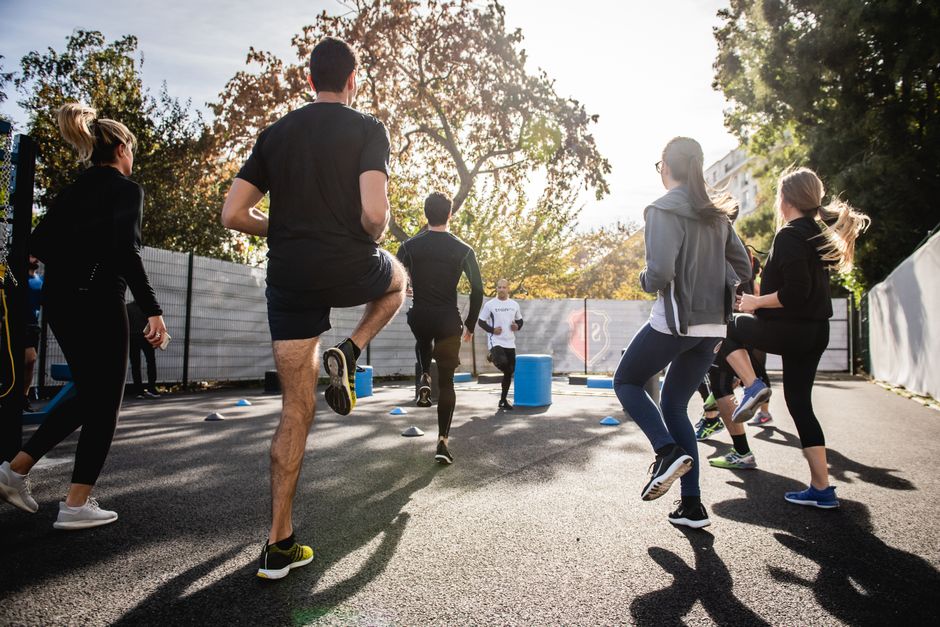
Walk through any London park on a Tuesday or Thursday evening, and you'll spot them: clusters of people in bright trainers, moving through burpees and mountain climbers under the open sky. Outdoor boot camps—structured, high-intensity group fitness sessions run in public spaces—have evolved from niche offerings into a defining feature of London's wellness landscape.
The numbers back this shift. According to UK Active's 2025 report, outdoor fitness participation jumped 34% post-pandemic, with London accounting for nearly a quarter of all new registrations. What began as a pandemic necessity has become a permanent fixture, with operators now running sessions across Regent's Park, Clapham Common, Battersea Park, and Greenwich Park almost daily.
So what exactly are you signing up for? Most boot camps run 45–60 minutes, combining cardio bursts with resistance work using minimal equipment: bodyweight, dumbbells, resistance bands, and occasionally TRX straps. Instructors typically scale exercises for different fitness levels, meaning beginners and athletes train side-by-side. Sessions usually cost £12–18 per class, with 10-class packages around £120–150. Several operators, including those running through the Royal Parks' Community Partners scheme, offer subsidised spots for NHS staff and those on lower incomes.
The appeal extends beyond fitness. London's boot camp community has become socially anchored. Many participants stay post-session for coffee at nearby cafés or join WhatsApp groups that coordinate weekend runs along the Thames Path or cycling routes via the expanding superhighways. For professionals juggling demanding jobs and spotty GP access, it's a peer-led health intervention that feels less clinical than a gym.
First-timers should arrive 10 minutes early, wear supportive trainers, and bring water. Most operators provide modification guidance—don't assume you'll be left floundering. The social pressure is genuine but rarely aggressive; the community culture in London parks tends toward encouragement over intimidation.
A few caveats: outdoor fitness remains weather-dependent, and summer heatwaves (increasingly common) can make high-intensity outdoor exercise risky. Check instructor credentials—the PT Standards UK directory helps verify qualifications. And while group sessions offer motivation, they're not personalised; those with pre-existing joint concerns should consult their GP before starting.
Boot camps represent something broader about London wellness in 2026: a shift toward accessible, community-centred fitness that doesn't require expensive memberships or indoor commutes. For those ready to join, the parks are waiting.
This article was compiled by AI from the sources linked above and screened before publishing. See our editorial standards.

Wellness

Wellness

Wellness

Wellness
About this article
Published by The Daily London
Spread the word
Daily brief
Free, in your inbox before 7am. Weekdays.
The Daily Network — independent news worldwide