Wellness
Sleep revolution: how London is finally taking rest seriously
From sleep clinics in Harley Street to wind-down wellness classes across the capital, the city's wellness culture is shifting focus from hustle to recovery.
2 min read
Wellness
From sleep clinics in Harley Street to wind-down wellness classes across the capital, the city's wellness culture is shifting focus from hustle to recovery.
2 min read
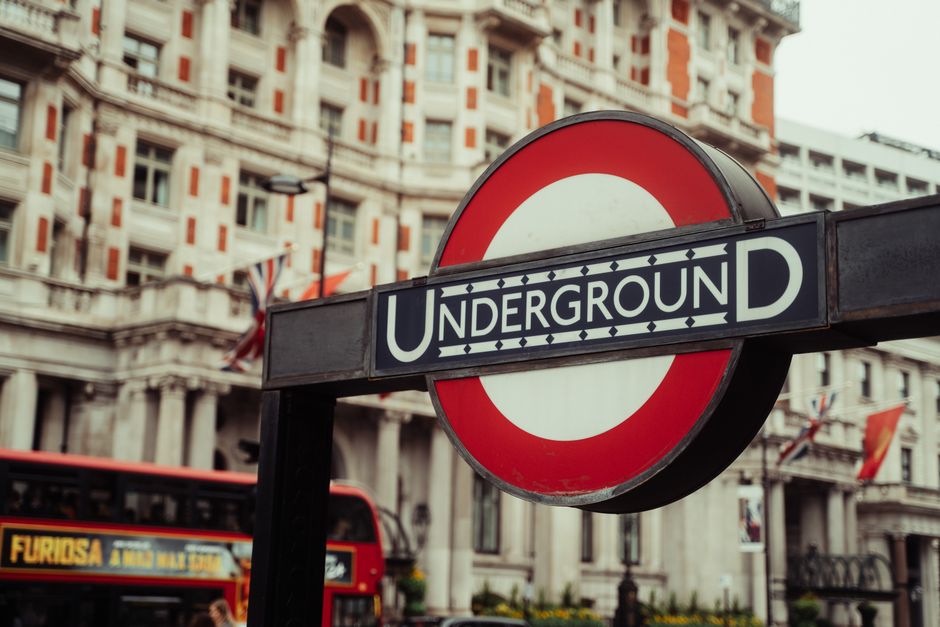
For years, London's wellness scene has celebrated the grind: early morning gym sessions in Shoreditch, lunchtime spin classes in Canary Wharf, evening yoga in Covent Garden. But something has shifted. Sleep—proper, intentional sleep—is now the city's most coveted wellness achievement.
The change is visible across neighbourhoods. Private sleep clinics have opened on Harley Street, joining established NHS sleep services that handle referrals through local GP practices. Wellness studios from Bethnal Green to Battersea now offer "sleep hygiene" workshops alongside their HIIT classes. Last month, a boutique sleep-focused retreat opened near Hampstead Heath, featuring weighted blankets, blackout facilities, and circadian rhythm coaching at £250 per session.
"We're seeing a genuine reset in how Londoners approach wellbeing," says the Sleep Foundation UK, which has documented a 40% increase in sleep-related wellness inquiries from the capital since 2024. The shift follows years of burnout culture and the mental health awareness that's become embedded in London's consciousness—recognition that recovery isn't laziness, it's essential infrastructure.
The trend has practical roots. Transport for London's investment in better cycling infrastructure and expanded night buses has given commuters more recovery time. Parkrun, which originated in Bushy Park and now spans across the city's Royal Parks network, has shifted its messaging from competitive running to inclusive morning routines—many participants cite better sleep quality as a secondary benefit. Even the NHS, through local integrated care boards, has expanded sleep clinics with shorter waiting times than five years ago.
Neighbourhood-level changes are visible too. Coffee shops across King's Cross and Bloomsbury now advertise caffeine cutoff times. Gyms in Richmond and Clapham have introduced "restorative" evening classes—gentle movement designed for wind-down rather than performance. The Evening Standard's wellness coverage increasingly features sleep-focused features, reflecting reader demand.
Price points remain mixed. Free resources—NHS sleep clinics, local council-funded meditation apps, Parkrun's no-fee model—sit alongside premium offerings. But the democratisation is real: sleep podcasts, blackout curtains from high street retailers, and wind-down playlists are accessible across income levels.
London's embrace of sleep wellness reflects a maturing understanding: this city runs on people, not just productivity. Recovery isn't a luxury—it's the foundation. Whether you're accessing an NHS sleep clinic through your local GP or experimenting with sleep hygiene techniques at home, the message resonating across London's neighbourhoods is the same: rest is finally respectable.
This article was compiled by AI from the sources linked above and screened before publishing. See our editorial standards.
Wellness

Wellness
Wellness
Wellness
About this article
Published by The Daily London
Spread the word
Daily brief
Free, in your inbox before 7am. Weekdays.
The Daily Network — independent news worldwide