Wellness
The Daily Routines Keeping London's Over-60s Mobile and Strong
From Richmond Park loops to stair-climbing on the Jubilee line, locals reveal the unglamorous habits that actually preserve movement and independence.
3 min read
Updated 1 h ago
Wellness
From Richmond Park loops to stair-climbing on the Jubilee line, locals reveal the unglamorous habits that actually preserve movement and independence.
3 min read
Updated 1 h ago

At 64, Margaret from Clapham starts each morning the same way: she walks to her local Waitrose rather than taking the bus. The 20-minute round trip—up Abbeville Road and back—isn't exercise, she insists. It's just how she lives. Yet this small, habitual movement is precisely what gerontologists now call the cornerstone of active ageing, and it's a pattern repeated across London's neighbourhoods among people successfully maintaining mobility into their 70s and beyond.
Unlike gym memberships or structured fitness plans, the most durable wellness habits among London's senior population tend to be embedded into daily life. Parkrun UK, which operates in over 30 London locations including Battersea Park, Hampstead Heath, and Greenwich Park, reports that participants aged 60+ now account for roughly one in five attendees. Most describe the 5km walk or run not as exercise, but as their Saturday ritual—a social anchor that happens to keep them moving.
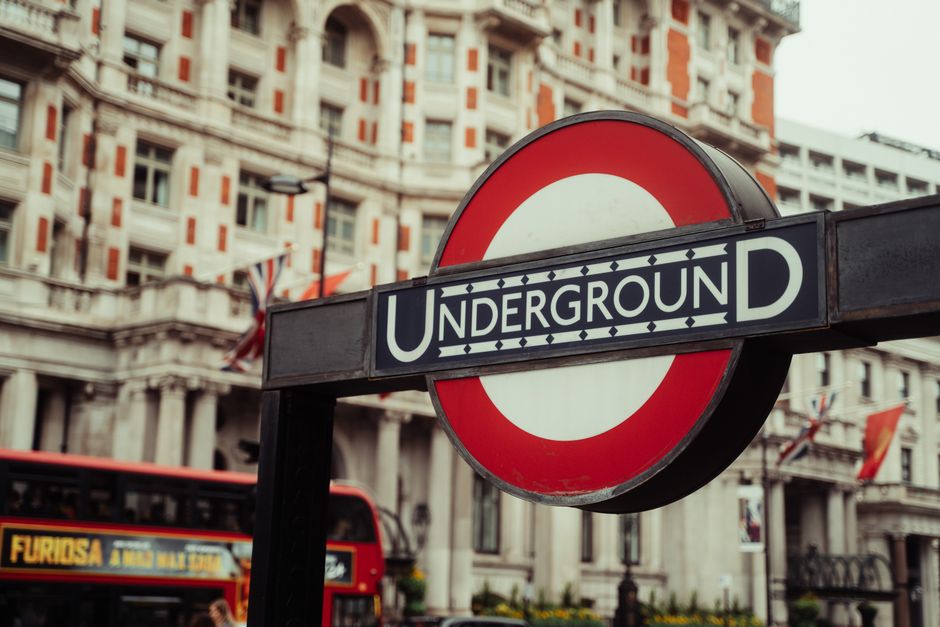
The NHS's Active Ageing scheme, promoted through GP surgeries across the capital, highlights less glamorous practices: using stairs when lifts are available, standing during Tube journeys, and breaking up sitting time every 30 minutes. Research from King's College London suggests older adults who accumulate movement throughout the day—rather than exercising intensely once weekly—show better preservation of leg strength and balance, reducing fall risk by up to 40 percent.
In South London's quieter streets and along the Thames Path from Kew to Richmond, regular walkers often become unofficial custodians of their routes, noticing seasonal changes and building acquaintance with regular faces. This social element appears crucial. A 2025 study indicated that older Londoners who walk or cycle as part of a community—whether formal groups or habitual encounters—show significantly better adherence to active routines than those exercising alone.
Cost remains practical. A Travelcard for older Londoners costs £35 for four weeks of unlimited bus and Tube access, enabling cheap access to destinations like Regent's Park or the Capital Ring walking route. Many seniors use this not to sit at destinations, but to walk between them.
The consistent thread among those maintaining mobility is unglamorous consistency. Small, repeated movements—climbing the stairs to Waterloo station, walking to meet friends in Soho, standing while waiting—accumulate into the 150 minutes of moderate activity weekly that health bodies recommend. Not as special events, but as how life happens to be lived.
For personalised advice on starting an active ageing routine, consult your local NHS GP or visit the Active Ageing hub through your borough's health services.
This article was compiled by AI from the sources linked above and screened before publishing. See our editorial standards.

Wellness
Wellness

Wellness
Wellness
About this article
Published by The Daily London
Spread the word
Daily brief
Free, in your inbox before 7am. Weekdays.
The Daily Network — independent news worldwide