Wellness
Sleep in the City: Evidence-Based Tips That Actually Work for London Living
From managing the District Line's early rumble to timing your Hyde Park runs, here's what science says really helps Londoners rest better.
3 min read
Wellness
From managing the District Line's early rumble to timing your Hyde Park runs, here's what science says really helps Londoners rest better.
3 min read
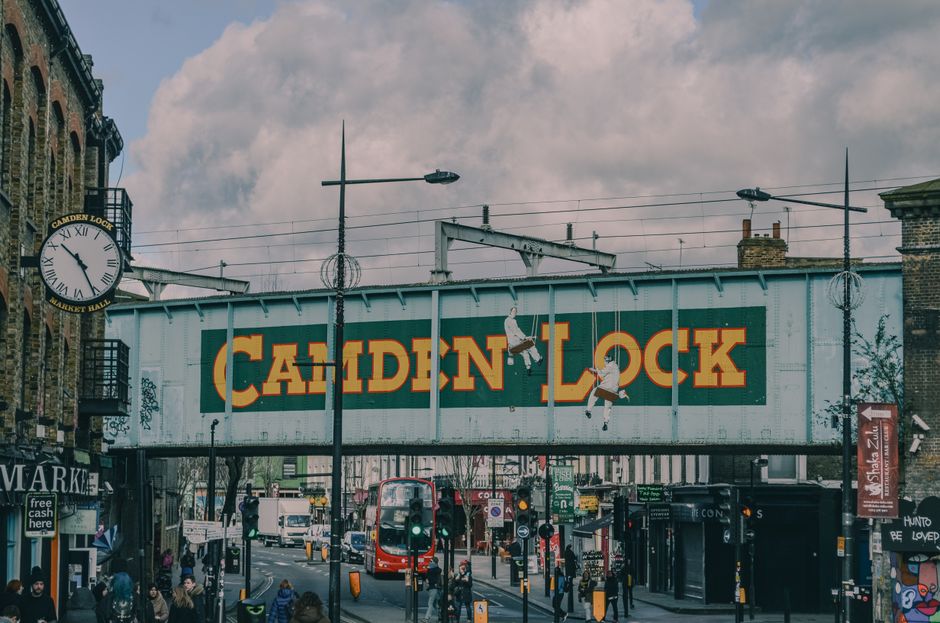
London's 24-hour energy comes at a cost. Transport for London data shows the Northern Line runs its first trains at 5:23am, while night buses keep many of us awake well past midnight. Yet sleep deprivation affects roughly 36% of UK adults, according to recent NHS figures—and our city's unique conditions demand tailored solutions.
The evidence is clear: consistency matters more than duration. Sleep researchers at King's College London have found that maintaining the same bedtime and wake time—even on weekends—improves sleep quality by up to 20%. For those commuting from zones 3 and 4, this means building your schedule around travel time rather than fighting it. Start your wind-down an hour before your target sleep time, not 15 minutes.
Light exposure is your most powerful lever. London's summer brightness extends until 9pm, which suppresses melatonin production. The solution isn't expensive blackout blinds; it's strategic timing. Morning runs at Regents Park or cycling along the Paddington Green superhighway—even 20 minutes—resets your circadian rhythm more effectively than evening gym sessions. Parkrun UK's free Saturday 5km events across London boroughs offer both light exposure and social connection, both proven sleep enhancers.
Temperature control is underrated but measurable. Your bedroom should sit between 16-19°C for optimal sleep, according to sleep physiologist research. London's Victorian terraces and modern flats retain heat differently; understanding your specific space matters more than generic advice. Opening windows during London's cooler evening hours (typically 8-10pm) costs nothing and works.
The caffeine window extends further than most realise. Studies show caffeine consumed after 2pm disrupts sleep in 50% of people. For those grabbing an afternoon coffee at Pret locations across the City or near Liverpool Street, that 3pm espresso is likely sabotaging your 11pm bedtime. Switch to herbal tea—increasingly available at London's independent cafes—or simply stop earlier.
Screen time deserves nuance. Rather than banning phones, use your device's blue light filter from 8pm onwards. It's free and evidence-backed. More importantly, stop work emails by 7pm; London's work culture often bleeds into evenings, keeping your nervous system activated.
Finally, address daytime stress—the real culprit for many. London's mental health services through your local GP practice offer cognitive behavioural therapy for insomnia (CBT-I), often available free on the NHS. It outperforms sleeping pills in long-term studies.
Sleep isn't luxury in London; it's infrastructure. Build it accordingly.
This article was compiled by AI from the sources linked above and screened before publishing. See our editorial standards.

Wellness

Wellness
Wellness
Wellness
About this article
Published by The Daily London
Spread the word
Daily brief
Free, in your inbox before 7am. Weekdays.
The Daily Network — independent news worldwide