Wellness
From takeaway nights to farmers' markets: How Londoners are transforming their health through local food
Three neighbourhoods, three stories of how accessible, community-centred eating is changing lives across the capital.
2 min read
Wellness
Three neighbourhoods, three stories of how accessible, community-centred eating is changing lives across the capital.
2 min read
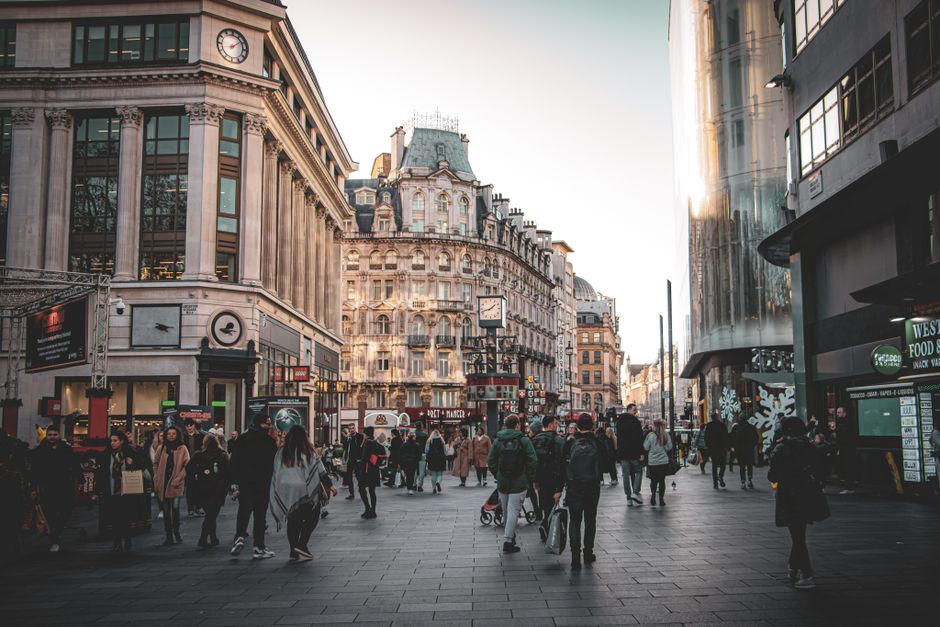
When the Evening Standard Food Survey revealed last year that over 60% of Londoners struggle to maintain consistent healthy eating habits, the barriers weren't mysterious: cost, time, and knowing where to start. Yet across the capital, quiet transformations are happening—not through expensive wellness programmes, but through hyperlocal food communities and accessible neighbourhood initiatives.
In Hackney, the Dalston CLR James Library's twice-weekly food swap has become a hub for residents sharing surplus vegetables from community gardens on Springfield Park. Participants report spending 30% less on produce while discovering seasonal eating patterns that align with local growing cycles. The scheme costs nothing to join, reflecting the economic reality facing many Londoners managing nutrition on tight budgets.
Meanwhile, over in Lambeth, the extensive network of markets—from Vauxhall's weekend farmer's stall to Borough Market's smaller vendors—has catalysed shifts in how residents approach weekly shopping. Unlike chain supermarkets charging £2.50+ for organic tomatoes, local growers along the South Bank supply the same produce at £1.20 per pound. Several residents participating in Lambeth Council's community health initiative report that proximity to transparent pricing and grower relationships fundamentally changed their purchasing decisions.
The Chelsea and Westminster NHS GP practice recently partnered with nearby Portobello Road Market vendors to create a "food as medicine" pilot. By connecting patients with nutrition-focused market education, the practice documented improved blood pressure readings and reduced reliance on certain medications within six months—a modest but meaningful outcome suggesting environment shapes behaviour more powerfully than generic dietary advice.
What these stories share is accessibility. Unlike trendy wellness culture centred on Knightsbridge boutiques, these transformations happen on King's Road in Chelsea, around Ridley Road Market in Hackney, and through Vauxhall's accessible community organisations. The Common Good Food Partnership, operating across south London, charges £5 per week for structured nutrition sessions paired with budget shopping tours—deliberately pitched below commercial rates.
Food transformation doesn't require subscription apps or personal nutritionists. In London, it increasingly means discovering what's already planted in your neighbourhood: the weekend markets, community gardens, food swaps, and NHS-backed initiatives making healthy eating genuinely local.
Speak with your GP or local community centre to find nutrition-focused groups in your area.
This article was compiled by AI from the sources linked above and screened before publishing. See our editorial standards.

Wellness

Wellness
Wellness
Wellness
About this article
Published by The Daily London
Spread the word
Daily brief
Free, in your inbox before 7am. Weekdays.
The Daily Network — independent news worldwide