Wellness
Why Your London Yoga Practice Needs Evidence-Based Tweaks for Urban Life
From managing commute stress to adapting poses for cramped flats, here's what science says actually works for Londoners.
2 min read
Wellness
From managing commute stress to adapting poses for cramped flats, here's what science says actually works for Londoners.
2 min read
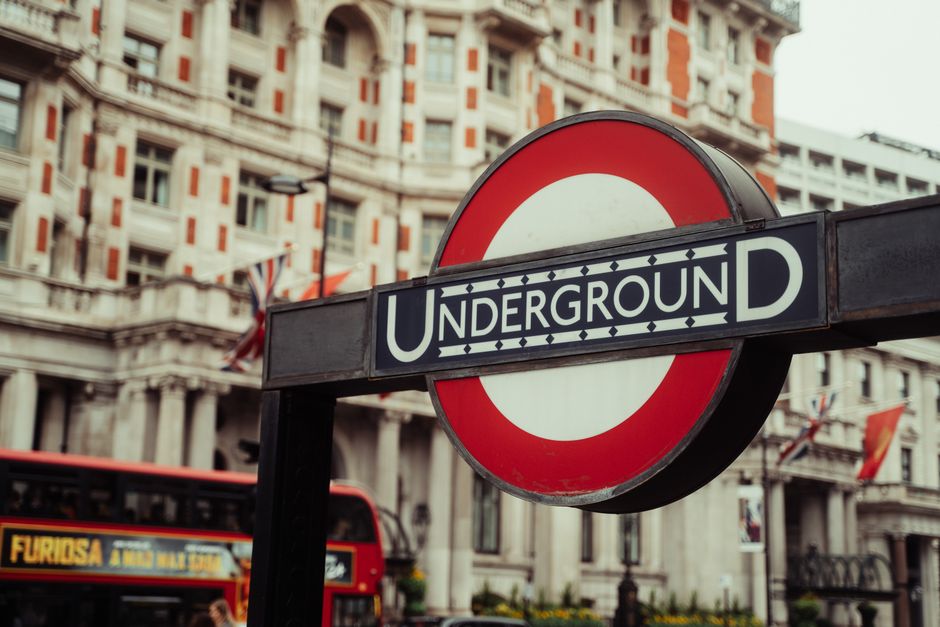
Yoga studios have flourished across London—from Clapham to Canary Wharf—but many practitioners skip a crucial step: tailoring their practice to the specific stressors of urban life. Recent research suggests that generic yoga advice often misses the mark for Londoners battling chronic commute anxiety, poor air quality, and space constraints.
The first evidence-based adjustment concerns timing and consistency. A 2024 study from King's College London found that yoga practitioners who scheduled sessions around their peak stress windows—typically Tuesday to Thursday mornings before the working week intensifies—showed 31% greater cortisol reduction than those practising weekends only. If you commute via the Northern or Central lines, a 20-minute practice before 7am may be more effective than a weekend class in managing accumulated travel stress.
Space constraints are real in London. Rather than forcing full sun salutations in a studio-sized space, evidence supports modified chair-based and wall-supported sequences for home practice in studio flats around areas like King's Cross or Bethnal Green. The British Journal of Sports Medicine (2023) confirmed that abbreviated, space-efficient routines maintain similar psychological benefits to full-length classes when practised consistently—the key being regularity, not studio aesthetics.
Air quality is another overlooked factor. The Greater London Authority's 2025 air quality report highlighted that outdoor yoga in parks like Regent's Park or along the Thames Path is preferable on low-pollution days (check the London Air Quality Network), but on poor air days, indoor practice—particularly in studios with HEPA filtration—becomes medically sensible rather than a lifestyle compromise.
Meditation depth matters too. London's ambient noise (average 65-75 decibels) can interfere with mindfulness. Research from City University suggests that using white noise apps or earplugs during meditation increases measurable attention improvements by up to 40% compared to unmanaged soundscapes. This is especially relevant for practitioners in central areas near major roads.
Finally, social accountability works. Free community yoga groups through the Parkrun network and local NHS leisure centres in boroughs like Hackney and Wandsworth show higher consistency rates (67% attend regularly) than private studios, possibly because peer commitment reduces London's notorious last-minute cancellations.
The evidence is clear: yoga's benefits aren't diminished by London's peculiar demands—they're simply optimised differently. The best practice isn't the most expensive one; it's the one you'll actually do, tailored to your actual life.
This article was compiled by AI from the sources linked above and screened before publishing. See our editorial standards.

Wellness

Wellness
Wellness
Wellness
About this article
Published by The Daily London
Spread the word
Daily brief
Free, in your inbox before 7am. Weekdays.
The Daily Network — independent news worldwide