Wellness
How to start a walking group in your neighbourhood
From securing a route to building momentum, here's everything you need to know about launching a community walking initiative in London.
3 min read
Updated 6 h ago
Wellness
From securing a route to building momentum, here's everything you need to know about launching a community walking initiative in London.
3 min read
Updated 6 h ago
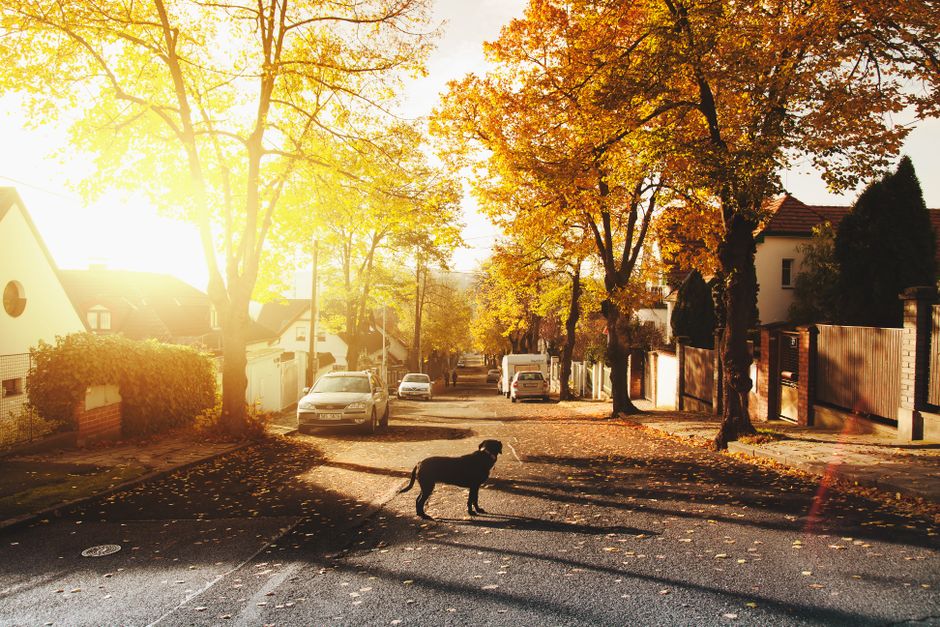
Walking groups have become one of London's most accessible wellness trends. Parkrun, which started as a free 5km timed run in Bushy Park in 2004, now operates 200+ events across the capital every Saturday morning. But you don't need formal infrastructure to create something meaningful in your own street. Starting a neighbourhood walking group requires minimal investment and can transform how residents connect with both their environment and each other.
Begin by identifying your audience and route. A 45-minute loop around your local area works best—long enough to feel purposeful, short enough not to exclude older walkers or those with time constraints. If you're in zones like Clapham, Hackney, or Putney, consider anchoring your walk around established landmarks: the Commons offer natural endpoints, while canal towpaths (Grand Union, Regents) provide flat, scenic alternatives. Use free mapping tools like Komoot or AllTrails to plot distance and gradients, then walk it yourself multiple times to note hazards, uneven pavements, or steep sections.
Registration matters less than visibility. Post flyers at local community centres, GP surgeries, and libraries—the NHS actively promotes social prescribing, and many GPs now recommend group walking for cardiovascular and mental health. Create a simple WhatsApp or Nextdoor group; both platforms have proven effective for neighbourhood mobilisation across London. Set a consistent day and time: Tuesday mornings at 9:30am or Thursday evenings at 6:45pm work well, avoiding school run chaos and evening rush hour.
Keep it inclusive. Walking groups thrive when there's no pressure to keep pace. Establish a no-drop policy where faster walkers loop back, or split into two groups—a brisk 5km and a leisurely 3km circuit. Cost zero; refreshment costs can be voluntary. Some groups meet at a café beforehand (a Clapham High Street coffee spot might sponsor you after a few weeks of regular custom).
London's expanding cycling superhighways and Royal Parks infrastructure mean your neighbourhood likely has untapped pedestrian potential. Wandsworth Council and Hackney Council both support community health initiatives and may provide small grants or promotional support if you register formally through their leisure services.
Start small—five committed walkers beats twenty fair-weather participants. After six weeks, you'll know if it's sustainable. Many neighbourhood groups find their groove and naturally grow to 20–30 regular members within months. You're not building a fitness machine; you're creating a reason for people to step outside, move together, and know their neighbours better.
This article was compiled by AI from the sources linked above and screened before publishing. See our editorial standards.
Wellness

Wellness
Wellness

Wellness
About this article
Published by The Daily London
Spread the word
Daily brief
Free, in your inbox before 7am. Weekdays.
The Daily Network — independent news worldwide