Wellness
The London Sleep Solution: Evidence-Based Tips That Actually Work for Local Conditions
From managing air quality on the North Circular to timing your Regent's Park run, here's how to optimise rest in the capital.
2 min read
Wellness
From managing air quality on the North Circular to timing your Regent's Park run, here's how to optimise rest in the capital.
2 min read
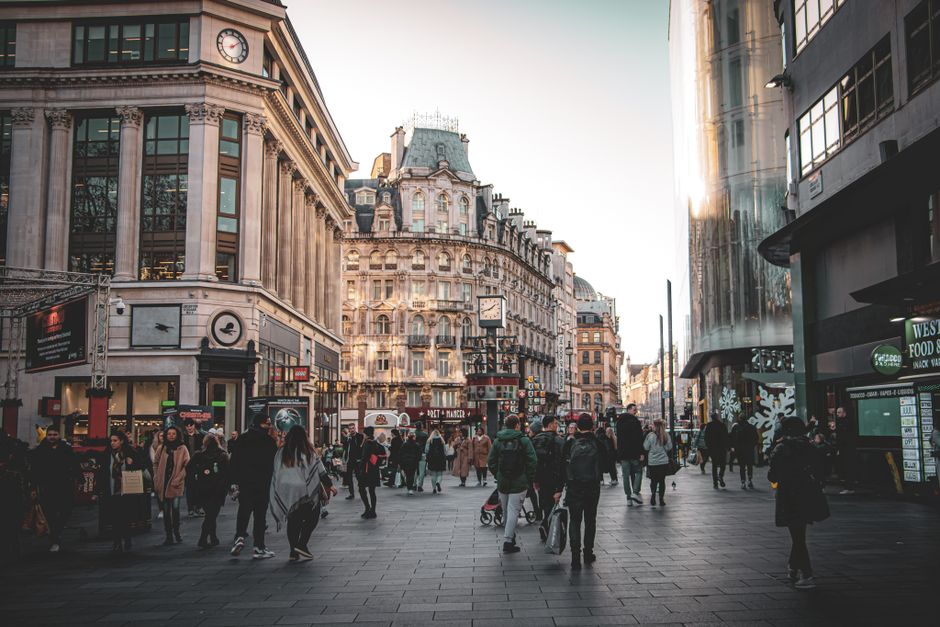
Sleep science tells us that one-size-fits-all advice rarely works. London's unique environment—from air pollution spikes to constant light pollution and irregular commuting patterns—demands locally tailored strategies.
Start with air quality, a genuine factor affecting sleep quality across the capital. Research from King's College London shows that poor air quality disrupts sleep architecture. If you live near major routes like the North Circular or Euston Road, consider a HEPA filter in your bedroom. The cost—typically £80–150—is modest compared to the sleep gains. Check the London Air Quality Network's hourly readings before opening windows; early morning (5–7am) usually offers the cleanest air.
Timing matters differently in London than elsewhere. Our northern latitude means summer nights arrive late; winter darkness dominates. Align your body clock strategically. If you're a Parkrun regular at Bushy Park or Battersea, scheduling your 5km run before 7am maximises daylight exposure and melatonin suppression—proven to deepen evening sleep. Evening runs after 6pm, conversely, can delay sleep onset by up to 90 minutes.
London's transport noise is real. The Piccadilly Line rumbles beneath Knightsbridge; District Line vibrations affect South Kensington. Rather than fighting it, research suggests consistent white noise (around 60 decibels) actually masks irregular sounds better than silence. Apps like myNoise cost nothing; a quality machine runs £30–60.
Temperature control requires nuance. Central heating in Victorian conversions (common across Notting Hill and Islington) often overheats bedrooms. The Sleep Foundation recommends 16–19°C. If your landlord's system doesn't cooperate, a smart thermostat (£200–300) or opening a window strategically during London's unpredictable spring weather offers alternatives. Summer humidity near the Thames (Battersea, Hammersmith) demands different approaches; a dehumidifier (£80–120) measurably improves sleep quality in damp conditions.
Finally, commuting fatigue is real. NHS guidance suggests protecting sleep before protecting workout schedules. If your journey from Clapham to Canary Wharf disrupts your rhythm, prioritise sleep over an evening gym session twice weekly. The mental health benefits of consistent rest—tracked by local services like Lambeth NHS—exceed marginal fitness gains from exhausted exercise.
London sleep isn't about perfection. It's about understanding your specific postcode's challenges and addressing them with evidence, not ideology.
This article was compiled by AI from the sources linked above and screened before publishing. See our editorial standards.
Wellness
Wellness
Wellness
Wellness
About this article
Published by The Daily London
Spread the word
Daily brief
Free, in your inbox before 7am. Weekdays.
The Daily Network — independent news worldwide