On any given morning in Regent's Park or along the Regent's Canal, you'll spot people sitting quietly with notebooks. It's not a new trend, but journaling as a structured mindfulness practice has gained momentum across London's wellness community, particularly among those seeking alternatives to or complements for meditation apps and formal practice.
Unlike meditation, which can feel abstract or intimidating to beginners, journaling offers something tangible: a direct channel between your thoughts and the page. For Londoners navigating the capital's relentless pace—whether you're commuting via the expanding cycling superhighways or managing the complexities of the NHS GP system—journaling can anchor your day with intention and self-awareness.
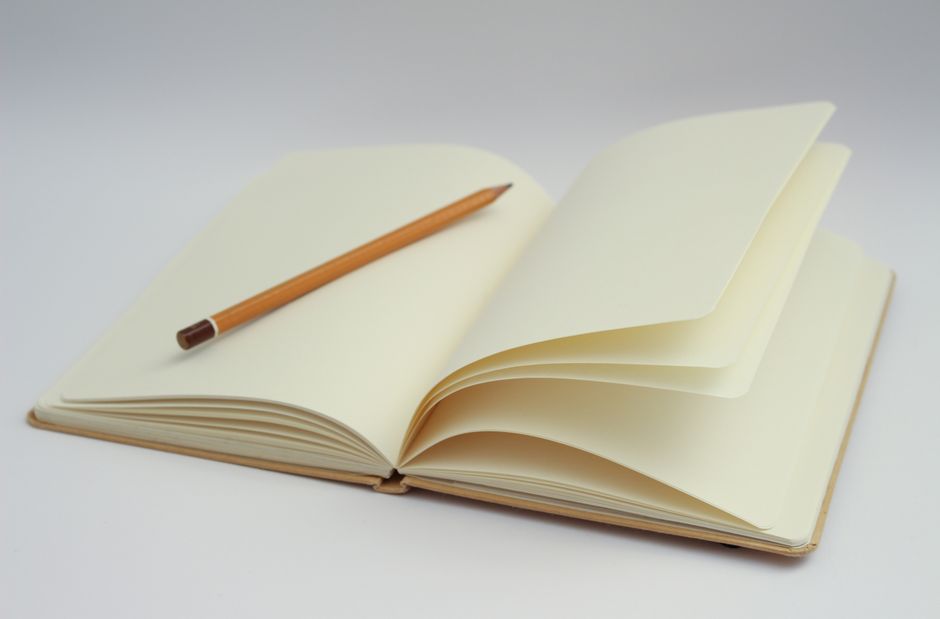
The beauty lies in simplicity. You don't need expensive materials. A basic notebook from any Waterstones on Piccadilly or independent bookshop in Bloomsbury works perfectly. The practice itself requires just 10 to 15 minutes daily. Mental health professionals across London recommend starting with "free writing"—setting a timer and writing continuously without editing, judgment, or concern for grammar. Your thoughts become observer rather than critic.
Many find success with the "three prompts" method: What am I feeling right now? What am I grateful for today? What do I need to let go of? This framework prevents the paralysis of a blank page while remaining flexible enough to follow where your mind leads.
Location matters, too. Whether you're settling into a quiet corner of the British Library, a bench overlooking the Thames near Tower Bridge, or simply your kitchen table in Hackney, consistency trumps setting. Even five minutes daily outperforms sporadic longer sessions.
The research backs it up. Studies show reflective writing reduces anxiety, improves emotional regulation, and increases self-compassion—outcomes that align perfectly with London's strong mental health awareness culture. Unlike guided meditation apps, journaling doesn't require subscription fees or headphones, making it accessible year-round.
Start without pressure. Your first entry doesn't need to be profound. "I don't know what to write" is a valid starting point. The goal isn't literary excellence; it's creating space to witness your own thinking. Over weeks and months, patterns emerge. Anxieties that seemed insurmountable often reveal themselves as manageable when named on paper.
If you're sceptical about meditation or simply prefer a more active form of mindfulness, journaling bridges that gap. It's portable, free, and requires only commitment. This week, pick up a notebook and carve out 10 minutes. Your clarity awaits.
This article was compiled by AI from the sources linked above and screened before publishing. See our editorial standards.