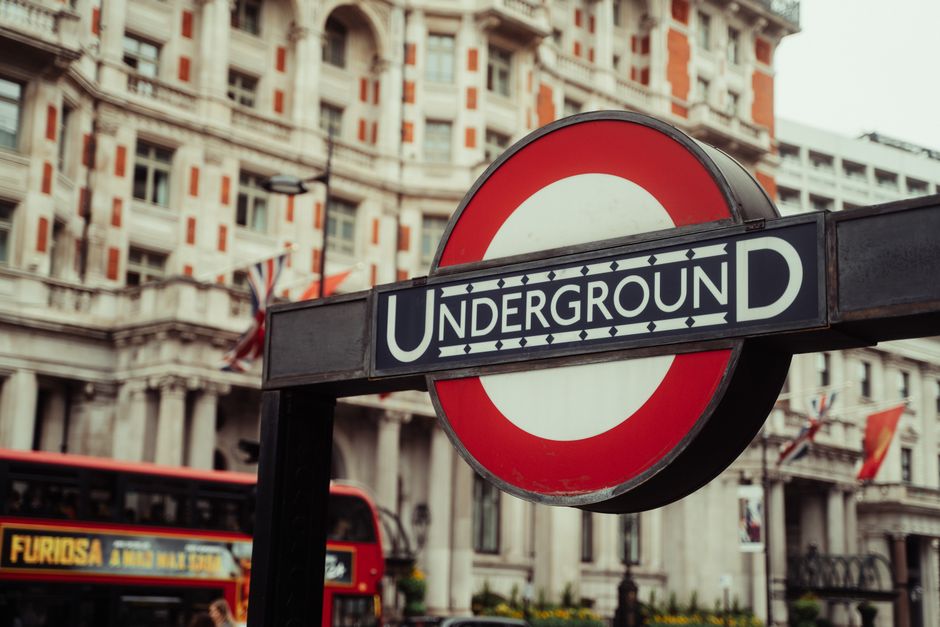
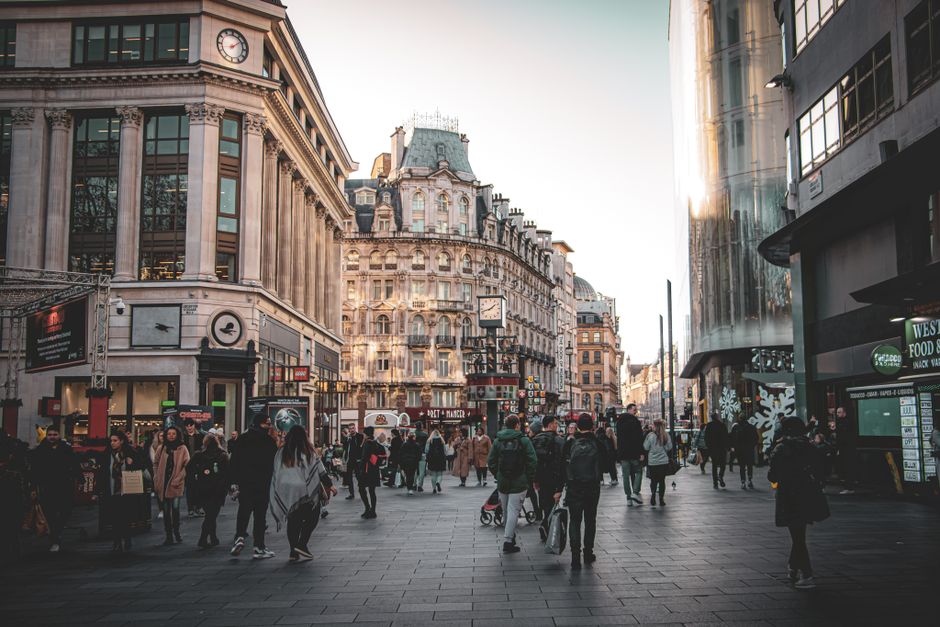
Mindfulness has become a global phenomenon, with meditation app downloads exceeding 100 million annually and corporate wellness programmes embedding stress management into daily routines across continents. Yet London, a city notorious for its relentless pace and commuting culture, is charting a subtly different course—one that reflects both the universality of modern anxiety and deeply local responses to urban living.
The numbers tell part of the story. While global meditation app subscriptions have plateaued in recent years as market saturation sets in, London-based practitioners report steady growth in in-person mindfulness classes, particularly across zones 1 and 2. Studios in Fitzrovia, Shoreditch, and Clapham are reporting waiting lists of 4-6 weeks for beginner courses, a phenomenon less pronounced in other major Western cities where digital-first wellness dominates.
Part of this London-specific trend reflects the city's existing infrastructure. The NHS GP system, still the primary healthcare touchpoint for millions of Londoners, has increasingly integrated mindfulness-based cognitive therapy (MBCT) into mental health referrals. The Tavistock and Portman NHS Trust, based in Hampstead, has expanded its mindfulness programme substantially since 2023, reporting a 40% increase in referrals annually. This contrasts sharply with countries like the US, where such interventions remain largely privatised.
Public space also matters. While global wellness trends often emphasise hermetic, app-based practices, London's mental health culture increasingly leverages the city's geography. Parkrun UK—which began in Bushy Park, southwest London—has evolved into a form of social mindfulness for over 300,000 regular participants nationwide. Walking groups along the Thames, cycling meditation routes on the expanding superhighway network, and outdoor breathing sessions in Green Park represent a distinctly communal, place-based approach to stress management that global trends often overlook.
Yet London is not immune to globalised wellness anxieties. The city's young professionals—particularly in tech hubs like King's Cross and Canary Wharf—consume global meditation content at rates comparable to New York or San Francisco. A 2025 mental health survey by the London-based organisation Mind found that 62% of Londoners felt their stress levels had worsened compared to pre-pandemic years, matching international figures.
The distinction, perhaps, lies in how Londoners are responding. Rather than wholesale adoption of Silicon Valley-led solutions, the capital is cultivating hybrid approaches: NHS-backed MBCT sitting alongside premium studio classes, app-guided sessions blended with community running groups, and traditional talking therapies integrated with mindfulness practice.
For those navigating London's pressures, the advice remains consistent with global wellness consensus: consistency matters more than method. Whether your mindfulness practice unfolds in an Islington studio, a Royal Park, or on your morning commute, the benefits remain measurable and local.
This article was compiled by AI from the sources linked above and screened before publishing. See our editorial standards.