Wellness
From blank page to calm mind: how to start journaling as a mindfulness tool
London therapists and wellness experts explain why putting pen to paper might be the simplest way to build a sustainable meditation practice.
3 min read
Wellness
London therapists and wellness experts explain why putting pen to paper might be the simplest way to build a sustainable meditation practice.
3 min read
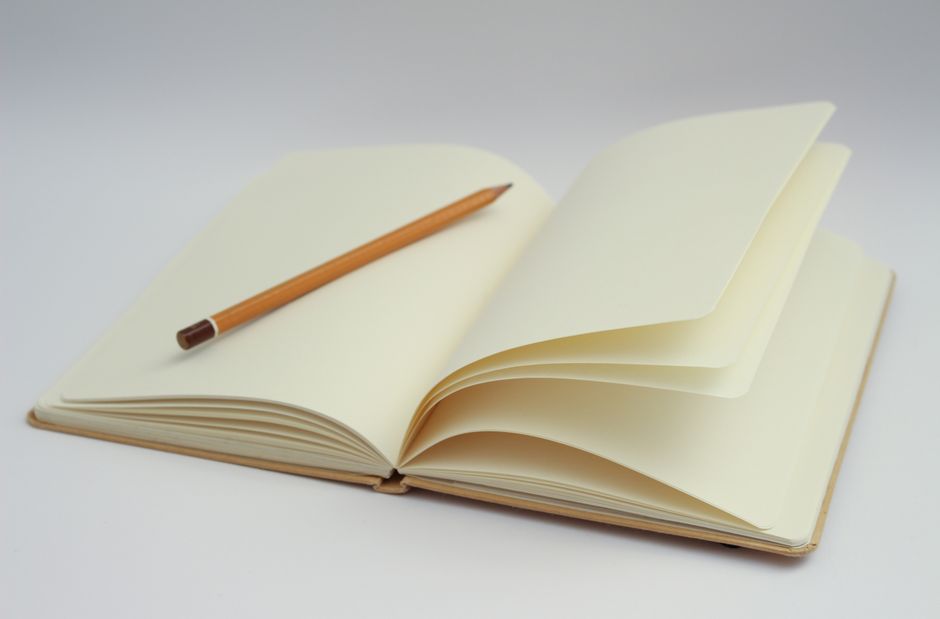
In a city where 68% of adults report feeling stressed weekly, according to Mind's latest London mental health survey, the pressure to find 'the right' meditation app can feel overwhelming. But some of the capital's most experienced wellness practitioners are pointing to something far simpler: a notebook and a pen.
Journaling sits at the intersection of reflection and presence—two cornerstones of mindfulness. Unlike guided apps, which can feel prescriptive, or silent meditation, which requires sustained focus that many find daunting, journaling offers a low-friction entry point. You're not trying to empty your mind; you're observing it.
"The beauty of journaling is that there's no 'wrong' way," explains Siobhan Cole, who facilitates mindfulness workshops across East London community centres. "You write what's present, without censoring. That act of noticing—noticing your thoughts, your body, the weather outside your Hackney window—that's mindfulness in action."
Starting is genuinely simple. Choose a time: many Londoners find early mornings, before commuting across the cycling superhighways or heading to the office, work best. Even ten minutes counts. Pick a quiet spot—a corner of your kitchen, a bench in Regent's Park, or the British Library's reading rooms in St Pancras if you're seeking structured space. A £3 notebook from Ryman on Oxford Street works as well as a £40 leather journal.
The practice itself: write what's happening. "I notice my shoulders are tight." "The light coming through the window is grey." "I'm thinking about that email." Name emotions without judgment. Some people prefer stream-of-consciousness; others respond to prompts. There's no single correct approach.
What makes journaling distinctly mindful is the *presence* it demands. You can't rush through three pages while scrolling. Your hand moving across the page anchors you to the present moment—precisely what meditation seeks to achieve.
For those seeking community, King's College London's Adult Education Centre runs affordable "Writing for Wellbeing" courses in Waterloo. Parkrun, the free weekly running initiative that began in Bushy Park, has inspired similar "Journalrun" groups gathering in Clapham Common—combining movement and reflection.
The research backs it: journaling reduces anxiety, clarifies thinking, and builds self-awareness. Unlike meditation, which requires faith in a practice that yields subtle benefits, journaling produces immediate evidence. You can see your progress on the page.
As London's mental health conversation deepens, journaling offers what this city desperately needs: an accessible, free, portable tool for turning chaos into clarity.
This article was compiled by AI from the sources linked above and screened before publishing. See our editorial standards.

Wellness

Wellness

Wellness

Wellness
About this article
Published by The Daily London
Spread the word
Daily brief
Free, in your inbox before 7am. Weekdays.
The Daily Network — independent news worldwide