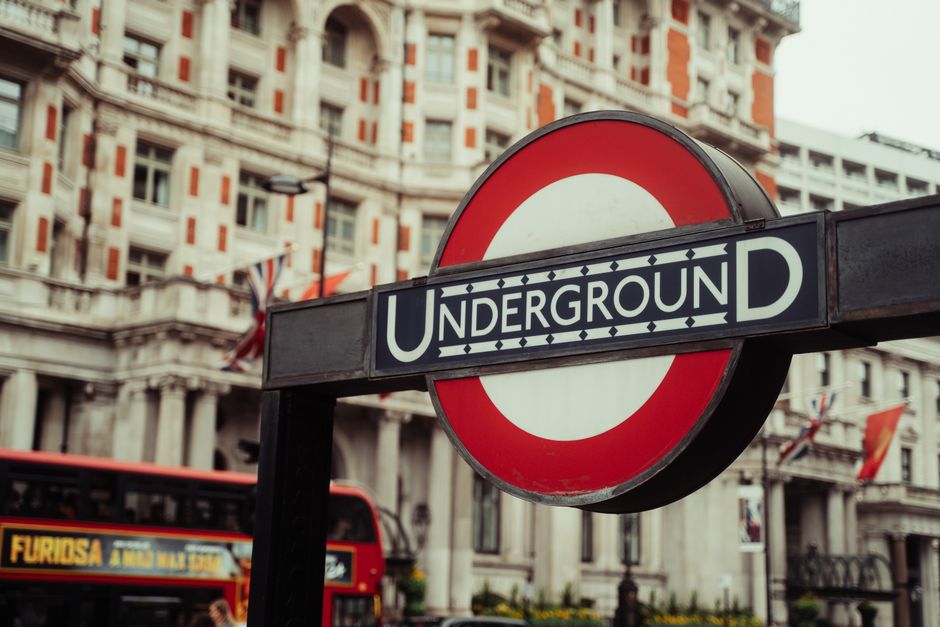
When mindfulness swept the globe as a smartphone-enabled wellness trend, London quietly took a different route. Rather than simply downloading the latest meditation app, the capital has cultivated something more distinctly local: a vibrant ecosystem of accessible, community-centred stress management that's reshaping how residents tackle urban anxiety.
The numbers tell a compelling story. Across the UK, mindfulness app subscriptions have plateaued at roughly 8% of the population, yet London boroughs report that NHS-referral mindfulness programmes—delivered through local services—now have waiting lists of eight weeks or longer. In Southwark and Lambeth, community mindfulness classes run by the NHS and charities like Mind have tripled attendance since 2023, suggesting Londoners prefer guided instruction in shared spaces over solitary screen time.
This preference is reshaping where and how people access support. The Calm on Campus programme, pioneered at King's College London, has expanded to offer free sessions for working professionals across central London. Meanwhile, neighbourhood hubs in areas like Hackney, Whitechapel, and Brixton now host weekly drop-in meditation circles, often blending mindfulness with movement—think tai chi in Victoria Park or breathing exercises at the Serpentine.
The shift reflects a deeper London truth: the city's mental health culture has always emphasised connection and accessibility. Parkrun's dominance here—with 80+ weekly groups across the boroughs—demonstrates that Londoners gravitate towards free, community-driven wellness. Mindfulness is following suit. The British Association for Behavioural and Cognitive Psychotherapies reports that UK-wide interest in online therapy remains steady, but London practices are increasingly blending remote options with in-person group work, recognising that isolated screen-based approaches miss a crucial element: belonging.
Pricing also matters. While global wellness brands charge £10-15 monthly for apps, council-run mindfulness courses in Westminster, Camden, and Islington cost £3-8 per session, or are free through GP referral. This affordability has opened practice to demographics typically absent from luxury wellness spaces.
Yet challenges persist. Waiting lists remain long, and postcode disparities mean some outer boroughs lag behind central areas. The rise of boutique mindfulness studios in Mayfair and Chelsea highlights an uncomfortable truth: premium wellness still caters to the wealthy, even as community programmes thrive elsewhere.
London's approach—rooted in NHS partnership, public space accessibility, and group practice—offers a counterpoint to the individualised, app-first wellness culture dominating globally. It's not about perfecting your practice alone; it's about managing stress together, on your own doorstep.
This article was compiled by AI from the sources linked above and screened before publishing. See our editorial standards.