Wellness
The habit that stuck: how Londoners built running into their daily routines
From Regent's Park loops to commute-run combinations, locals reveal the practical tweaks that made outdoor fitness actually sustainable.
3 min read
Updated 5 h ago
Wellness
From Regent's Park loops to commute-run combinations, locals reveal the practical tweaks that made outdoor fitness actually sustainable.
3 min read
Updated 5 h ago
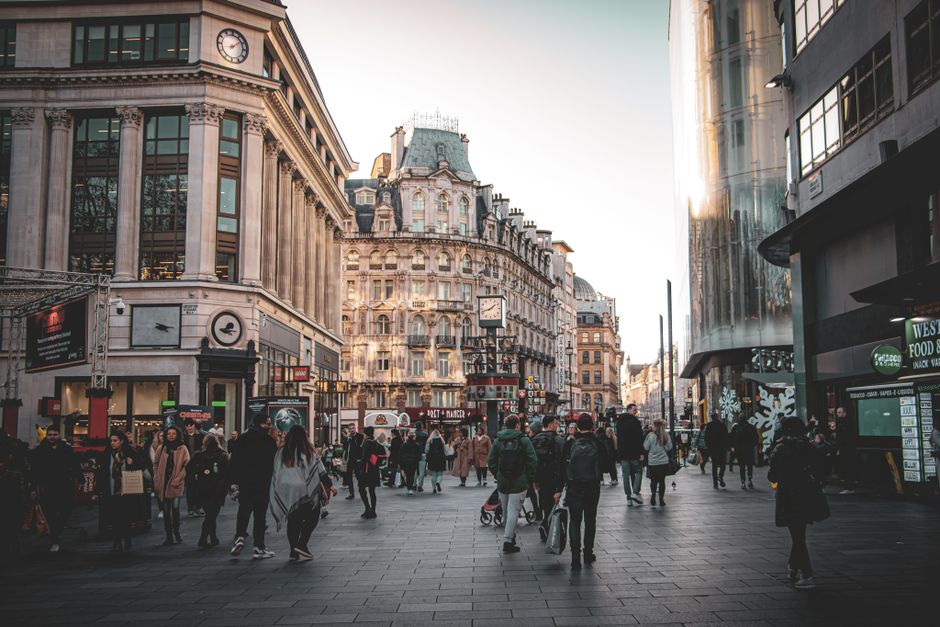
The difference between a New Year's resolution and a genuine habit, according to behavioural research, is roughly eight weeks and a trigger. For London runners, that trigger is often geography.
"I stopped thinking of running as exercise and started thinking of it as transport," explains the philosophy behind a growing trend among East London commuters. The 5km stretch from Hackney Downs to Liverpool Street via the canal towpath has become a preferred alternative to the Tube for office workers—combining fitness with a practical journey. Transport for London's expansion of cycling superhighways has created unexpected benefits for runners too; smoother pavements and clearer routes mean fewer twisted ankles and better visibility.
The Royal Parks running network remains the backbone of habit formation across the capital. Richmond Park's 7.5-mile circuit attracts repeat visitors who build morning runs into non-negotiable schedules—the same way commuters book train tickets. Regent's Park's 2.2-mile loop has become a lunchtime anchor for office-based workers in Fitzrovia and King's Cross, with consistent noon starts creating informal accountability partnerships. Greenwich Park's Parkrun, part of the UK-pioneering network that began in London, offers free timed 5km runs every Saturday morning to over 200 participants weekly.
The practical habit that has gained traction is what locals call "stacking." Rather than carving out dedicated gym time, many runners now combine fitness with existing routines: running to weekend farmers markets in Portobello Road, incorporating Hill training through Primrose Hill ascents before coffee, or using the Jubilee Greenway—the 15.5-mile loop around central London—for longer weekend exploration in segments. A South Bank runner shared how treating Thames Path jogs as "commute plus" rather than "workout plus" removed the psychological friction; suddenly it felt efficient rather than indulgent.
Cost remains a barrier for some. Parkrun remains genuinely free, while personal training in central London averages £60–£80 per session. Many locals have shifted toward structured but affordable options: Strava's free route-mapping tool, Nike Run Club's guidance features, and local running clubs organised through the London Road Runners (which operates across 30 boroughs) asking modest membership fees of £20–£30 annually.
The emerging pattern suggests that successful habit formation isn't about willpower—it's about reducing friction. When running becomes part of the journey rather than a separate event, when geography provides natural motivation, and when community (formal or informal) creates loose accountability, even the busiest Londoners find themselves lacing up consistently.
This article was compiled by AI from the sources linked above and screened before publishing. See our editorial standards.
Wellness

Wellness
Wellness
Wellness
About this article
Published by The Daily London
Spread the word
Daily brief
Free, in your inbox before 7am. Weekdays.
The Daily Network — independent news worldwide