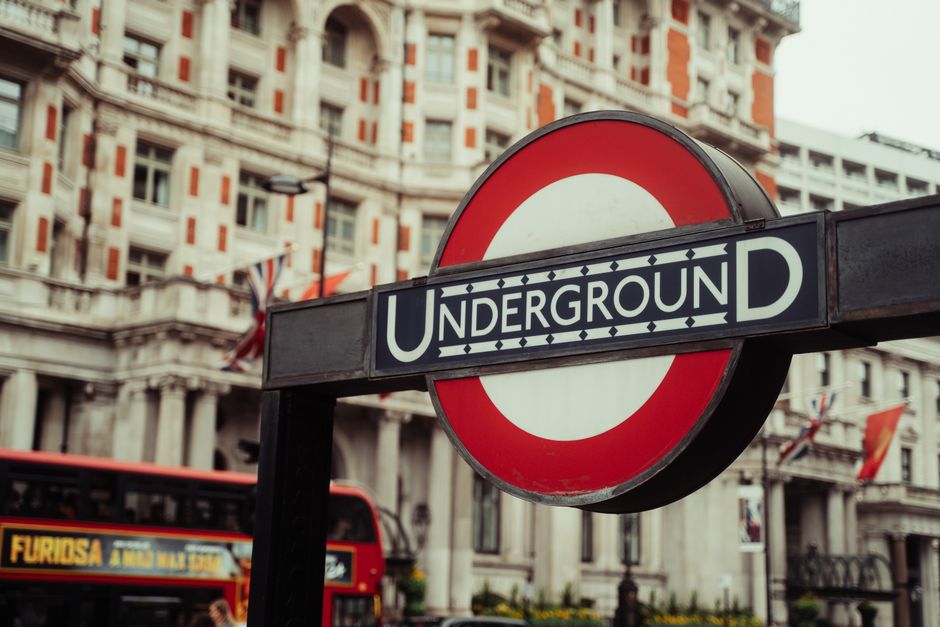
Walk through King's Cross on any lunchtime and you'll spot practitioners settling into meditation apps on the Northern Line. Mindfulness has become London's default stress antidote—but what does the science actually say?
The evidence is more nuanced than wellness marketing suggests. Functional MRI studies from institutions like University College London have demonstrated that regular mindfulness practice measurably reduces activity in the default mode network, the brain region associated with self-referential worry. A landmark meta-analysis published in JAMA Psychiatry in 2022 found meditation interventions produced modest but genuine improvements in anxiety—comparable to standard antidepressants for mild-to-moderate cases, though not superior.
What's particularly interesting for Londoners is how this research translates locally. The NHS now funds mindfulness-based cognitive therapy (MBCT) through many GP surgeries across the capital, including practices in Southwark and Hackney, following NICE approval in 2009. The eight-week programmes cost the NHS around £400 per patient—significantly cheaper than prolonged pharmaceutical intervention, though efficacy varies considerably between individuals.
Dr Mark Williams' work at Oxford, which directly influenced London's NHS rollout, identified a crucial mechanism: mindfulness doesn't eliminate stress, but rather alters our relationship to it. Brain imaging shows experienced meditators develop stronger connections between the prefrontal cortex and amygdala—essentially building better communication between the thinking brain and the fear centre. This isn't mystical; it's measurable neurobiology.
Yet researchers emphasise critical limitations. A 2023 review in Nature Mental Health found mindfulness works best for people with moderate anxiety or depression, and requires consistency—typically 10-15 minutes daily for measurable results. For acute psychiatric crises, it remains an adjunct, not replacement therapy. Some individuals, particularly those with trauma histories, can experience destabilising effects from intensive meditation.
London's thriving mindfulness ecosystem—from structured classes at venues like Triyoga in Shoreditch to Parkrun's mental health integration across the Royal Parks network—reflects genuine evidence. But researchers stress personalisation matters enormously. What rewires one person's stress response may leave another unchanged.
The honest science tells us mindfulness is a legitimate, evidence-based tool for many—but not a universal panacea. If you're considering starting practice, your GP can discuss whether it suits your specific needs, and NHS-funded courses offer a robust starting point without significant cost barriers.
This article was compiled by AI from the sources linked above and screened before publishing. See our editorial standards.