Wellness
Better Sleep London: Science-Backed Rest Tips
London sleep experts reveal how circadian rhythm alignment and morning light exposure in parks like St James's improve rest quality. Evidence-based strategies for better sleep.
2 min read
Wellness
London sleep experts reveal how circadian rhythm alignment and morning light exposure in parks like St James's improve rest quality. Evidence-based strategies for better sleep.
2 min read
Sleep remains one of wellness's most underrated currencies. Yet recent neuroscience emerging from King's College London and Queen Mary University suggests that how we rest may matter as much as how long we rest. Understanding the science can help Londoners build genuinely restorative sleep habits rather than chasing arbitrary eight-hour targets.
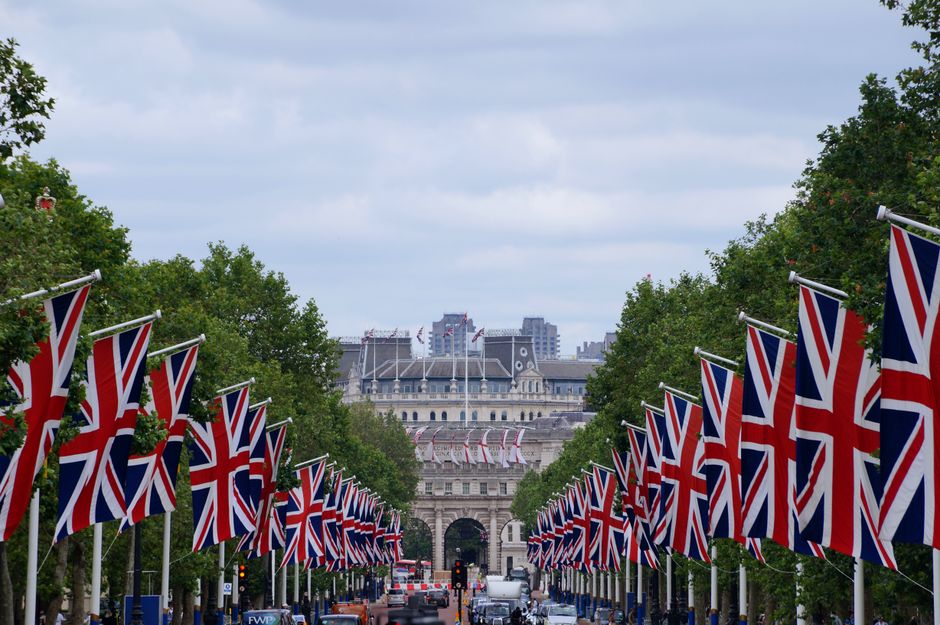
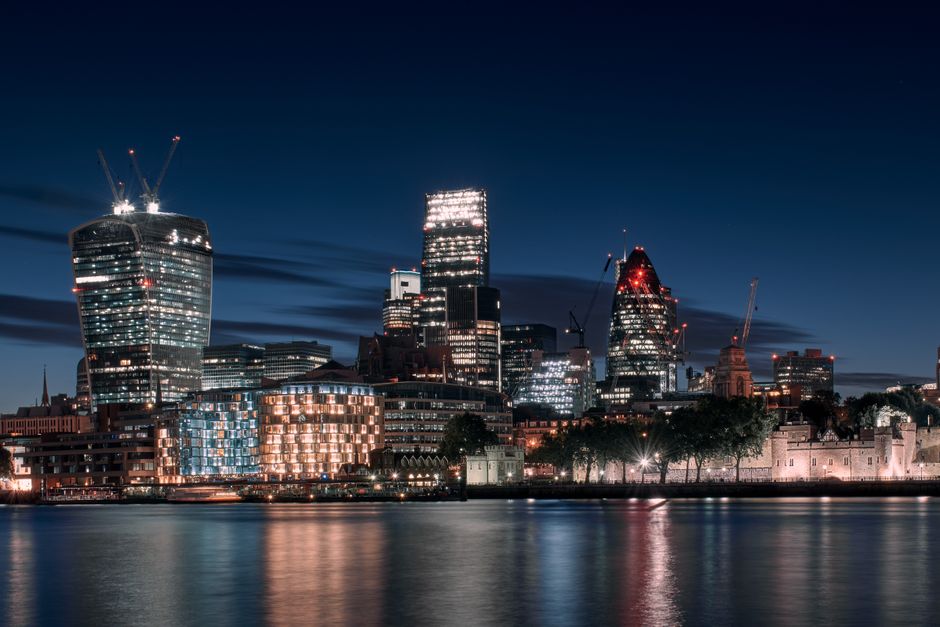
Research published by sleep chronobiologists shows that circadian rhythm alignment—syncing your sleep schedule with natural light exposure—produces measurable improvements in cognitive function, immune response and mood regulation. For those working in offices around Canary Wharf or the City, this means morning light exposure matters enormously. A 20-minute walk through St James's Park or along the Thames Path before 10am can reset your internal clock more effectively than evening melatonin supplements.
The science also highlights sleep architecture: the cycling between light, deep and REM sleep stages. Disruption to these cycles—common among London's shift workers and night-shift NHS staff—impairs memory consolidation and emotional regulation. Dr research from the University College London Sleep Lab indicates that consistency in sleep timing matters more for architecture integrity than duration alone. Going to bed at 11pm and waking at 7am daily produces better sleep quality than sleeping nine hours erratically.
Environmental factors carry surprising weight. Studies tracking sleep quality across London boroughs show that noise pollution and light intrusion significantly suppress melatonin production. Blackout blinds (available locally from John Lewis on Oxford Street for £30-80) and white noise apps represent scientifically-backed interventions. Temperature regulation also ranks highly: research suggests 16-19°C bedroom temperatures optimise REM sleep.
Movement integration amplifies sleep benefits. Parkrun UK, which pioneered the free 5km Saturday morning running movement here in London, demonstrates how morning exercise synchronises circadian rhythms. Regular participants from Bushy Park to Clapham Common report improved sleep onset latency (time falling asleep) within two weeks.
For Londoners navigating stress-heavy careers and commuting, the evidence suggests prioritising consistency over perfection. The NHS sleep clinics operating across London boroughs recommend sleep logs—simply noting bedtime, wake time and how rested you feel—over expensive wearable trackers. This creates awareness without the anxiety that often accompanies quantified monitoring.
The research consensus is clear: better sleep emerges not from dramatic interventions but from understanding your personal circadian preferences, managing your light environment, and building routine. For London's sleep-deprived, that science offers genuinely actionable hope.
This article was compiled by AI and screened before publishing. See our editorial standards.
About this article
Published by The Daily London
Spread the word
Daily brief
Free, in your inbox before 7am. Weekdays.
Before you go
The day's London news in a 2-minute read. Free, weekday mornings.