London hit 31°C on three consecutive days last month, and NHS 111 recorded a 22 percent spike in heat-related calls across the capital during that stretch. Yet sports dietitians working with community running clubs say the city's habitually grey reputation still tricks Londoners into underdrinking — even in July.
The timing matters. The capital's cycling superhighways, now extending to 145 kilometres of dedicated lane, have pushed tens of thousands of commuters onto bikes since the Stratford-to-Victoria route opened its final section in March. Meanwhile, Parkrun's flagship 5km event at Bushy Park in Teddington — the longest-running Parkrun in the world, established in 2004 — regularly draws more than 1,500 runners every Saturday morning. More movement in variable heat means more sweat loss, and more sweat loss that most people simply aren't accounting for.
The Numbers Londoners Are Getting Wrong
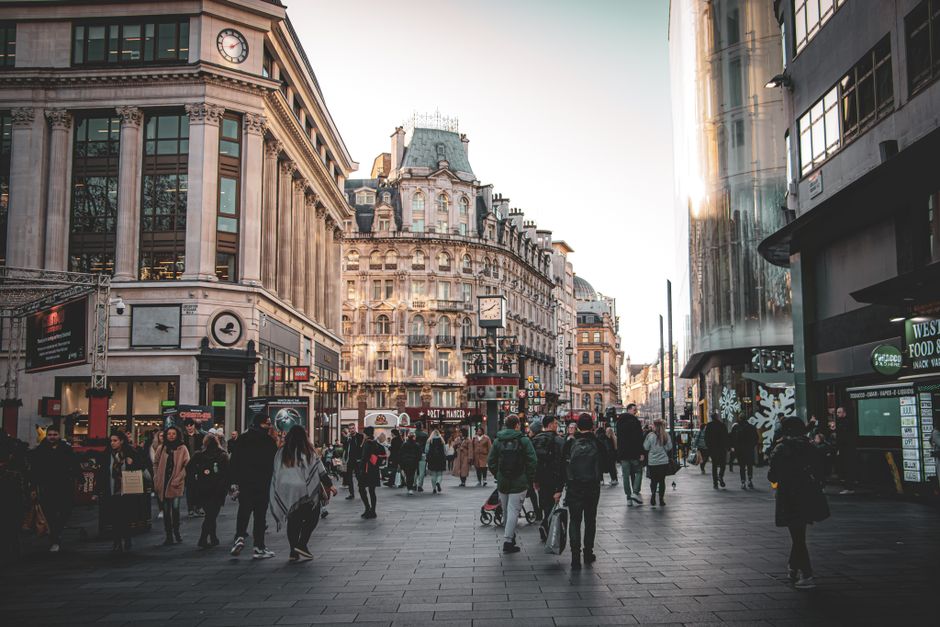
The European Food Safety Authority recommends 2 litres of fluid daily for adult women and 2.5 litres for adult men under normal conditions — but those figures climb by roughly 500ml for every hour of moderate exercise in temperatures above 25°C. That guidance is from 2010 and has not been revised upward despite measurably hotter urban summers across northern Europe over the past decade. London's urban heat island effect means central neighbourhoods like Elephant and Castle and Shoreditch routinely run 3–5°C hotter than the surrounding countryside on still summer days, pushing real-world hydration needs higher still.
Cost is also a factor. A 500ml bottle of branded mineral water at a Pret A Manger on Oxford Street now costs £1.85, up from £1.40 in 2023. The Mayor of London's Drinking Water refill scheme — a network of more than 200 free public tap points, including fountains at Hyde Park Corner and outside Tate Modern on Bankside — offers an obvious alternative that relatively few commuters actively use. The scheme added 40 new refill stations between January and June this year.
Electrolyte balance matters as much as volume. Plain water is adequate for most day-to-day needs, but anyone cycling 10 or more miles or running longer than 45 minutes in warm weather is losing sodium and potassium through sweat at rates that water alone won't replace. Sports drinks with 400–600mg of sodium per litre are the standard recommendation from UK Sport's nutrition advisory panel — though those products carry their own sugar loads, typically 6–8 grams per 100ml for mainstream brands. Coconut water, sold at most Waitrose branches across the capital for around £2.10 per 330ml carton, sits at roughly 2–3 grams of sugar per 100ml and provides modest natural electrolytes, though its sodium content is too low to fully substitute a purpose-made sports drink after heavy exertion.
Practical Choices for the City's Heat
The clearest advice from dietetic literature is also the most mundane: don't wait until you're thirsty. Thirst is a late signal. By the time it registers, mild dehydration — defined clinically as a 1–2 percent drop in body mass through fluid loss — has already begun to blunt concentration and raise perceived effort during exercise.
For Londoners working desk jobs in offices without air conditioning, which describes a significant proportion of the capital's Victorian and Edwardian commercial stock in areas like Clerkenwell and Bermondsey, a simple habit shift helps: drink a full glass of water before each coffee. Caffeine at normal consumption levels — up to four cups daily — does not cause net fluid loss in habitual drinkers, contrary to popular belief, but coffee's mild diuretic effect still tips the balance when intake is otherwise borderline.
The Royal Parks running network, which includes marked routes through Regent's Park and Greenwich Park, has water fountains at regular intervals; check the TfL Active Travel map, updated June 2026, for locations before setting out. NHS GPs in London can refer patients with recurrent fatigue or headaches for a basic blood panel to rule out chronic dehydration-related issues — a route worth taking if tiredness persists despite better habits. The advice on what to drink is, in the end, less complicated than the market would have you believe. Start with tap water, add electrolytes if you're sweating hard, and use the city's own infrastructure to stay topped up for free.