wellness
London Nature Walks Deliver Science-Backed Stress Relief Beyond Royal Parks
Skip the crowded Royal Parks circuits, these locally-tested routes deliver the stress-reduction science promises, if you know when and where to go.
How we reported this
Most Londoners live within a 10-minute walk of a green corridor they have never once entered. That is not a lifestyle observation, it is the finding underpinning Transport for London's own Green Infrastructure mapping project, which identified more than 47 square kilometres of publicly accessible natural space within Zone 2 alone that records near-zero footfall on weekday mornings. The tourists queue at the Serpentine. Londoners, it turns out, are quietly discovering something better.
The timing matters. July 2026 has brought London its second consecutive summer of above-average urban heat, with the Met Office logging mean overnight temperatures in Central London running 2.1°C above the 1991-2020 baseline for June. That compressed heat sits longest in zones with low tree canopy and heavy paving, exactly the neighbourhoods where GP surgeries in Lambeth and Hackney have reported a spike in stress-related and sleep-disruption consultations since May. Walking in genuinely biodiverse green space, as opposed to a manicured park lawn, has a measurable cortisol-lowering effect documented in a 2023 University of Exeter study: even 20 minutes in woodland reduced salivary cortisol markers by 16 percent in urban participants. The science is not new. The local application of it is.
Where to Actually Go
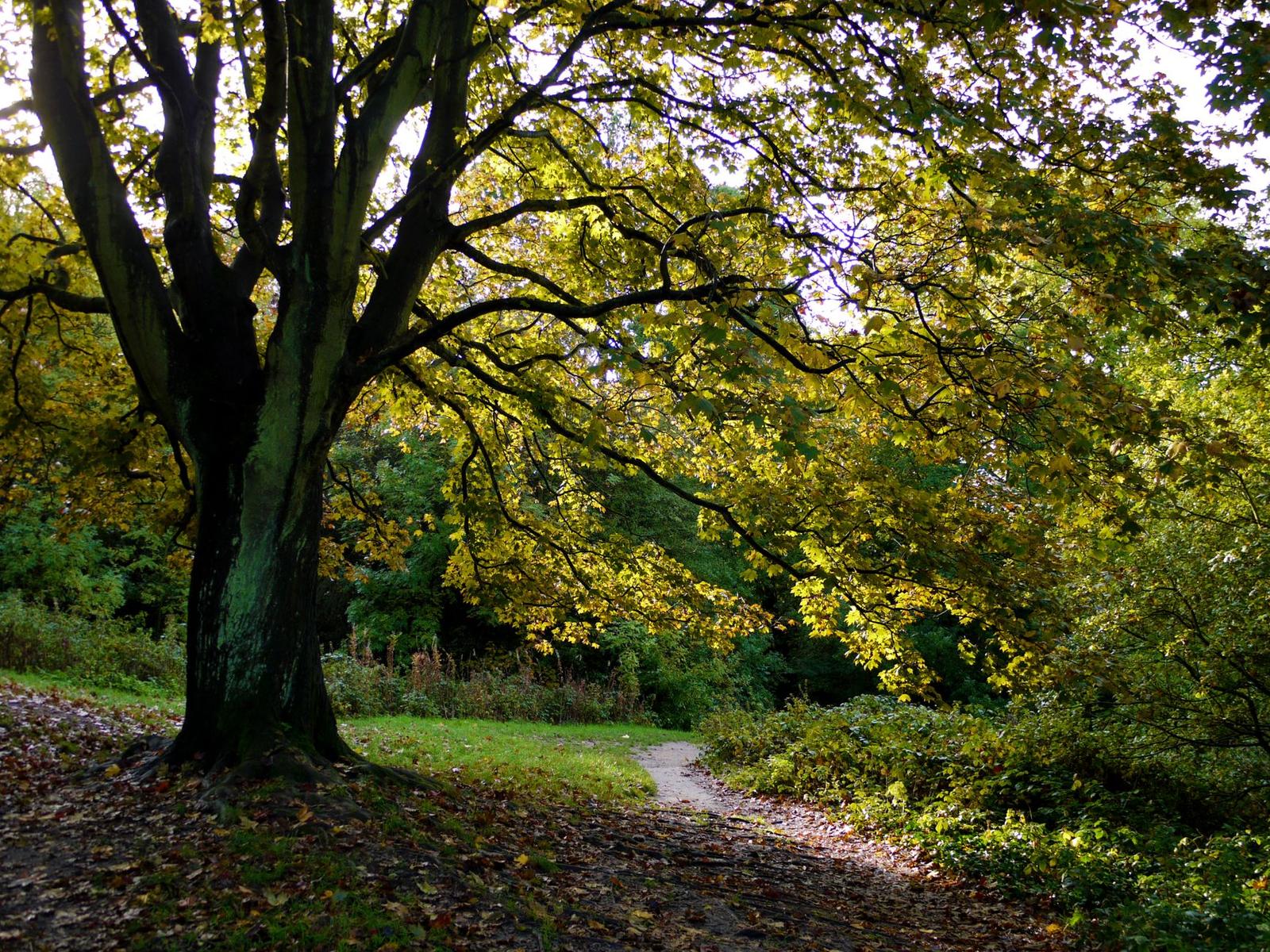
Coldfall Wood in Muswell Hill is the clearest example of the pattern. Managed by the London Borough of Haringey, it covers 26 acres of ancient semi-natural woodland, sessile oak, hornbeam, and a wet ditch system running north to south, and on a Tuesday morning in late June it is effectively empty. The entrance on Coldfall Avenue, N10, is unmarked by any tourist signage. The Parkrun UK network does not touch it. The Woodland Trust lists it as ancient woodland dating to at least 1600, which means its canopy structure and air chemistry differ substantially from a Victorian ornamental park. Biodiversity quality, not just greenery quantity, is what the cortisol studies measure.
Across the city, the Waterlink Way, a 14-mile walking and cycling route running from Deptford through Lewisham to Beckenham, threads through sections of the River Ravensbourne corridor that most residents of SE13 could not name. The stretch between Ladywell Fields and Catford is dense with reed beds and alder. The Greater London Authority designated the full route as part of the London National Park City framework in 2019, but wayfinding remains poor and the route appears on almost no mainstream tourist itinerary. That is, practically speaking, its main virtue right now.
Using the Science, Not Just the Scenery
Evidence-based walkers know that timing and pace alter the physiological outcome. Research published in the journal Landscape and Urban Planning in 2024 found that slow, unstructured walking, defined as below 4 kilometres per hour with no audio input, produced stronger attention-restoration effects than brisk exercise walking in the same green environments. That matters in London specifically because most users of green corridors are plugged into podcasts or using fitness-tracking apps that reward pace. The Parkrun model, transformative for weekend cardiovascular health, trains the opposite behaviour.
The NHS Social Prescribing programme, now embedded in 73 GP practices across inner London boroughs including Southwark, Tower Hamlets, and Islington, has begun directing patients toward exactly these lower-profile routes since April 2026. Link workers at Southwark-based practices are now issuing printed walk cards for the Nunhead Cemetery loop, a 1.2-kilometre circuit inside the Victorian Grade II-listed cemetery on Linden Grove, SE15, specifically because its closed canopy and absence of through-traffic noise produce measurable calm in patient self-reporting. Entry is free. The Friends of Nunhead Cemetery run guided walks on the last Sunday of each month.
The practical upshot: download the Greenspace Information for Greater London (GiGL) interactive map, filter for ancient woodland or Sites of Importance for Nature Conservation rated Grade I or II, and cross-reference against the TfL Walk London network's lesser-used spurs rather than the headline Seven Capital Walks. Leave the headphones at home for at least the first 20 minutes. Go before 9am when urban heat and foot traffic are lowest. None of this is complicated. It is mostly just specific, and specific, in a city of nine million people sharing the same handful of famous parks, is exactly what makes the difference.