Wellness
Hydration in the Local Climate: How Much and What to Drink in London
With warmer spells and busy city routines, knowing what — and how much — to drink is now an everyday health priority for Londoners.
4 min read
Updated 1 h ago
Wellness
With warmer spells and busy city routines, knowing what — and how much — to drink is now an everyday health priority for Londoners.
4 min read
Updated 1 h ago
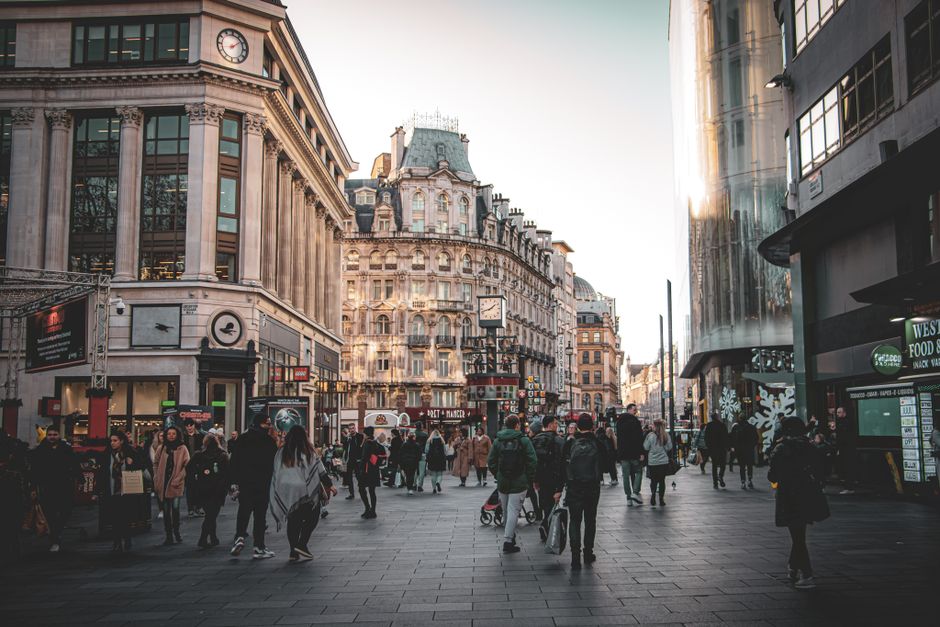
The London heat has turned relentless in recent weeks, with the mercury pushing past 30C in several pockets including St James’s Park and Hackney Downs. In a city famed more for drizzle than drought, pharmacies dotted along Oxford Street and nutritionists at King’s College Hospital are spotting a spike in resident queries about proper hydration for the local climate.
It matters more this summer than most. As the Royal Parks running network saw record sign-ups through June, Parkrun UK events from Finsbury Park to Fulham Palace have also reported higher-than-usual numbers of overheated and under-hydrated runners. According to the NHS, dehydration can creep up quicker than many Londoners realise, leading to headaches, fatigue, dizziness and dips in mood — all symptoms that can undermine city workdays as well as weekend leisure.
The message is filtering out beyond just healthcare providers. At Clissold Leisure Centre in Stoke Newington, water refill station usage reportedly doubled compared to last July. The Mayor of London’s #OneLess campaign, in partnership with the Thames Water fountains scheme, has now clocked over 1,200 water refill points across the capital, including prominent locations outside Liverpool Street Station and near the entrance to the Natural History Museum. These refill spots are free — a crucial point as the cost of a branded bottle of mineral water on Kensington High Street can easily nudge £2.20 or more.
Nutritionists at Guy’s and St Thomas’ recommend sticking to water first, but they note the popularity of sugar-free squash and herbal teas at neighbourhood Tesco Express branches and in hospital cafés. The NHS also reminds that alcohol, coffee and high-sugar fizzy drinks can actually worsen dehydration. Supermarkets from Brixton to Blackheath are now putting coconut water (typically £1.50–£2 per 330ml carton) in prime positions, but evidence shows that for most Londoners, plain tap water remains the most affordable and effective option.
NHS guidelines recommend drinking six to eight cups (roughly 1.5 to 2 litres) of fluids a day, though this can jump on hotter days or for those frequently traversing cycling superhighways from Elephant and Castle northwards or joining after-work runs along Regent’s Canal. In a 2025 public health survey, 29% of London adults admitted they probably don’t drink enough water most days. With heat alerts now more common — the London Ambulance Service responded to almost 600 heat-related calls in a single July weekend last year — getting the basics right is suddenly a major public health focus.
For commuters, several TfL tube stations such as Tottenham Court Road and Victoria now host free refill fountains, designed for sports bottles as well as cups, helping keep hydration within arm’s reach even on the go. Schools in Tower Hamlets and Camden have also installed cold tap dispensers, encouraged by local borough initiatives.
As London braces for more heat through July and August, the most practical advice remains simple: carry a reusable water bottle, make use of the growing network of refill stations, and keep an eye on your intake if you’re out for more than half an hour in direct sun. The NHS advises looking for signs of dehydration — such as dark urine or dry mouth — and topping up before you become thirsty. For those with underlying health conditions, or anyone unsure about specific hydration needs, local GPs in the NHS system including those at Marylebone Health Centre recommend discussing any concerns, as medication or age may alter fluid requirements.
London’s climate may be changing, but between widespread tap access, growing public awareness, and clear, evidence-backed guidelines, it’s never been easier to stay hydrated — and well — on the move.
Wellness
Wellness
Wellness
Wellness
About this article
Published by The Daily London
Spread the word
Daily brief
Free, in your inbox before 7am. Weekdays.
Before you go
The day's London news in a 2-minute read. Free, weekday mornings.