Wellness
The Science Behind Mindfulness: What It Actually Does to the Brain
Neuroscientists are mapping exactly how meditation reshapes grey matter — and Londoners are increasingly turning up to find out for themselves.
4 min read
Updated 53 min ago
Wellness
Neuroscientists are mapping exactly how meditation reshapes grey matter — and Londoners are increasingly turning up to find out for themselves.
4 min read
Updated 53 min ago
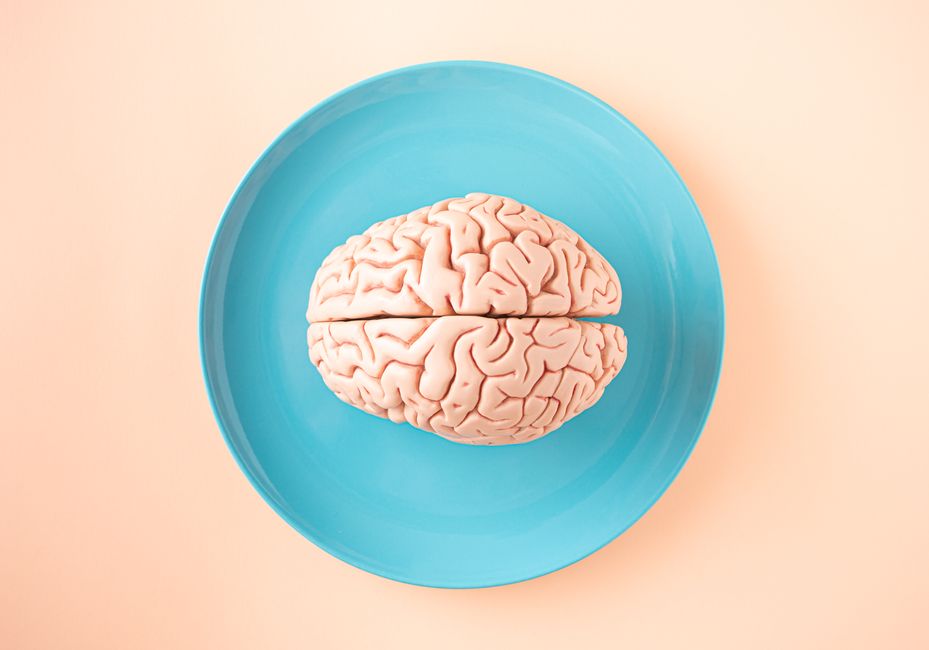
Eight weeks. That is how long a structured mindfulness programme needs to run before researchers can detect measurable changes in brain structure using MRI. A 2011 study out of Harvard Medical School, still widely cited in clinical settings, found that participants who completed an eight-week Mindfulness-Based Stress Reduction course showed increased cortical thickness in the hippocampus — the region governing learning and emotional regulation — and a reduction in grey matter density in the amygdala, the brain's alarm system. The anxiety dial, in other words, turned down.
That finding landed over a decade ago, but it matters more right now than it perhaps ever has. NHS waiting lists for talking therapies in England stretched to around 1.6 million people as of early 2026, according to NHS England data. GP surgeries across London — already managing surging demand — are increasingly pointing patients toward self-managed interventions while they wait. Mindfulness sits near the top of that list, and the neuroscience behind it is finally robust enough to justify the referral.
The brain changes associated with regular meditation fall into two broad categories: structural and functional. Structurally, long-term meditators show greater volume in the prefrontal cortex, the seat of executive decision-making and impulse control. Functionally, studies using fMRI show that meditation quiets the default mode network — the web of regions that fires up when the mind wanders into rumination, self-criticism, and catastrophising. Essentially, the mental loop that keeps replaying the awkward thing you said at a dinner party in 2019 becomes less dominant.
The mechanism involves neuroplasticity: the brain's capacity to rewire itself through repeated experience. Every time a meditator notices a thought arising and deliberately returns attention to the breath or a body sensation, they are practising a cognitive skill. Do it enough, and the neural pathways supporting that skill strengthen — much like the motor cortex thickens in the hand-dominant hemisphere of string musicians who practise daily.
Cortisol also enters the picture. Chronic psychological stress elevates baseline cortisol levels, which over time damages hippocampal neurons. Several randomised controlled trials, including a 2013 paper published in the journal Health Psychology, found that mindfulness practice was associated with steeper cortisol awakening response patterns — a physiological marker of healthier stress regulation. The body, not just the mind, appears to respond.
The Bethlem Royal Hospital in Beckenham — part of the South London and Maudsley NHS Foundation Trust — has embedded Mindfulness-Based Cognitive Therapy into its clinical depression protocols since 2015. MBCT, developed jointly by researchers at the University of Oxford and the University of Cambridge, is now recommended by NICE for people with recurrent depression. Three or more previous depressive episodes is the threshold that typically qualifies a patient for an NHS-funded course.
Outside the clinical setting, the Mindfulness Project on Charlotte Street in Fitzrovia runs eight-week MBSR courses starting at £350, with a sliding scale available. The Islington-based organisation Mind in the City, Hackney and Waltham Forest offers free mindfulness sessions as part of its community wellbeing programme — no GP referral required, just a self-referral form online. Attendance at those sessions rose by 34 percent between January and June 2026, according to the organisation's mid-year internal figures.
Hyde Park and Regent's Park, meanwhile, have hosted Royal Parks-sanctioned guided meditation walks on Saturday mornings since April 2026, piggybacking on infrastructure originally built for the Parkrun community. They are free, they run to 45 minutes, and they fill up within hours of being posted online.
The practical upshot for anyone curious but uncertain where to begin: start small and track it. Neuroscientists generally agree that even ten minutes of daily practice — using apps like Headspace, which has a UK headquarters in Soho, or the NHS-approved Every Mind Matters programme — produces detectable changes in self-reported stress within four weeks. The brain is not precious about the entry point. It simply responds to repetition. If you are managing a diagnosed condition, speak with your GP before substituting any existing treatment; mindfulness is an adjunct, not a replacement.

Wellness

Wellness

Wellness
Wellness
About this article
Published by The Daily London
Spread the word
Daily brief
Free, in your inbox before 7am. Weekdays.
Before you go
The day's London news in a 2-minute read. Free, weekday mornings.