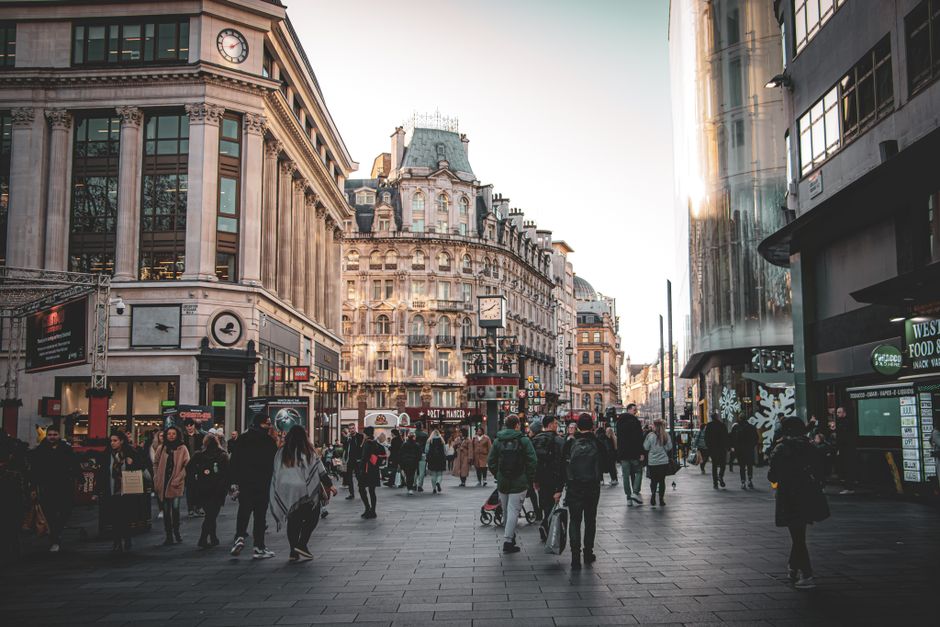
Yoga studio memberships in London rose by 23 percent between 2023 and 2025, according to leisure industry analysts at Mintel, and the city now hosts more than 400 dedicated yoga venues across its 33 boroughs. The growth hasn't slowed. With NHS GP waiting lists still stretching to three weeks or more for non-urgent appointments, Londoners are increasingly turning to movement-based mindfulness practices to manage stress, poor sleep and low-grade anxiety before they ever reach a doctor's door.
That pressure on primary care, combined with post-pandemic habits that rewired how Londoners spend their leisure hours, has created fertile ground for a practice that can look radically different depending on which class you walk into. Choosing the wrong style — showing up to an advanced Ashtanga class when you wanted something calming, or sitting in a slow Yin session when your body craves intensity — is one of the most common reasons people abandon yoga within the first month. Understanding what each discipline actually demands, physically and mentally, is the difference between a lasting habit and an expensive mat gathering dust under the bed.
The Main Styles, Stripped Back
Hatha is where most beginners should start. Classes move slowly, holding individual poses for several breaths, which gives the nervous system time to settle. Triyoga, with studios in Camden and Chelsea's King's Road, runs dedicated Hatha foundations courses for £18 per drop-in session. It suits shift workers, parents of young children, or anyone who genuinely hasn't exercised in months.
Vinyasa links breath to movement in continuous flowing sequences. Heart rates climb. This is the style you'll find packed into lunch-hour slots at offices along Canary Wharf and in the railway arches near London Bridge. Expect to sweat. It suits people who already have some baseline fitness and who find sitting still in meditation maddening — the movement gives the mind something concrete to follow.
Ashtanga is a fixed series of postures practised in the same order every time, originally codified in Mysore, India. The Ashtanga Yoga London shala in Highbury fields a dedicated Mysore-style programme six mornings a week from 6.30am. It demands significant commitment and physical strength. Runners and cyclists who want structure tend to take to it quickly.
Bikram and hot yoga are practised in rooms heated to 37–40 degrees Celsius. Fierce Grace in Brixton and BXR London in Marylebone both run hot formats. The heat loosens connective tissue, which can deepen flexibility, but it's unsuitable for anyone with cardiovascular conditions — check with your GP first if you have any doubt.
Yin yoga holds passive floor-based postures for three to five minutes at a time, targeting the fascia and deep connective tissues rather than the muscles. It looks easy. It isn't. The extended holds become a genuine test of mental endurance. Yin classes at Re:Mind Studio on Duke Street in Marylebone regularly sell out on Friday evenings — a sign of how many Londoners are arriving at the weekend carrying a week's worth of accumulated tension.
Restorative yoga uses bolsters, blankets and blocks to support the body completely. Nothing is effortful. It's clinical in its gentleness, recommended by physiotherapists and used in several NHS mental health programmes as an adjunct to talking therapies. Good Vibes Yoga in Stoke Newington runs a restorative Sunday morning class for £14.
How to Choose Without Wasting Your Money
Most London studios now offer introductory passes — typically four classes for £40 to £50 — which makes trialling two or three styles in a fortnight genuinely affordable. ClassPass, which operates across more than 200 London venues, allows the same flexibility without committing to one studio's schedule.
The practical rule is this: match your nervous system, not your aspirations. If your week is chaotic and your sleep is broken, aggressive dynamic practices will add physiological stress rather than relieve it. Start slower than you think you need to. The intensity can always be added later.
For Londoners already active through Parkrun at Hampstead Heath or cycling the CS3 superhighway along the Embankment, Vinyasa or Ashtanga tends to integrate naturally. For those starting from scratch, Hatha or Yin provides a foundation that actually sticks. Either way, a single trial class costs less than a round of drinks — and the evidence for yoga's effect on cortisol levels, sleep quality and anxiety scores has only grown stronger since the NHS began funding mindfulness-based programmes through its Talking Therapies service in 2023. Consult your GP if you have existing musculoskeletal or cardiovascular conditions before beginning any new physical practice.