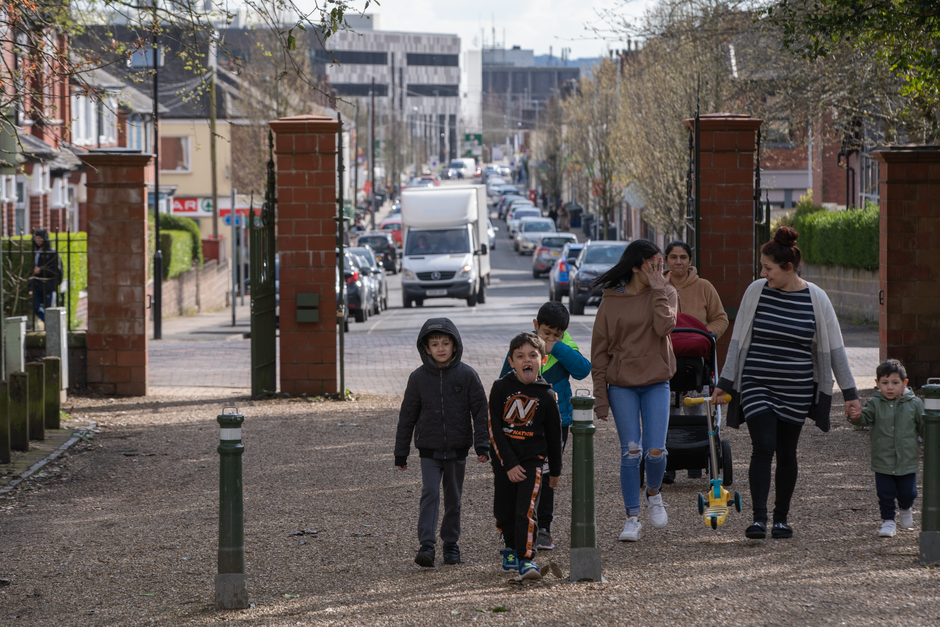
Thousands of Londoners are lacing up this summer as the city's community fitness scene enters its busiest stretch of the year. July and August typically account for nearly 40 percent of annual outdoor event registrations across the Royal Parks network, and 2026 is tracking ahead of that figure, with several high-profile charity walks and fun runs either already sold out or filling fast.
The timing matters. NHS data published earlier this year showed that fewer than 60 percent of adults in Greater London meet the weekly 150-minute moderate activity target recommended by the Chief Medical Officers — a number that has barely shifted since 2019. Public health researchers at King's College London have argued that peer-supported, event-based exercise is one of the few interventions consistently shown to pull habitual non-exercisers off the sofa. Put simply: people who sign up for a charity 5K with a friend are far more likely to actually run it than those who make private resolutions about the gym.
What's On and Where
Parkrun remains the backbone of the weekend fitness calendar. Every Saturday at 9am, free timed 5K runs kick off at more than 30 London locations — Bushy Park in Teddington, the original Parkrun site from 2004, regularly draws 600 to 900 participants. Victoria Park in Hackney and Southwark Park in Bermondsey both have waiting lists for volunteer slots, a reliable indicator of how embedded these events have become in east and south London communities.
For something with a fundraising angle, Cancer Research UK's Race for Life series returns to Regent's Park on 19 July with both 5K and 10K distances available. Entry costs £17.99 for adults who register by midnight on 10 July, rising to £22.99 after that. The event has raised more than £950 million cumulatively since its launch in 1994 and typically draws around 3,000 participants to the Regent's Park leg alone. The Outer Circle road around the park provides a largely flat, closed course — genuinely accessible for first-timers.
British Heart Foundation's London to Brighton Challenge — a 100km overnight walk — departs from Clapham Common on 8 August. It is not a race; the point is to finish, and organisers report that roughly 65 percent of participants have never attempted an ultra-distance event before. Registration costs £39 plus a minimum £195 in fundraising pledges. The BHF has also added a shorter 25km family-friendly option starting from Crystal Palace Park for those who want to walk with children.
Further east, the Hackney Half Marathon organisation is hosting a free community health walk along the Regent's Canal towpath on 26 July, starting from Broadway Market at 10am. No registration is required; the route runs approximately 8km to Victoria Park and back. It is the third such walk the group has organised this year as part of an NHS-funded active travel pilot scheme targeting residents in the E8 and E9 postcode areas.
Making the Most of It
The cycling superhighways deserve a mention for those who prefer two wheels. Cycling UK is running a series of guided group rides throughout July along Cycleway 3, which runs from Wapping to Wood Wharf in Canary Wharf. The rides are free, helmet-friendly, and capped at 25 participants to keep the pace genuinely social rather than competitive. Dates are listed on the Cycling UK London chapter page.
If you are new to group exercise or returning after a long gap, the advice from fitness professionals is consistent: start with a free, lower-stakes event like Parkrun or the Hackney canal walk before committing to something with a fundraising minimum or a training plan attached. Most London fun runs and charity events offer deferrals if you register early and circumstances change — check the individual terms before paying.
As ever, anyone with an existing health condition or those who have been inactive for more than six months should speak to their GP before starting a new exercise programme. Most surgeries in London now offer a self-referral exercise referral scheme, though waiting times vary by borough. Westminster and Lambeth both have relatively short referral queues at present, according to NHS England's most recent published data from April 2026.