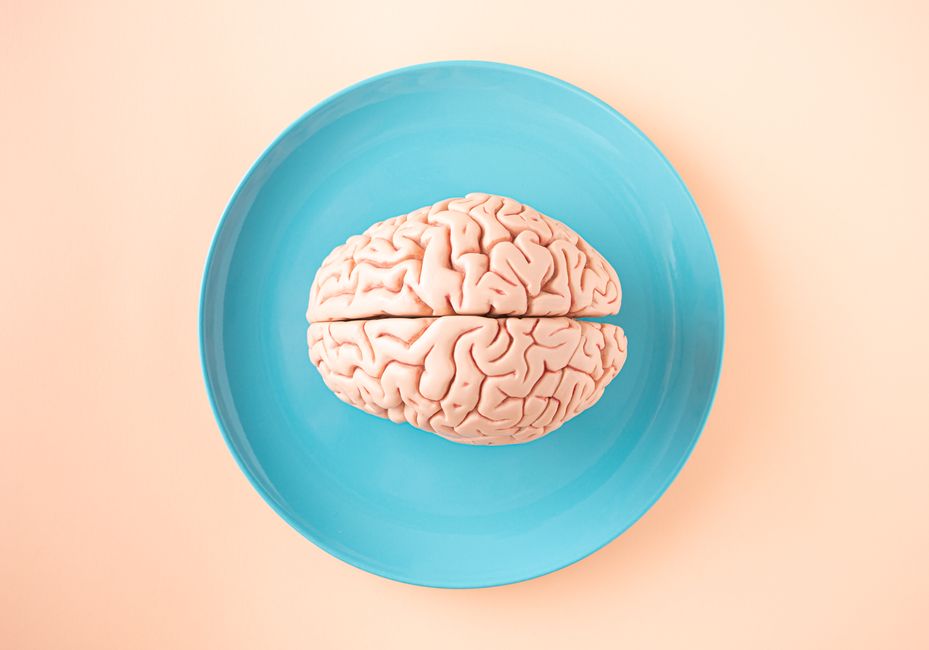
MRI scans at King’s College London are showing that a simple daily mindfulness practice can actually reshape the brain—thickening grey matter in regions responsible for emotional regulation while dialing down activity in stress-related areas. This is not just self-care hype: neuroscientists say eight weeks of regular meditation leads to detectable physical changes in brain structure, making mindfulness a measurable tool for Londoners dealing with anxiety, burnout or the daily crush of city life.
The mental health stakes in the capital are high. NHS reports have shown a post-pandemic surge in stress and depression diagnoses, and nearly one in four London adults said they felt "constantly under strain" in last year’s Office for National Statistics survey. Easy access to apps and group sessions in the city’s parks and health centres, coupled with mounting research, are fuelling mindfulness’s rise.
Cranial Calm: Local Programmes and Spaces
London’s appetite for scientifically backed self-care is clear along the banks of the Serpentine, where the weekly Mindful Walks in Hyde Park attract more than 100 participants during peak summer days. Meanwhile, St Christopher’s Place in Marylebone hosts in-person, science-driven meditation classes from Headspace Studios for £18 a session. Even the Royal Brompton Hospital in Chelsea has introduced guided audio mindfulness sessions for cardiac rehab patients, citing research showing meditation may improve both mental outlook and heart health outcomes.
Katie Breckenridge, programme coordinator at London Mindfulness Project on North Audley Street, says sign-ups for their eight-week Mindfulness-Based Cognitive Therapy (MBCT) course have doubled since 2022, largely driven by corporate clients from City law firms and anxious students from University College London. “Demand is up because people want evidence. They’re coming in citing clinical trials they’ve read about online," she explains.
What the Research Says—And What’s Next
A 2025 study from Imperial College researchers found that participants who practiced mindfulness meditation for just 10 minutes a day over two months showed a 4% increase in hippocampal volume on MRI scans—a region vital for memory and learning. At the same time, fMRI imaging at King’s College revealed that seasoned meditators had reduced activity in the amygdala, the brain’s fear response centre, correlating with lower self-reported anxiety scores. Locally, the NHS now covers mindfulness-based stress reduction classes for eligible patients with depression or chronic pain at dozens of clinics, including Guy’s Hospital and the Maudsley in Denmark Hill.
For Londoners interested in getting started, drop-in sessions are held Saturday mornings at Regent’s Park Bandstand (£5 suggested donation), and dozens of guided mindfulness recordings developed by UCL researchers are free to stream via the Good Thinking digital service. It’s wise to consult a GP before starting any therapy, especially for those with existing mental health conditions.
Meditation may not solve every problem facing London’s frazzled, but the science stacks up: with regular practice, the brain really can change—and local resources make those changes more accessible, one mindful breath at a time.