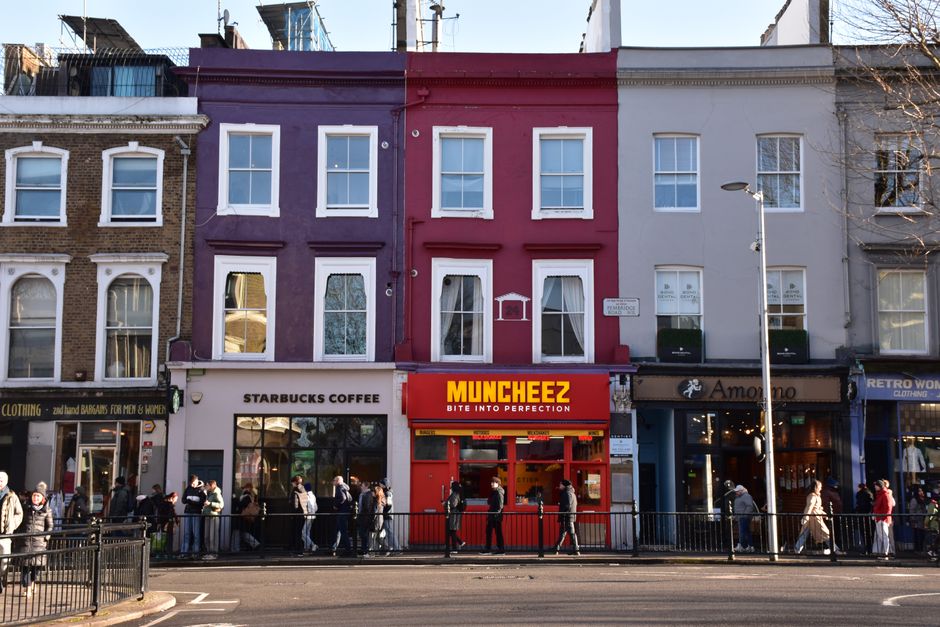
Walking down Brick Lane or browsing the independent retailers around Borough Market, you might have noticed something shifting in London's hospitality ecosystem. The industry is quietly recalibrating, and residents need to understand what's driving these changes—because they'll directly affect where you eat, what you pay, and which beloved local spots survive.
Labour costs remain the primary headwind. The hospitality sector in London employs roughly 360,000 people, with wages now constituting 30-35% of operating costs for most establishments. Combined with business rates that disproportionately burden smaller operators in premium areas like Covent Garden and Soho, margins have compressed dramatically. A mid-range restaurant in central London now requires average covers of 120-150 customers daily just to break even—a figure that seemed manageable five years ago but feels increasingly precarious.
Supply chain volatility continues to bite. Food inflation has moderated from 2023 peaks, but protein costs remain elevated. Independent restaurants in Shoreditch and Hackney report that their average food cost percentage has risen from 28% to 32%, forcing difficult choices about menu pricing or quality. Your £16 burger isn't inflated caprice; it reflects genuine operational reality.
What's genuinely new is consumer behaviour fragmentation. Delivery platforms have fundamentally altered how Londoners eat. Apps now account for roughly 40% of food service transactions in postcode areas like E1 and SW1, compared to 25% nationally. This matters because restaurants optimising for delivery operate differently—menu simplicity, packaging efficiency, and location proximity to demand centres matter more than ambience. The casual dining middle ground, which thrived on walk-in traffic and dine-in experience, faces genuine pressure.
For retail, the picture is similarly complex. High street footfall across central London is estimated at 15-20% below 2019 levels, even as online shopping has normalized. Traditional department stores and clothing retailers are adapting through experiential offerings and integrated omnichannel models, but smaller independent shops struggle with the fundamental math of physical retail.
What should residents understand? First, premium pricing isn't going away—operational costs won't decline. Second, consolidation is inevitable; expect fewer but potentially better-resourced establishments. Third, hybrid models—delivery kitchens, pop-ups, collaborative spaces—will proliferate across London's neighbourhoods as operators seek efficiencies.
The London hospitality industry isn't in crisis, but it's in transition. Supporting local venues, understanding their constraints, and accepting that pricing reflects genuine costs rather than greed will help preserve the diverse food and retail culture that defines this city.
This article was compiled by AI from the sources linked above and screened before publishing. See our editorial standards.