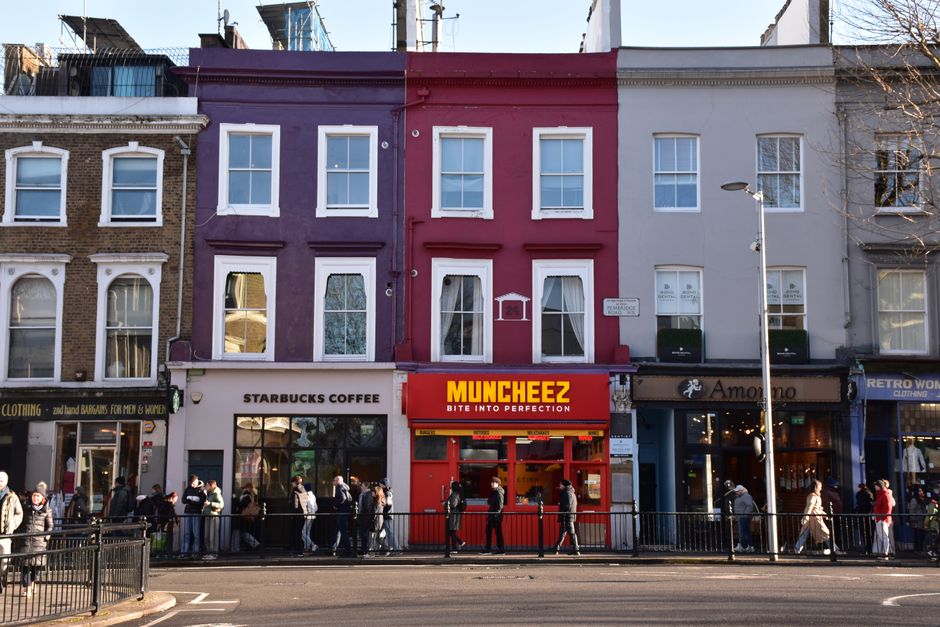
What London diners and shoppers need to know about rising food and hospitality costs this summer
As inflation pressures persist across the sector, venues from Borough Market to the West End are making strategic changes that will affect your wallet and dining choices.
This article was generated by AI from the linked public sources. The Daily London is independently owned and covers London news free from advertiser or sponsor influence. Read our editorial standards →
London's restaurant and retail landscape is undergoing a quiet but significant shift as hospitality venues grapple with persistent cost pressures heading into the second half of 2026. For everyday residents and visitors, understanding these changes is crucial before you next head to Covent Garden, Soho, or your local high street.
Energy costs remain elevated across the capital's 15,000-plus hospitality venues, forcing many to recalibrate menus and pricing strategies. The British Retail Consortium reported that food inflation has moderated from pandemic peaks, but London establishments—facing premium rent on Oxford Street, Bond Street, and Southbank—continue passing costs to consumers. Expect main courses in central London to have risen 8-12% since early 2025, with neighbourhood venues experiencing more modest 4-6% increases.
Borough Market and similar food destinations have become focal points for changing consumer behaviour. Footfall patterns show diners increasingly opting for lunch over dinner service, where pricing pressure is less acute. Meanwhile, independent operators from Brixton to Islington are diversifying revenue streams—takeaway options, meal kits, and 'food hall' models supplement traditional table service, allowing them to manage labour costs more flexibly.
Staff retention remains acute. London hospitality has struggled to fill vacancies since 2023, with wages for experienced chefs and front-of-house staff rising 15-18% annually. This directly impacts your service experience: fewer staff means longer waits during peak hours and reduced availability for bookings at popular venues. Many West End restaurants now operate split seatings or restricted opening hours to match staffing capacity.
Retail food continues consolidating. Convenience shopping on the King's Road and around major transport hubs shows customers trading down—premium products declining in favour of value lines and own-brand options. Department store food halls, once profit drivers, now serve primarily as destination attractions rather than primary revenue sources.
What this means for residents: book further ahead if you want peak dining times; expect premium pricing in central zones; embrace neighbourhood venues where better value persists; and prepare for reduced choice during quieter trading periods. High street grocers remain competitive, particularly in outer London boroughs where rent pressures ease. The sector isn't in crisis, but it's operating differently. Understanding these dynamics helps you navigate both budget and experience expectations across London's dining and shopping ecosystem.
This article was compiled by AI from the sources linked above and screened before publishing. See our editorial standards.
Covering business in London. This article was generated by AI from the linked sources and was not reviewed by a human editor before publishing. See our editorial standards.