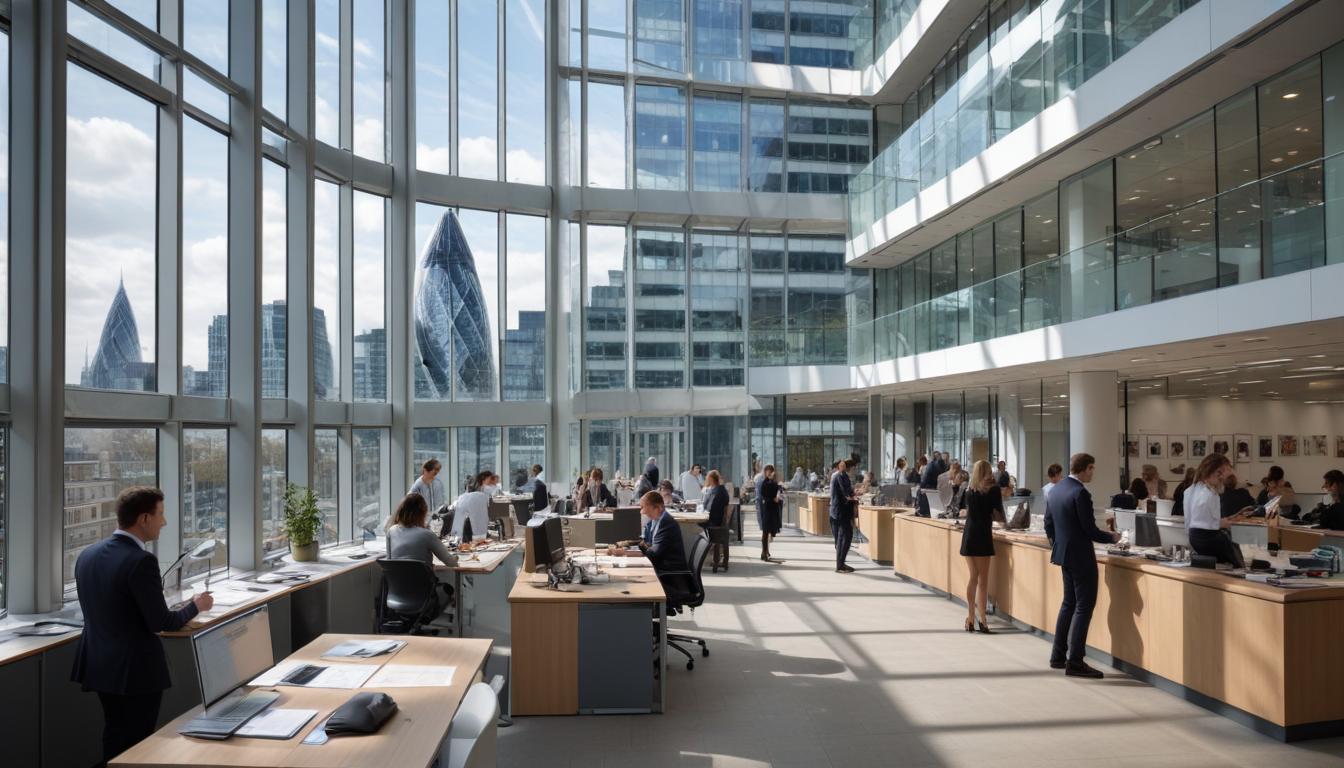
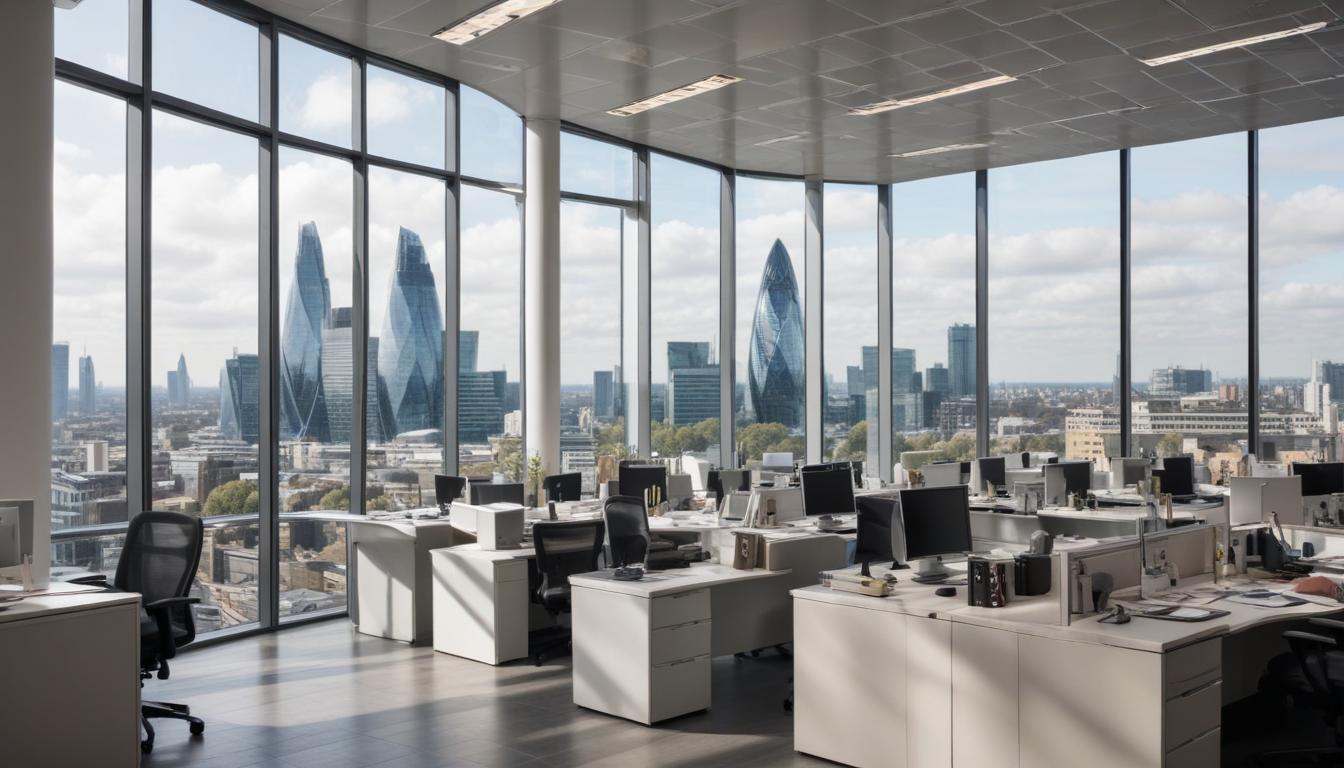
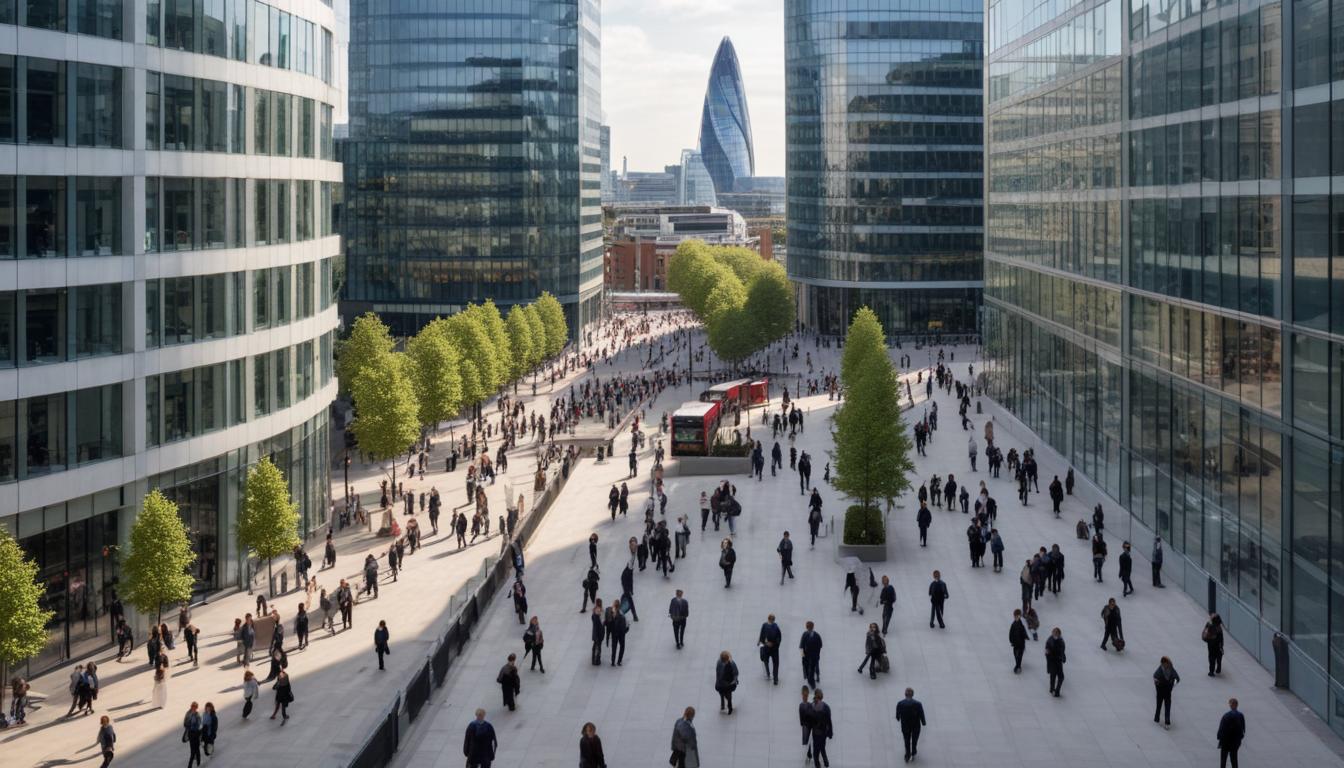
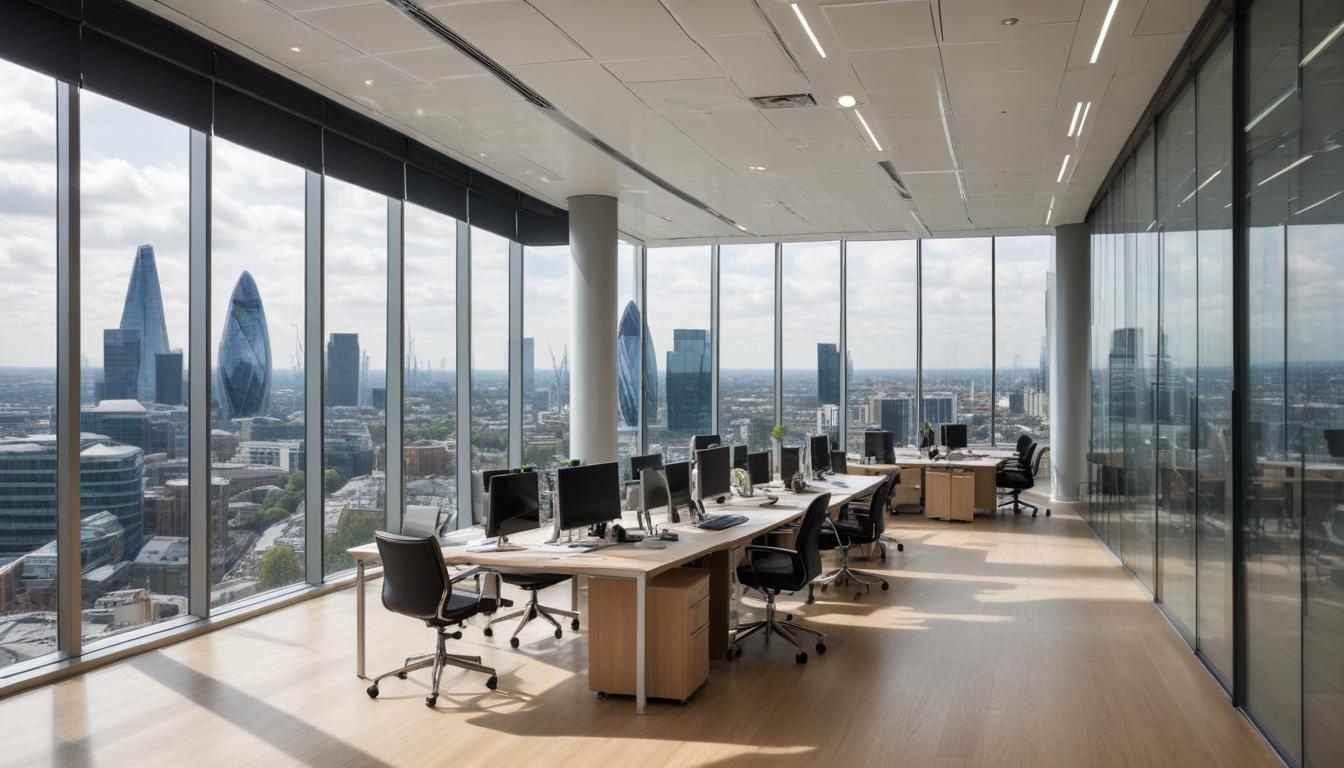
The death of the London office has been greatly exaggerated. While headlines about remote work and empty towers have dominated business coverage for three years, a quieter story is unfolding across the capital: selective demand is returning, and those who positioned themselves during the downturn are now reaping significant rewards.
The transformation is most visible in traditionally overlooked areas. In Elephant and Castle, where office vacancy rates peaked at 18 per cent in 2023, occupancy has tightened to just 11 per cent. Rents have climbed 12 per cent year-on-year, with Grade A space now commanding £32 per square foot—a figure many developers locked in at £18 only 36 months ago. Similar patterns are emerging in Stratford, where Google's expanded campus and incoming tech firms have catalysed fresh interest in surrounding office blocks.
The City, traditionally London's office heartland, remains under pressure. But the narrative there masks pockets of genuine opportunity. Increasingly, occupiers are consolidating into premium-positioned buildings rather than spreading risk across multiple leases. This has benefited landlords of well-maintained, sustainably-certified properties with strong transport links. Blocks near Moorgate and along Cheapside—where refurbishment costs were absorbed early—are now seeing strong tenant competition.
What's driving the shift? Three converging forces. First, the flight from major hubs to hybrid-friendly suburbs has stabilised; companies realise they need strategic office presence for collaboration and culture. Second, the cost of retrofitting older stock to meet new environmental standards has made modern, efficient buildings genuinely scarce. Third, prime London office space is now pricing competitively against European alternatives like Paris or Amsterdam, attracting international capital.
Real estate investment trusts and family offices who accumulated distressed assets in 2023 and 2024 are the principal beneficiaries. Institutional investors, meanwhile, remain cautious, creating a valuation gap that smaller operators are exploiting. Property management firms report genuine uptake in demand for brokerage services, particularly in Fitzrovia, King's Cross, and the emerging tech corridor around Shoreditch.
The recovery is unevenly distributed. Secondary locations with weak connectivity remain challenged, and properties requiring substantial capital investment continue to struggle. But for those who read the market correctly—understanding which neighbourhoods offered genuine structural advantages and which were simply cheap—the London office story is proving less one of terminal decline and more one of necessary consolidation.
The next 18 months will prove decisive. Interest rate movements and corporate cost-cutting will test whether this recovery is genuine or merely a rebound. What's certain is that, after years of pessimism, opportunity has returned to London's office market. The question now is whether late arrivals can still find it.
This article was compiled by AI from the sources linked above and screened before publishing. See our editorial standards.