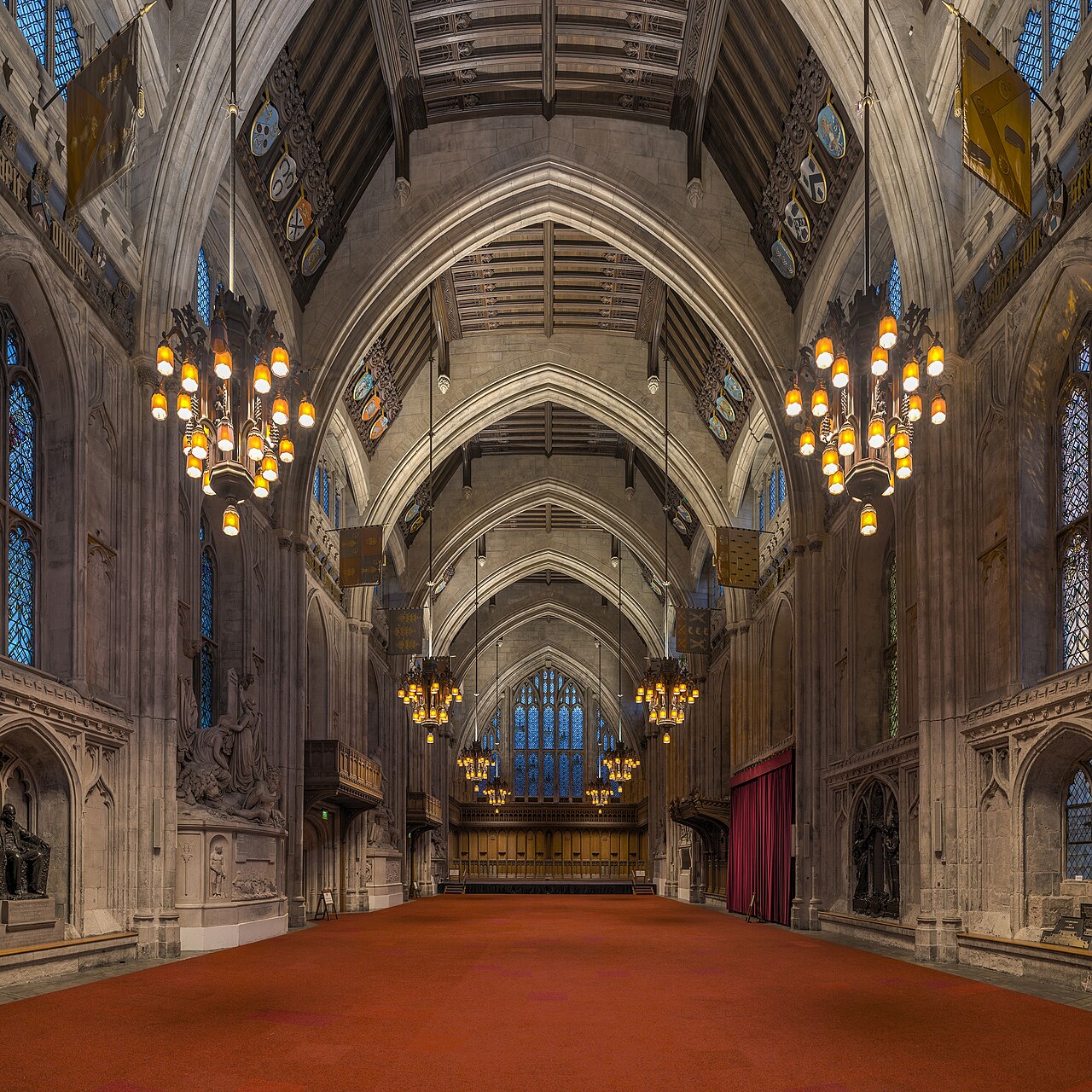
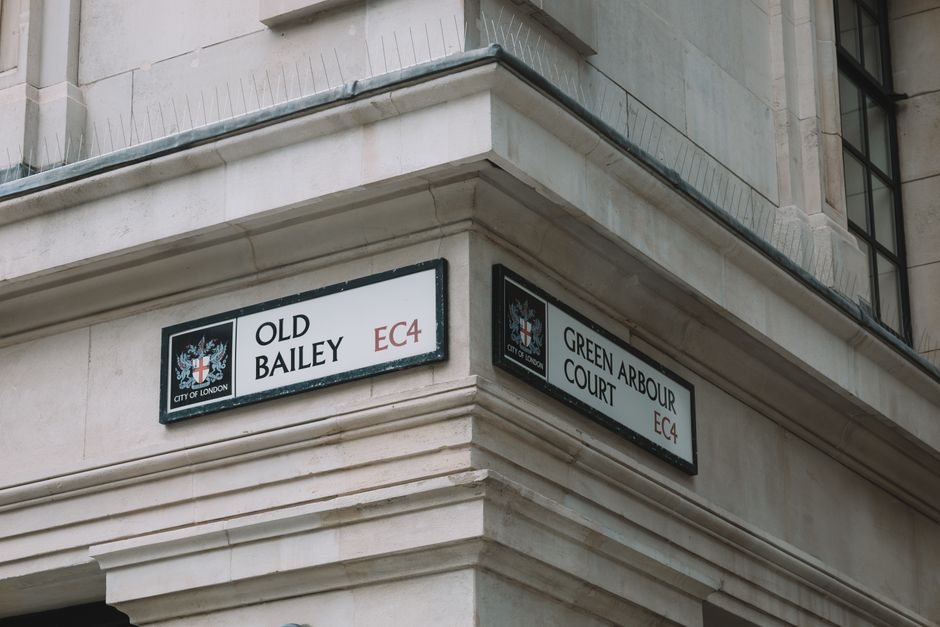
The Old Bailey's newest courtroom, fitted with video links and modern security systems, opened its doors to the public in early 2025 after a £15 million refurbishment. The expansion came as the Central Criminal Court prepared for one of its busiest years on record, with 847 cases reaching trial stage-a 23 percent increase from 2023, court records show.
The pressure reflects a broader strain on London's entire criminal justice system. The Crown Prosecution Service has struggled to process cases at speed, with the average wait between charge and trial verdict now stretching to 18 months at the Old Bailey, compared to 14 months five years ago. Judges and prosecutors say the backlog stems from underfunding, staff shortages, and the complexity of modern cases involving digital evidence and international crime elements.
The sheer volume of cases has forced the court to operate across all its traditional courtrooms plus the recently expanded facilities. Court staff estimate that without the new space, trial dates would have slipped further into 2027. The Metropolitan Police Service and the Crown Prosecution Service both pressed for the expansion for years, citing the need to clear London's criminal docket more efficiently.
Local solicitors and barristers based in the nearby Temple district report longer waiting times for preliminary hearings. The Law Society of England and Wales has called for additional funding to prevent further delays, warning that justice delayed becomes justice denied for victims waiting for cases to conclude.
System under strain amid record demand
Statistics paint a stark picture. Between January and May 2026, the Old Bailey received 312 new cases-a pace that, if sustained, would result in more than 750 cases filed annually. The court currently manages about 40 trials simultaneously, with judges rotating through five permanent courtrooms and the new auxiliary space.
The volume extends beyond headline-grabbing cases. Most trials involve domestic violence, theft, assault, and drug possession charges that consume court time equally. Victims' services coordinators at the Victim Support organisation, which operates from offices near Victoria Embankment, report that people waiting months for their cases to reach trial often suffer renewed trauma.
The Bar Council has expressed concerns about junior barristers taking on enormous workloads to meet demand. A junior barrister at a City practice said on condition of anonymity that courtroom appearance schedules have become impossible to predict, with some days involving three separate cases across different courts across London.
For anyone with business at the Old Bailey, preparation now requires extra buffer time. The court's own guidance, updated in June, advises allowing two additional weeks beyond official trial dates for potential delays. Parking around Newgate Street remains scarce, with daily rates at nearby commercial car parks reaching £45 for all-day rates. Public transport via St Paul's tube station remains the most reliable option, though Northern and Circle Line delays occasionally affect witness and legal team attendance.
The court administration is currently recruiting additional administrative staff and exploring digital case management systems to accelerate processing. Results from a pilot program tracking digital documents rather than paper files are expected in September. Until those improvements take hold, anyone involved in a trial at the Old Bailey should expect longer waits and more court postponements.
This article was compiled by AI and screened before publishing. See our editorial standards.